
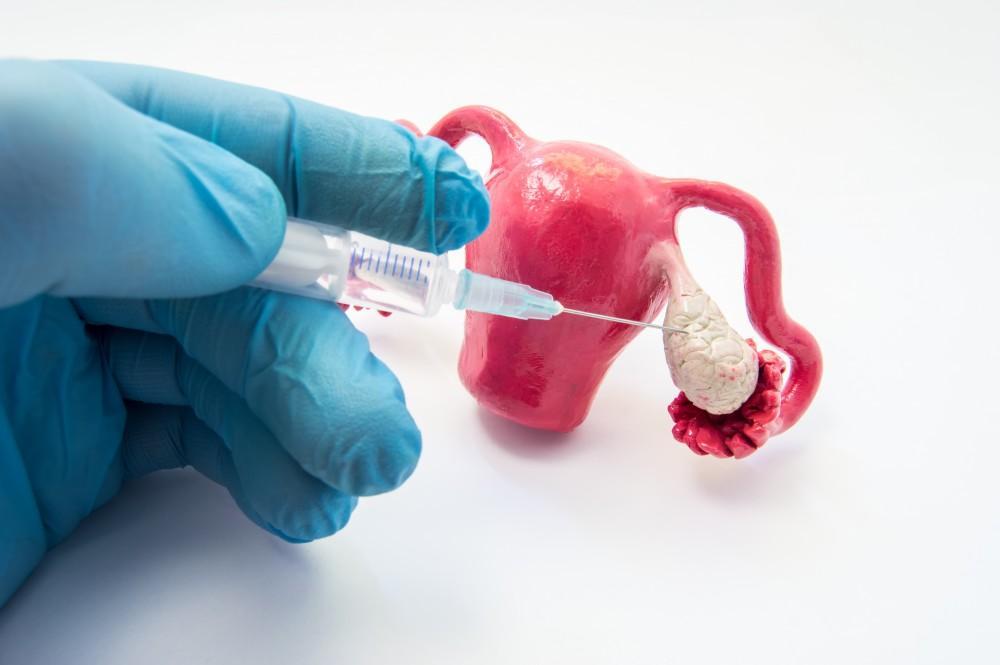
In vitro fertilization (IVF) is a process where an egg is combined with sperm outside the body. This process involves monitoring a person’s ovulation, removing an egg or eggs, and allowing sperm to fertilize them in a laboratory. Following fertilization, the embryo is transferred to the uterus. The period after embryo transfer, often called the “two-week wait,” is a critical time when specific developmental milestones may occur; understanding this timeline can provide clarity during a sensitive period.
Days 1-5 After Embryo Transfer
The first few days after embryo transfer in IVF are when the embryo begins to interact with the uterine environment. On the first day, the blastocyst starts to hatch from its shell. Over the next few days, it continues this process and begins to attach itself to the uterine lining. This attachment is a significant step for implantation to proceed. By day five, the embryo should be starting the process of implantation, embedding itself more deeply into the uterine wall, and the cells that will eventually form the placenta and the fetus begin to develop and multiply. During this time, it is common for individuals to be advised to continue their prescribed medications and avoid strenuous activities.
Days 6-9
This period is critical for the progression of implantation. The embryo continues to burrow deeper into the uterine lining, working to establish a secure connection. This bond will create the pathway for nutrient and hormone exchange between the embryo and your body. As implantation progresses, your body begins to produce human chorionic gonadotropin (hCG). This is the hormone that pregnancy tests are designed to detect. The presence of hCG signals your body to maintain the conditions necessary to support the pregnancy, and hormone levels will start to rise steadily. Some people may notice light spotting or mild cramping at this stage, which is often normal during implantation. It is also common not to notice any physical changes at all. Both experiences are considered normal during this stage of the process, and the absence of symptoms is not a cause for concern.
Days 10-14
During the final days of the two-week wait, implantation is typically complete, and hCG levels continue to increase. This hormone circulates throughout the body and can be detected in both blood and urine. A blood test administered at a clinic is the most accurate method for confirming a pregnancy because it can measure the exact amount of hCG. The wait can be emotionally challenging, so finding supportive ways to manage this time is helpful. By day 14, enough time has passed for hCG levels to be reliably detected, leading up to the scheduled pregnancy test. This test provides a definitive result regarding the outcome of the IVF cycle.
Ask a Specialist About IVF Today
The IVF process involves several detailed stages, and each person’s experience is unique. If you have questions about the procedure or what to expect after an embryo transfer, consulting with a fertility specialist is an advisable step. A specialist can offer personalized information based on your specific health circumstances. They can explain the process, review your medical history, and provide guidance tailored to your situation. Seeking professional medical advice helps you obtain accurate and relevant information.
