
Early awareness is one of the most fundamental tools in cancer care. Colorectal cancer often develops gradually, beginning with abnormal growths in the colon or rectum that may change over time and eventually become malignant. Understanding how colorectal cancer progresses and why screening matters can help individuals recognize risk factors and take preventive steps. Here’s an overview of the standard progression of colorectal cancer:
Tracing Lining Changes
The lining of the colon and rectum is where colorectal cancer generally originates. The body constantly produces new cells to replace old ones in this lining, but this process sometimes goes wrong. Cells in this lining may grow abnormally and form a small clump of tissue known as a polyp. Most of these growths are benign, meaning and will not spread to other parts of the body.
Some types of polyps can change into cancer over time if they are not removed during a screening. The transition from a normal cell to a potentially malignant polyp occurs gradually, creating an opportunity for doctors to intervene before the disease progresses. Regular screenings enable physicians to detect these growths within the large intestine.
Tracking Cancer Transition
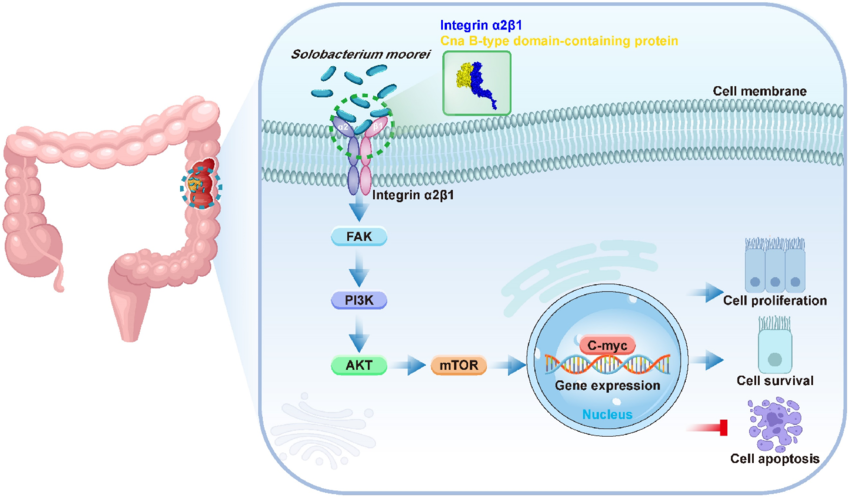
Not every polyp turns into cancer, but a series of biological changes can trigger the development of colorectal cancer in some growths. Genetic mutations in the cells of the polyps cause them to reproduce rapidly and behave differently from healthy cells. The following occurs:
- The cells within the polyp appear abnormal under a microscope compared with the surrounding healthy tissues.
- These abnormal cells begin to proliferate into the deeper layers of the colon or rectal wall.
- The tumor eventually invades blood vessels or lymph vessels located near the colon wall.
This transition marks the shift from a benign condition to a malignant one that requires immediate medical attention.
Following Stage Progression
Doctors use a standard staging system to describe how far colorectal cancer has spread within the body. Here are the stages of colorectal carcinoma:
- Stage 0 involves abnormal cells found only in the innermost lining of the colon and not yet invasive.
- Stage I occurs when the cancer has grown into the wall of the colon but has not spread beyond the muscular layer.
- Stage II means the cancer has grown through the wall of the colon but has not yet reached the nearby lymph nodes.
- Stage III indicates the cancer has spread to nearby lymph nodes but has not moved to other parts of the body.
- Stage IV is the most advanced stage, where cancer has spread to distant organs like the liver or lungs.
Knowing the stage is fundamental to selecting the appropriate therapy.
Changing Outcomes With Screening
Age is a major factor, as the risk for colorectal cancer increases as you get older. Family history and a personal history of colon polyps or inflammatory bowel disease also play a role in an individual’s risk profile. Lifestyle choices like smoking, a sedentary lifestyle, and obesity can accelerate the risk. Diet is another factor to pay attention to, especially if you consume large amounts of red meat and processed meat. Excessive alcohol use is also linked to a higher chance of developing the disease.
Screening examinations, such as colonoscopies, are beneficial because they interrupt the natural progression of disease. In its early stages, colon cancer usually does not cause symptoms, which makes screening the only way to detect it. During a colonoscopy, a provider can identify unusual polyps and remove them before they turn into cancer. This effectively breaks the chain of progression described above.
Schedule Your Colorectal Cancer Screening
Colorectal cancer is a serious condition, but it is also highly treatable when detected early. Understanding the progression from polyp to cancer highlights the value of preventive care and regular monitoring. Contact a qualified gastroenterologist near you to schedule your screening appointment today.
