
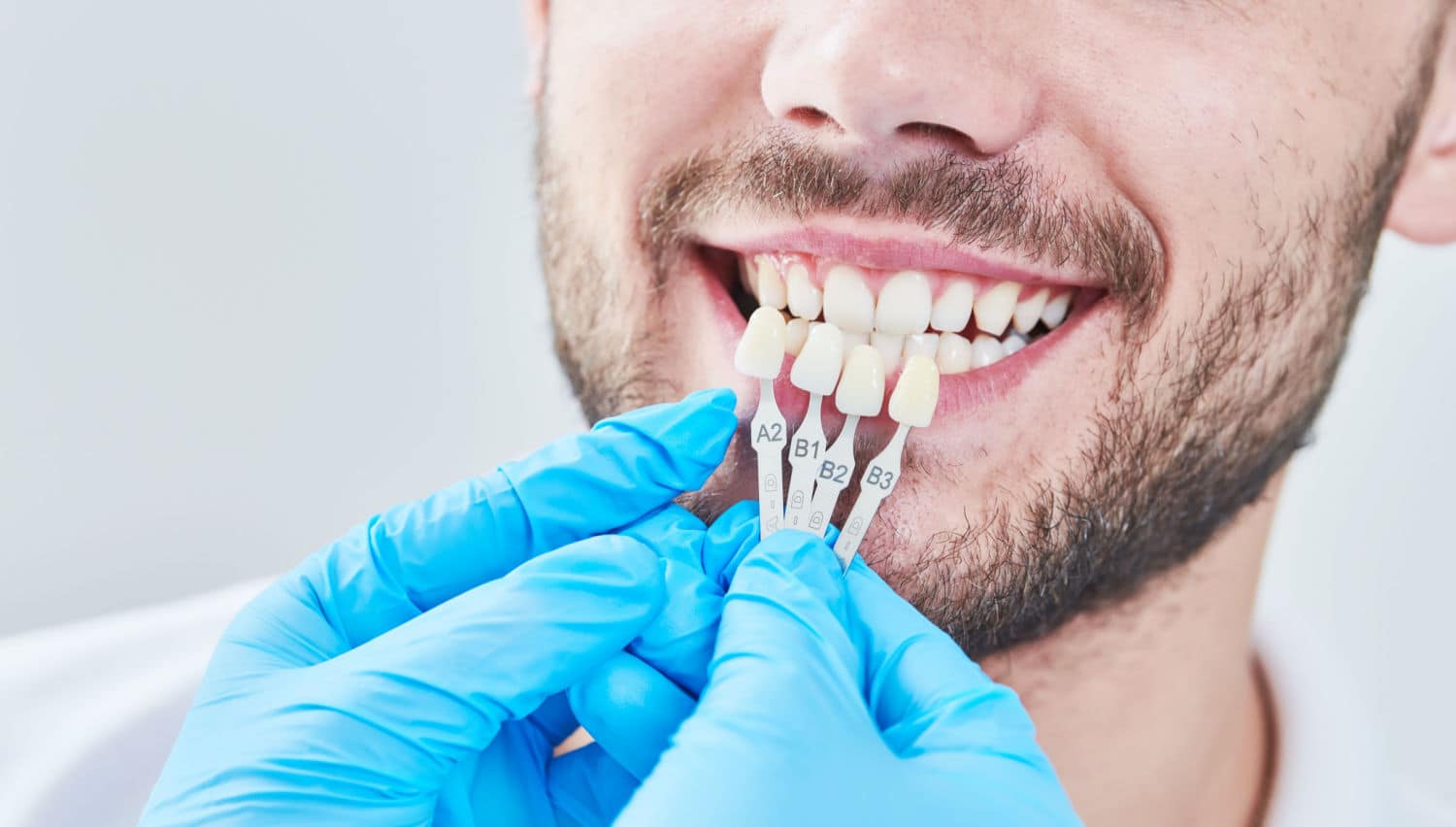
Dental restoration refers to the process of repairing or replacing damaged, decayed, or missing teeth to restore their function and appearance. This field of dentistry encompasses various procedures designed to address different oral health issues. Understanding dental restoration options can help patients make informed decisions about their oral health care.
What Is Dental Restoration?
Dental restoration is a branch of dentistry that focuses on diagnosing, preventing, and treating diseases and disorders of the teeth and their supporting structures. The primary objective is to restore teeth to their original form, function, and appearance. This field addresses both structural damage and cosmetic concerns that affect a patient’s oral health and self-image. Modern materials and techniques allow dentists to create restorations that closely match natural teeth in both appearance and strength.
What Are the Different Techniques?
Dental restoration encompasses several techniques, with dental implants representing an effective solution for missing teeth. Dental implants involve surgically placing a titanium post into the jawbone to serve as an artificial tooth root. This post integrates with the bone through a process called osseointegration, creating a stable foundation for a crown, bridge, or denture.
Other restoration techniques include veneers, which involve placing thin shells over the front surface of teeth to improve their appearance. Crowns cover and protect severely damaged teeth while restoring their shape and function. Bridges replace one or more missing teeth by anchoring artificial teeth to adjacent natural teeth or implants. Dentures, both partial and complete, replace multiple missing teeth and can be supported by natural teeth or implants for improved stability.
What Does the Process Involve?
The process begins with a comprehensive examination and diagnosis. The dentist will evaluate the condition of the teeth using visual inspection, X-rays, and other diagnostic tools. This assessment determines the most appropriate restoration approach for each specific situation.
Treatment planning follows the initial evaluation, during which the dentist will explain the recommended procedures and timeline. For dental implants, this phase may include bone density assessment and 3D imaging to plan precise implant placement. The dentist may also discuss anesthesia options and post-treatment care requirements.
The actual restoration procedure varies depending on the technique selected. Simple fillings can be completed in a single appointment, while complex restorations, such as implants, may require multiple visits over several months. During treatment, the dentist will prepare the affected area, place the restoration materials, and make any necessary adjustments to provide a proper fit.
What Are the Benefits?
Dental restoration offers functional benefits by restoring the ability to chew, speak, and bite properly. Missing or damaged teeth can impact speech patterns and restrict food choices, but restoration procedures effectively address these issues. Properly restored teeth distribute chewing forces evenly, reducing stress on remaining natural teeth.
Aesthetic improvements represent another major advantage of dental restoration. Modern materials and techniques create restorations that blend seamlessly with natural teeth, enhancing the smile and boosting self-image. Long-term oral health benefits include preventing further tooth loss and maintaining proper jaw alignment.
Restore Your Smile Now
Dental restoration offers effective solutions for a range of oral health challenges, from minor cavities to complete tooth loss. The range of available techniques enables dentists to tailor treatment plans to meet the individual needs and preferences of each patient. Schedule a consultation with a qualified dentist to explore your restoration options and develop a treatment plan tailored to your needs.
