
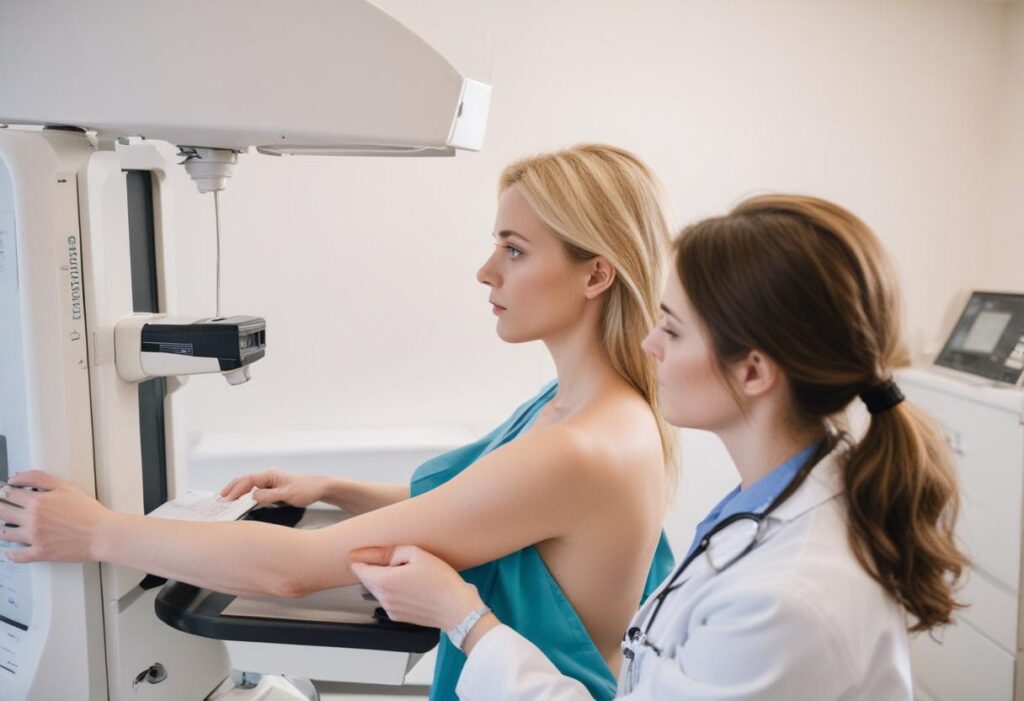
A breast exam is a routine part of preventive care that helps identify changes in breast tissue and supports early detection of potential concerns. Breast screenings can be performed in various ways, including self-checks at home and imaging-based evaluations when needed. Here is an overview of the different types of breast exams:
Building Home Awareness
Breast self-awareness involves paying attention to the breast tissue during daily routines, such as showering or getting dressed. You should verify that there are no new lumps, skin dimpling, or discharge from the nipples. While formal, structured self-exams are less emphasized than in the past, knowing your normal allows you to report changes to a doctor quickly.
It is helpful to know that breast tissue changes throughout the menstrual cycle due to hormonal fluctuations. Recognizing these cyclical patterns prevents unnecessary alarm over normal physiological changes. If a change persists after a cycle ends, you should schedule an appointment with a healthcare provider.
Completing a Clinical Exam
A clinical breast exam is a physical examination performed by a healthcare professional, such as a gynecologist or nurse practitioner. The exam typically takes place during an annual wellness visit or a specific gynecological appointment. The provider will visually inspect the breasts while you sit up to check for differences in size, shape, or symmetry, and will also look for skin changes, such as redness, rashes, or dimpling, that may indicate an underlying issue.
Following the visual inspection, the provider performs a manual palpation of the breast tissue. They will use the pads of their fingers to feel for lumps or thickening in the breast, underarm, and collarbone area; this is done while you are lying down. The exam is thorough, covering the entire area from the collarbone to the bra line and serves as a professional baseline for breast health.
Adding Imaging to Screening
The primary goal of imaging is to detect disease at an early stage, when it is most treatable and before it can be detected by physical examination. Doctors generally recommend a specific breast screening schedule based on a patient’s age and risk factors. A mammogram is a low-dose X-ray of the breast and constitutes the standard screening tool for many women. The machine compresses the breast between two plates to capture images of the tissue. A breast MRI uses magnets and radio waves to take detailed pictures of the breast without radiation. These tests allow doctors to see internal changes that cannot be detected during a physical exam.
Investigating Symptoms
If a screening test reveals an abnormality or if a patient discovers a lump during a self-check, the doctor will order a diagnostic breast exam. These tests provide more detailed images than screening exams, helping the medical team understand the specific nature of the problem. Here are some of the diagnostic breast exams doctors may recommend:
- Diagnostic Mammogram: This procedure is similar to a screening mammogram but focuses on the specific area where a symptom or abnormality was identified to get a clearer view.
- Breast Ultrasound: This technology uses sound waves to create images of the breast’s interior and helps determine whether a lump is a solid mass or a fluid-filled cyst.
- Biopsy: A biopsy is the definitive way to determine if cancer is present, and it involves removing a small sample of breast tissue or fluid to examine it under a microscope.
The detailed information gathered during these exams helps the doctor guide the next steps in treatment or monitoring.
Schedule Your Breast Exam Today
Maintaining breast health requires a combination of self-awareness, routine clinical exams, and appropriate imaging screenings. Staying proactive is fundamental for long-term wellness, whether it involves a routine check-up or addressing a specific concern. Contact a women’s health doctor near you to schedule your breast exam today.
