
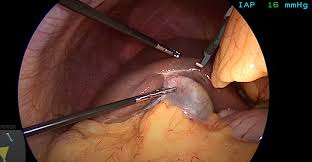
Your gallbladder is a small organ beneath your liver that aids digestion. Sometimes, hard deposits called gallstones form, causing pain or blockage. You may be referred for a gallbladder removal, and this procedure can also be called a cholecystectomy. Since gallstones often return if untreated, removing the gallbladder may be the most effective long-term solution.
Choosing Gallbladder Removal
A cholecystectomy is the surgery for gallbladder removal. Surgeons perform this operation to stop pain, and it can prevent complications that gallstones cause. There are two main ways to do the procedure, but laparoscopic surgery is the most common today. In this method, the surgeon makes a few small incisions and inserts a tiny camera to guide them. Laparoscopic surgery means less pain, a shorter hospital stay, and a quicker recovery than other methods. Open surgery is another option, but doctors may reserve it for more complex cases or patients with prior abdominal surgeries. This approach involves a larger incision, which means a longer recovery and a higher risk of infection.
After the surgery, follow your doctor’s post-operative care instructions for a smooth recovery. You may experience some soreness or discomfort at the incision site, which is typically managed with prescribed medication. Patients are often encouraged to start moving around gently as soon as possible to prevent complications such as blood clots. Dietary adjustments may also be necessary after gallbladder removal. While most people return to their normal diet after recovery, some need to avoid fatty or greasy foods, especially in the initial weeks. Your provider will guide you on lifestyle changes, and they will monitor your progress through follow-up appointments.
Preparing for Your Procedure
Preparation is key to a smooth surgery. Your doctor will likely ask you to stop eating or drinking for a period of time before your arrival. Following these dietary restrictions reduces the risk of anesthesia complications. You may be advised to stop eating after midnight before surgery, and avoid certain drinks like alcohol or caffeine. You may need to adjust your current medications, so discuss all prescriptions with your surgeon. Follow your doctor’s advice closely and ask questions if you are unsure about instructions. They will provide guidance based on your health history, and following these steps reduces surgical risk.
Recovery and Life After Surgery
Most patients return to normal activities after a laparoscopic procedure. You can live a healthy life without a gallbladder, because your liver will take over its job. Your liver produces bile to help digest fats, and it flows into your digestive system rather than being stored. Temporary changes in digestion often resolve as your body adjusts. Stick to a low-fat diet at first, and slowly reintroduce richer foods to see how your system handles them. Eating smaller, more frequent meals also helps your digestion, as large meals are harder to process at first. Some people find that high-fat foods cause mild discomfort, so a food diary can help identify triggers.
Make an Appointment Today
Gallbladder removal surgery is a common procedure. Understanding the steps in a cholecystectomy, knowing how to prepare, and being aware of recovery make the experience less stressful. Taking small steps, like adjusting your diet and monitoring your recovery, supports your health. For persistent symptoms or discomfort, talk to a specialist. Consulting your doctor provides personalized advice, and it helps you choose the best treatment plan. If you have questions or concerns, reach out for guidance. Take control of your health and recovery today.
