
Perianal dermatology is a specialized medical field focused on diagnosing and treating skin conditions around the anus. This sensitive area is prone to various dermatological issues due to its unique environment, which includes friction, moisture, and bacteria. Conditions like psoriasis and eczema frequently occur in this region, and they present unique challenges for patients seeking relief. Treatment in perianal dermatology requires a careful balance between efficacy and gentleness because the skin here is thinner and more permeable than elsewhere on the body. Physicians typically approach these conditions by first identifying the specific type of dermatitis and then selecting therapies that reduce inflammation without worsening irritation.
Topical Treatment Options
The first line of defense for perianal dermatology conditions often involves topical medications applied directly to the affected area. These treatments aim to soothe the skin and reduce the immune response causing the flare-up. You can usually apply topical options easily, and they act quickly. Adjust them based on how your skin responds.
- Corticosteroids: Low-potency corticosteroids are frequently prescribed to rapidly reduce inflammation and itching. Doctors usually recommend using these for short periods to avoid skin thinning, a common side effect of long-term steroid use.
- Calcineurin Inhibitors: These non-steroidal creams, such as tacrolimus or pimecrolimus, modulate the immune system and are particularly useful for sensitive areas. They offer an alternative for patients who cannot tolerate steroids or require longer-term management.
- Emollients and Barrier Creams: Keeping the skin barrier intact is significant for healing eczema and psoriasis. Fragrance-free moisturizers and barrier creams protect the skin from irritants and help retain moisture.
- Vitamin D Analogs: For psoriasis specifically, synthetic forms of Vitamin D can slow down the rapid growth of skin cells. Patients sometimes combine these with other topical treatments to enhance effectiveness.
Other Treatments
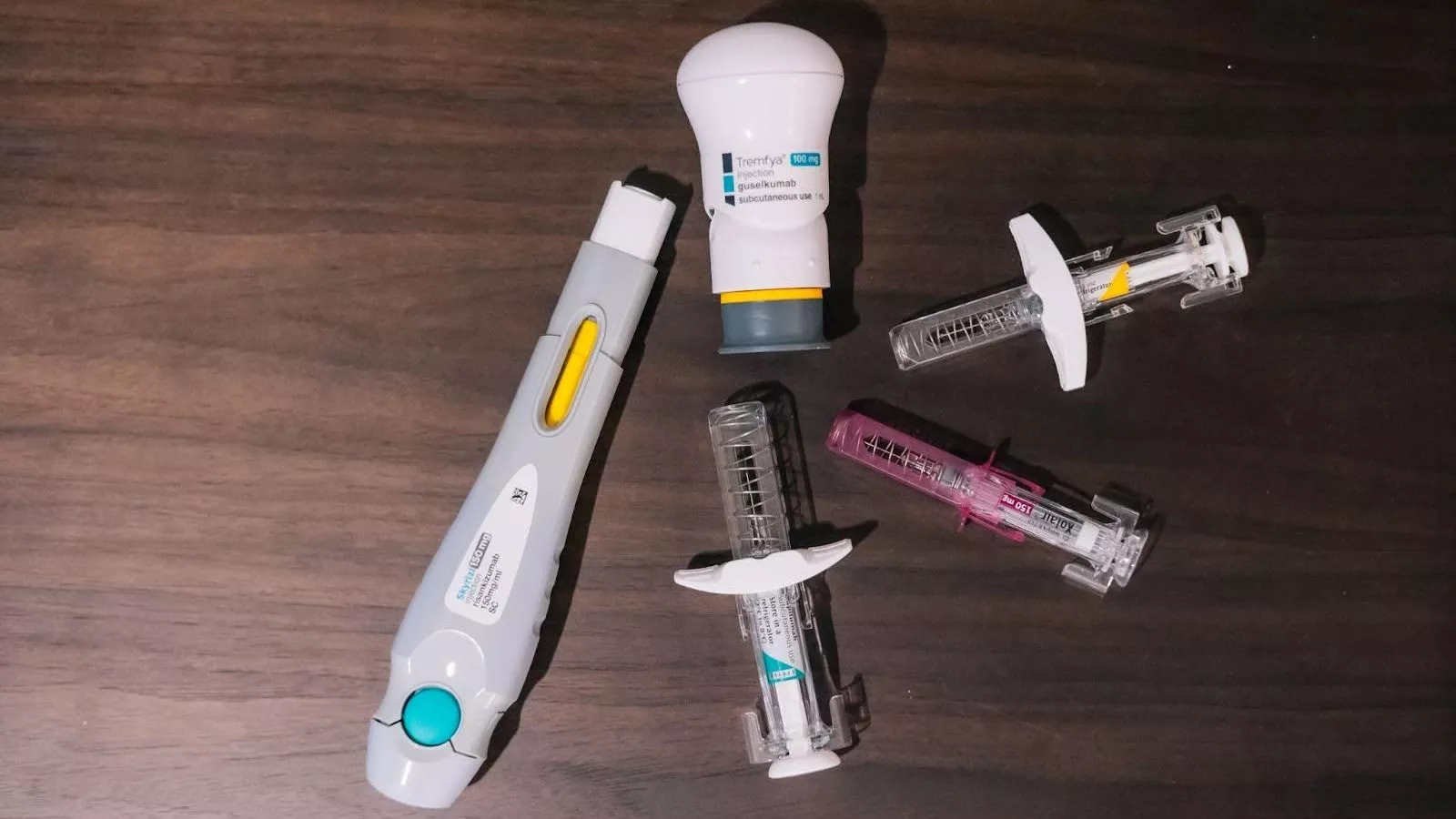
When topical treatments are insufficient or if the condition is severe, specialists may offer other therapeutic approaches. These options address the underlying systemic causes or provide relief when creams fail. Systemic medications may be necessary for widespread or resistant cases of psoriasis and eczema that affect the perianal region. These oral or injectable drugs work throughout the entire body to suppress the overactive immune response driving the skin condition. Biologic therapies are a newer class of systemic treatments that target specific parts of the immune system, and they have shown success in managing chronic inflammatory skin diseases.
Phototherapy, or light therapy, involves exposing the skin to specific wavelengths of ultraviolet light under medical supervision; while less common for the perianal area due to accessibility issues, targeted UVB therapy can be effective for some patients. Antihistamines are sometimes recommended to help manage the intense itching associated with eczema, especially at night. Doctors recommend that patients reduce the urge to scratch because scratching can further damage the skin and lead to secondary infections.
Perianal Dermatology Factors to Keep in Mind
Treating skin conditions in the perianal area requires specific considerations beyond standard dermatology protocols. The environment of the perianal region significantly influences how treatments are absorbed and how the skin heals. Constant moisture and friction complicate management, and sensitivity to topical agents is also more common. Consult with your doctor about managing hygiene and moisture in the perianal region so that your treatment is effective and complications are minimized.
Contact a Specialist Today
Managing psoriasis or eczema in the perianal region requires professional guidance for safe and effective care. Self-diagnosis and treatment with over-the-counter products can sometimes lead to worsening symptoms or misdiagnosis of other serious conditions. A dermatologist can provide an accurate diagnosis, and they can tailor a treatment plan that accounts for the area’s sensitivity. If you are experiencing persistent itching, pain, or skin changes, schedule a consultation with a healthcare provider. Early intervention can provide significant relief and prevent long-term complications associated with chronic inflammation.
