
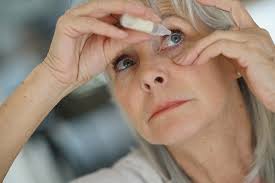
Dry eye syndrome occurs when your tears do not provide adequate lubrication for your eyes, causing inflammation and irritation. Tears may be inadequate for many reasons; you may not produce enough tears, or you may produce poor-quality tears. Common symptoms of this syndrome include a stinging, burning, or scratchy sensation in your eyes, which may cause light sensitivity and redness. Here’s information about dry eye conditions and how to relieve your symptoms:
What Causes Dry Eye Symptoms?
Understanding the root of the problem is fundamental for managing your condition effectively. Dry eyes are caused by a lack of adequate tears, which are a complex mixture of water, fatty oils, and mucus. This mixture helps keep your eyes’ surface smooth and clear, and it protects them from infection.
Dry eyes may be caused by decreased tear production, increased tear evaporation, or an imbalance in tear composition. Constant eye irritation can interfere with daily activities, and chronic dryness can cause eye fatigue and blurred vision. Several factors may disrupt the healthy tear film. Aging is a primary factor, as tear production naturally diminishes with age.
Certain mediations and medical conditions can also contribute to dry eye symptoms. Environmental factors may worsen symptoms by increasing tear evaporation due to:
- Smoke
- Wind
- Dry Climates
When Should You Visit a Specialist?
While occasional dry eyes are common, persistent symptoms necessitate medical attention. You should see an eye doctor if you have prolonged symptoms, such as red, irritated, tired, or painful eyes. An eye care specialist can determine what is bothering your eyes, and early treatment efforts can help prevent complications, like eye infections. If your vision becomes blurred or you experience sudden changes in your eyesight, seek medical advice immediately.
What Can Relieve Your Symptoms?
For mild symptoms, over-the-counter artificial tear drops are available to temporarily supplement natural tear production. There are several at-home strategies to help manage and alleviate eye discomfort, such as:
- Humidifiers: Adding moisture to the air in your home or office may prevent tears from evaporating too quickly.
- Warm Compresses: Applying a warm, damp cloth to your eyes helps unclog oil glands in the eyelids, improving tear quality.
- Protective Eyewear: Wraparound sunglasses shield your eyes from wind and dry air when you are outdoors.
When eye conditions require more specialized care, you may be prescribed medications to improve your symptoms. Prescription eye drops and ointments manage and alleviate symptoms by targeting the underlying causes of dryness. Anti-inflammatory eye drops work to reduce inflammation on the surface of the eyes, helping to improve tear quality. Specialized ointments or gel-based formulations provide long-lasting moisture, particularly overnight, as they protect and soothe the eyes. In some cases, advanced treatments, like punctal plugs or amniotic membrane grafts, may be recommended.
Contact an Eye Doctor To Learn More
Managing eye discomfort often benefits from professional guidance, as an eye doctor can provide a comprehensive examination to determine the specific cause of your symptoms. They can offer prescription medications or procedures that over-the-counter remedies cannot provide. To be proactive about your eye health, schedule a consultation with a specialist today.
