
Bunions are a common foot deformity that affects the structural integrity of the big toe joint. They can cause significant discomfort, and the condition often progresses if left unmanaged. Patients seeking relief have access to various methods, ranging from simple home remedies to advanced medical interventions. Here is more information about bunions and actionable tips for coping with the pain they cause:
What Is a Bunion?
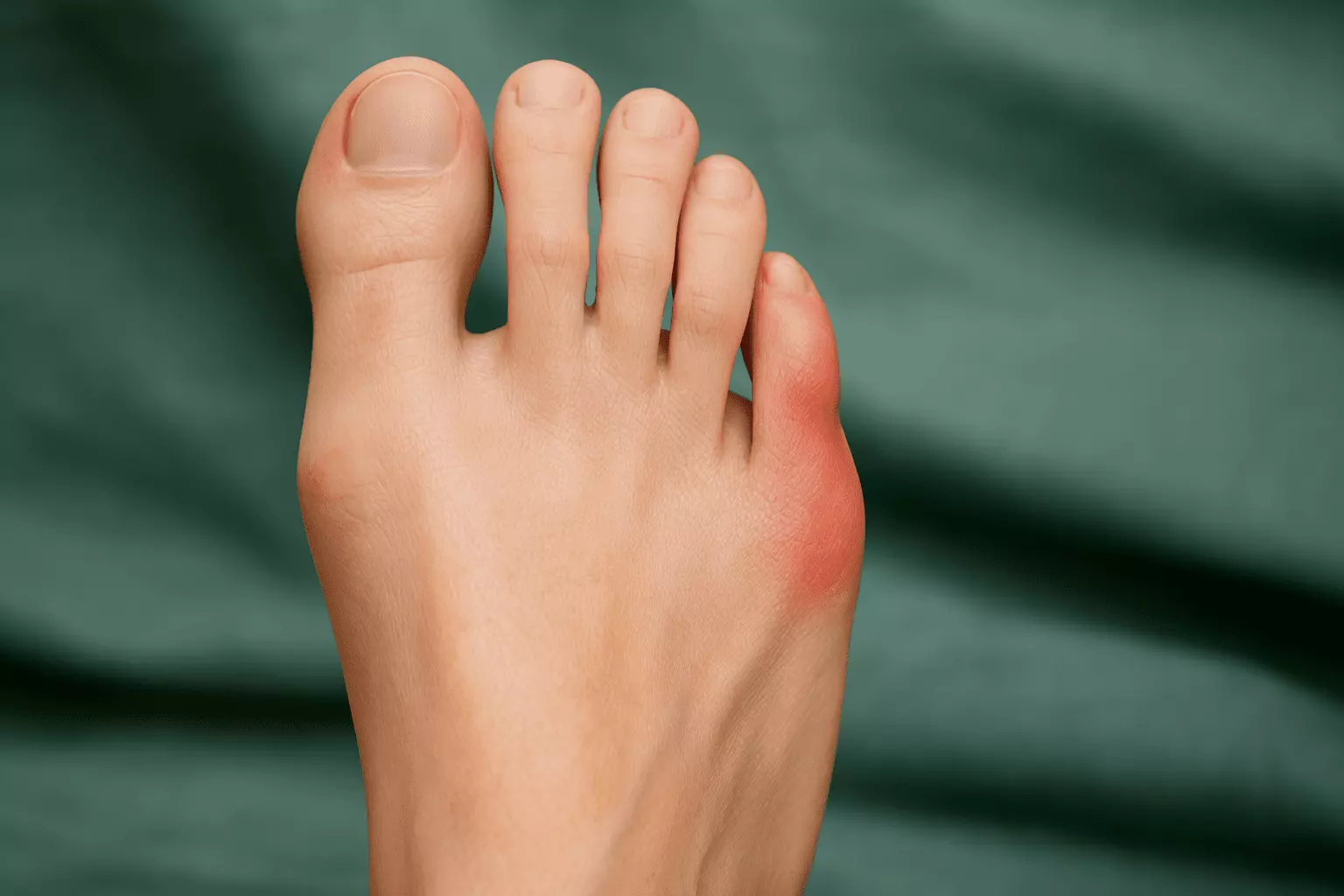
A bunion, clinically referred to as hallux valgus, is a bony bump that forms on the joint at the base of the big toe. This condition manifests when some of the bones in the front part of the foot move out of their natural alignment. This displacement causes the tip of the big toe to pull toward the smaller toes, and this forces the metatarsophalangeal (MTP) joint to protrude.
The skin covering the bunion often becomes red and tender due to friction and pressure. It is a progressive disorder; this means the deformity typically increases over time without intervention. The angle of the bones changes gradually, eventually producing the characteristic bump that becomes increasingly prominent.
What Causes It?
Inherited foot type is a primary cause, with certain structural foot shapes being more prone to developing the deformity than others. Mechanics of the foot are inherited, and faulty mechanics can lead to the instability that allows a bunion to form. Wearing ill-fitting footwear aggravates the condition. Shoes that are too tight, too narrow, or feature high heels force the toes into an unnatural, crowded position, accelerating the development of the deformity in individuals who are already genetically susceptible to it.
What Are the Symptoms?
A primary symptom of a bunion is a bulging bump on the lateral side of the big toe base. Swelling, redness, or soreness around the big toe joint are also common signs of inflammation, and these symptoms can make it difficult for the patient to wear standard footwear. Corns or calluses may develop where the first and second toes rub against each other due to misalignment. Ongoing pain or intermittent discomfort potentially occurs after walking or standing for extended periods.
How Can You Cope?
Managing bunion pain involves conservative treatments aimed at relieving direct pressure on the affected area. Switching to shoes with wide toe boxes gives the toes ample room to maintain a natural position. Avoiding high heels helps reduce the mechanical strain placed on the big toe joint during movement. Using protective padding helps cushion the painful area against the shoe’s interior; this can reduce discomfort during daily activities and prevent skin irritation.
How Is Professional Guidance Beneficial?
A podiatrist offers specialized treatments if conservative home remedies do not provide sufficient symptomatic relief. They may recommend custom orthotics, prescription shoe inserts designed to control the mechanics of the patient’s foot. These devices distribute pressure evenly across the foot, and they help prevent the bunion from worsening over time.
Corticosteroid injections are another option for managing acute, localized pain. These injections are administered directly into the affected joint to quickly and effectively reduce inflammation. They do not cure the underlying deformity, but they provide temporary relief from severe symptoms that hinder mobility. Surgery becomes a viable option when conservative treatments fail to alleviate persistent pain and interference with daily activities.
Find Relief Today
Bunion pain does not have to permanently limit physical mobility. Early intervention and consistent management strategies are effective in controlling the progression of symptoms. Schedule an appointment with a specialist and develop a personalized treatment plan to restore foot function.
