
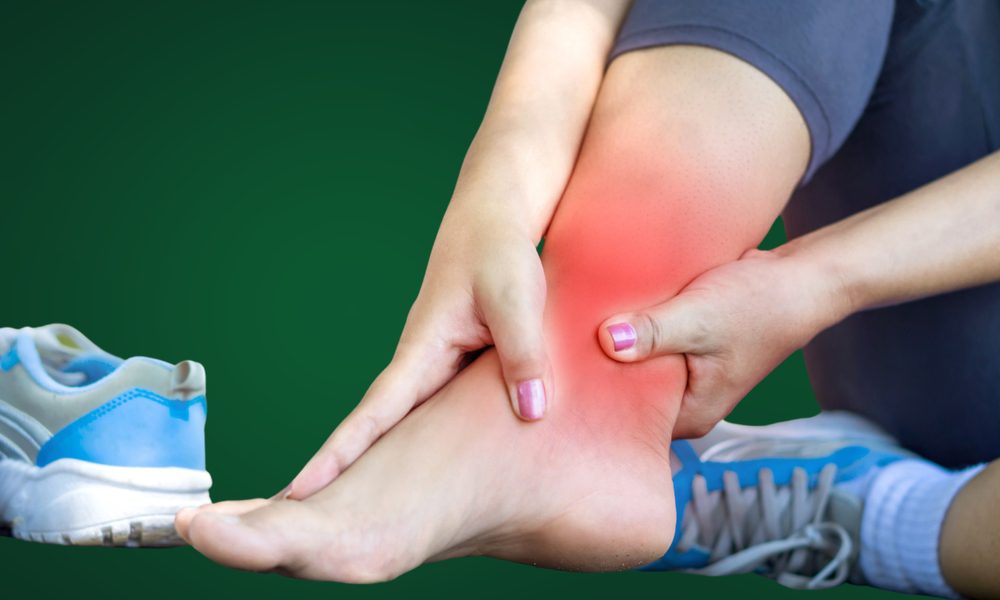
Flat feet are common in children, particularly during the early stages of growth when arches are still developing. While many cases resolve naturally, proper care and monitoring will help prevent discomfort and support healthy foot development. Understanding practical tips for managing flat feet in children enables parents to promote stability, reduce strain, and encourage long-term musculoskeletal health.
Monitor Developmental Warning Signs
Start by paying attention to how your child’s feet grow and move. Toddlers naturally have flat feet until about age four or five. Their arches are still developing and often hidden by baby fat. As they age, their arches should become more visible. If they don’t, or if you notice changes in their gait, take a closer look. Watch for physical signs like inward ankle rolling or overpronation, where the ankles lean toward each other while the feet flatten.
Listen to what your child tells you about how their body feels. Some children with flat feet feel no pain. Others might complain of “tired legs” or aching feet after playing. They may mention pain in the arch, heel, or cramping in the knees. Discomfort might cause your child to avoid physical activities they enjoy. If they often ask to be carried, this could be a sign for you to note down.
Choose Supportive Daily Footwear
The shoes your child wears are crucial for managing flat feet. Walking barefoot on soft surfaces like sand can help strengthen foot muscles, but daily activities on hard surfaces require supportive footwear. The right shoes provide the external structure their developing feet may lack. When shopping, look for shoes with a firm heel counter. Also, make sure the shoe has a supportive insole with some arch contouring.
A good shoe should be flexible in the right place. It needs to bend at the toe box but remain stiff in the middle. If the shoe twists easily, it won’t provide enough support. High-top sneakers are a great option because they provide extra ankle support. Avoid flip-flops or unsupportive flats for long walks, as they lack arch support and will worsen symptoms.
Encourage Strength Mobility Exercises
Just like any other part of the body, foot muscles can be strengthened with simple exercises. Fun activities can help children build the intrinsic muscles of their feet, which may improve arch stability over time. These exercises don’t need to feel like workouts. One fun activity is having them pick up marbles or small toys with their toes and drop them into a cup.
Stretching the calves is also necessary since tight calf muscles can pull on the foot and affect the arch. Turn this into a game by having your child stand on a step and lower their heels or push against a wall in a “runner’s stretch” pose. Walking on tiptoes or heels (like a penguin) around the room is another great way to improve flexibility and strength.
Seek Professional Guidance
While home care and proper shoes are often enough, sometimes you need a professional. See a specialist if your child has lasting pain or shin splints. You should also get help if their feet are rigid. This means no arch appears, even when not standing. A podiatrist will evaluate the severity of the condition.
Custom orthotics are a common and effective treatment. These are molded to your child’s feet for precise support. They correct misalignment better than store-bought inserts. If pain continues, a specialist might suggest physical therapy, but they may discuss reconstructive surgery in rare cases.
Book a Flat Feet Consultation
Caring for a child with flat feet involves a mix of observation, supportive choices, and knowing when to ask for help. When you monitor their development, choose appropriate footwear, and encourage strengthening exercises, you are laying a strong foundation for their mobility. While many cases are painless and resolve on their own, persistent issues deserve expert attention to prevent long-term complications.
If you are concerned about your child’s gait or they are experiencing foot or leg pain, book a consultation with a podiatrist to help resolve the issue.
