
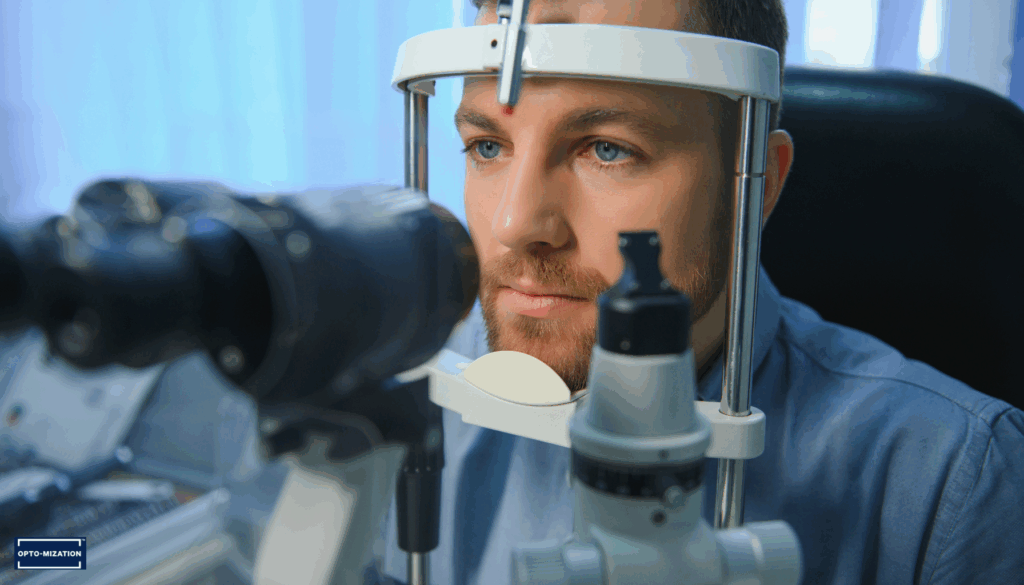
An optometrist provides comprehensive eye care services focused on maintaining vision health and detecting potential ocular conditions early. Beyond routine eye exams, optometrists offer a wide range of diagnostic, corrective, and preventive services tailored to patients of all ages. Understanding the services an optometrist offers helps individuals make informed decisions about their eye care and long-term visual well-being.
Comprehensive Eye Exams, Vision Testing
A comprehensive eye exam is the foundation of optometric care. It is more than a simple vision screening. It evaluates the complete health of your eyes. Your optometrist will assess your visual acuity. They check your eye coordination and ability to focus. The doctor also checks for refractive errors. These include nearsightedness, farsightedness, and astigmatism. Correcting these issues reduces eye strain.
Regular exams reveal issues beyond your vision. An optometrist spots early signs of diabetes. They can also detect high blood pressure and high cholesterol. They do this by examining the blood vessels in your eye. Scheduling these exams annually is a proactive step. It helps protect both your eyesight and your overall well-being.
Eye Disease Diagnosis and Management
Optometrists diagnose and manage various eye diseases. These conditions threaten your vision if left untreated. Glaucoma and macular degeneration often develop without early symptoms. An optometrist uses advanced technology to find these problems early. This helps prevent irreversible damage. If diagnosed, your optometrist creates a custom treatment plan. This may include medication or lifestyle changes. They may also coordinate care with a surgeon if needed..
Managing eye infections and injuries is also a key service. An optometrist treats pink eye or a scratched cornea. They will prescribe antibiotics or antiviral medications. Prompt care for these issues helps prevent serious complications. This protects your long-term vision, and getting immediate treatment is necessary for your eye health.
Vision Correction Services
One of the most common services optometrists offer is providing corrective lenses. After an eye exam, they help you choose the right correction for your lifestyle. This involves more than just picking stylish frames. It requires precise measurements to ensure your glasses are clear and comfortable.
A separate exam is needed if you prefer contact lenses. Since contacts sit on your eye, an optometrist measures your cornea for the right fit. They will also assess your tear film quality and eye sensitivity. Specialty lenses are available for patients with hard-to-fit eyes. Conditions such as keratoconus may require rigid gas-permeable or scleral lenses. These offer better vision and comfort for complex prescriptions.
Preventive Eye Care
Preventive care is an integral part of optometry. Optometrists spend much of their time teaching patients how to protect their eyes from damage and disease. This often includes advice on nutrition, UV protection, and maintaining proper workplace ergonomics. In today’s technology-driven world, digital eye strain has become a significant concern. Eye doctors may suggest blue-light filtering lenses to reduce exposure to harmful light from screens.
Education on proper hygiene is especially important for contact lens wearers. Following your optometrist’s instructions for cleaning and replacing lenses is necessary to prevent serious eye infections. By adopting these practices and integrating them into your daily habits, you can significantly reduce the risk of vision problems later in life.
Specialized Age-Based Eye Care
Vision changes throughout life, and optometrists provide specialized care to address these evolving needs. Pediatric eye exams are needed to make sure that children develop the visual skills needed for learning. Since children often cannot describe vision issues, these exams use objective testing to confirm eye health. As we age, our eyes naturally change and require different types of care. Optometrists manage this transition by prescribing reading glasses, bifocals, or progressive lenses for clear vision at all distances.
For older adults, age-related conditions like cataracts become a major concern. Optometrists are needed for preoperative and postoperative care of cataract surgery. They assess cataract severity, recommend surgery when necessary, and oversee recovery to ensure safe vision restoration. Throughout life, optometrists play a key role in maintaining eye health and adapting to changing vision needs.
Schedule Appointment With an Optometrist
Your eyes are important organs in your body, and maintaining their health is significant. This requires professional support. From comprehensive exams and disease management to finding the perfect pair of glasses, an optometrist offers the expertise needed to keep your vision sharp. Seek eye care today by scheduling an appointment with an optometrist near you instead of waiting for symptoms to appear. These proactive steps are the best way to safeguard your sight.
