
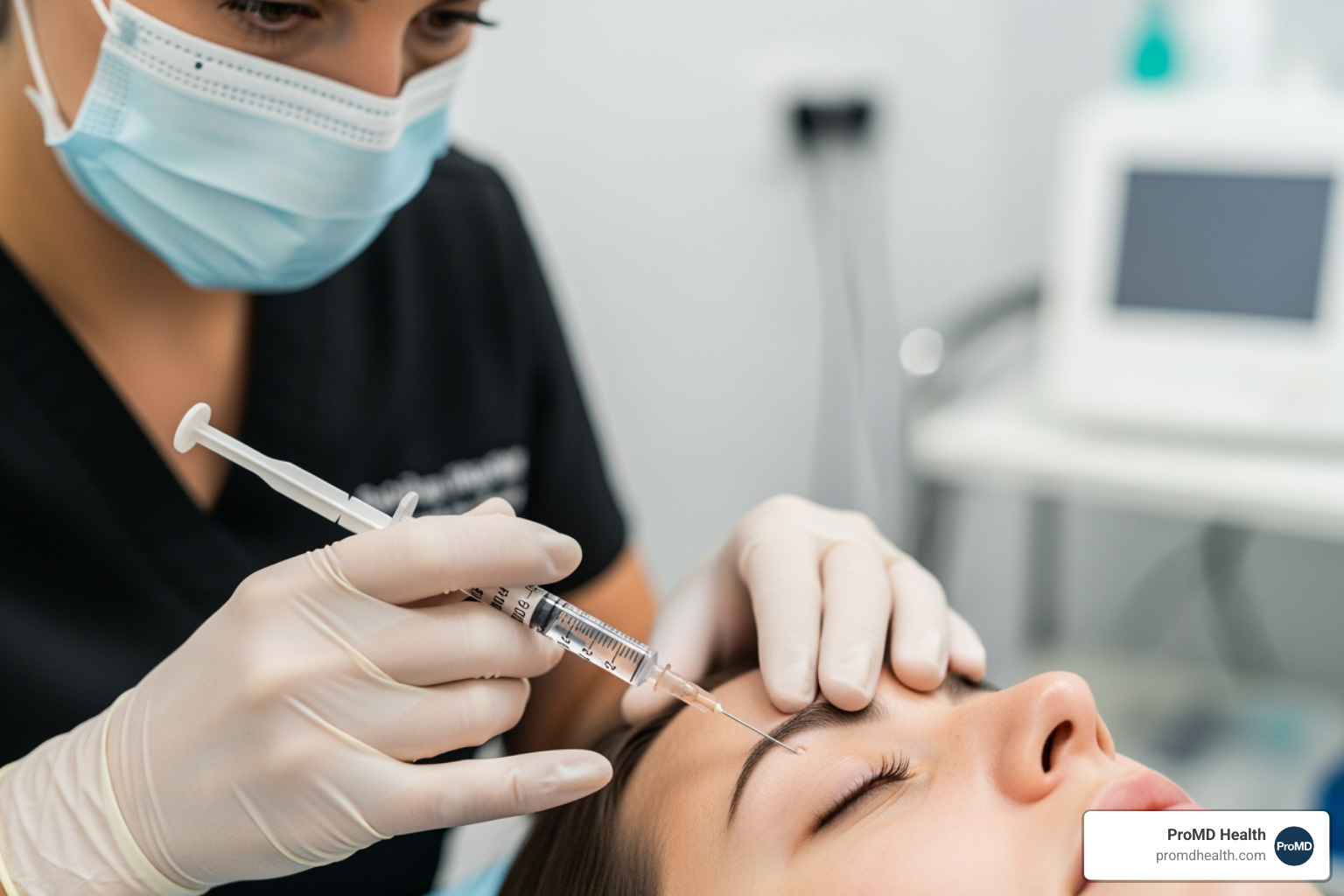
Regenerative therapies harness the body’s natural ability to repair damaged tissues, and these approaches aim to address the root causes of conditions. By utilizing biological materials derived from the body itself, regenerative treatments support the healing process in a targeted manner. One regenerative approach is platelet-rich plasma (PRP) therapy, which uses a concentrated preparation of someone’s own platelets to accelerate healing. Here’s information on the science behind PRP injection therapy:
What Is Platelet-rich Plasma Therapy?
Platelet-rich plasma therapy is a treatment that utilizes the healing components found within a person’s own blood. This sample is processed to separate the platelets from other blood cells, and the resulting platelet-rich plasma is injected directly into body tissue. This therapy works because certain blood components contribute to tissue regeneration. A PRP injection precisely delivers high concentrations of growth factors, which can enhance the body’s inherent healing mechanisms.
What Platelets Are
Platelets, also called thrombocytes, are small, disc-shaped cell fragments in your blood. They are best known for their role in clotting blood after an injury, but platelets are also a reservoir of growth factors. Growth factors are proteins that are fundamental for healing injuries. When tissue damage occurs, platelets release growth factors, which signal other cells to migrate to the area, promoting cell reproduction.
How Solutions Are Concentrated
To create the PRP solution, your blood sample is placed in a centrifuge, a machine that spins at high speed. This rapid spinning separates the blood into its different components based on density. These layered components include:
- Red Blood Cells
- White Blood Cells
- Plasma
- Platelets
The platelet-rich portion of the plasma is isolated and prepared for injection; this process results in a solution that can contain several times the concentration of platelets and growth factors found in normal blood.
How Can PRP Injections Benefit You?
The potential benefits of PRP therapy stem from its ability to enhance the body’s natural healing abilities. The concentrated growth factors get to work quickly, signaling to the body to begin repairing the affected tissue. PRP injections benefit many people, as they help restore tissue function and reduce pain over time.
Following a procedure, some individuals might notice a localized inflammatory response, which is a normal part of the healing process initiated by the injection. The treatment supports the rebuilding of tissue structure, and the results can be progressive as the body continues its natural healing cycle. As new tissue develops and matures over several weeks or months, many individuals experience improved strength and mobility.
When Should You Try PRP Therapy?
When an injury has not improved with standard treatments, like rest or physical therapy, you should visit a medical professional. A specialist can provide a thorough evaluation and explain the process in detail. Consulting a specialist can help you proactively manage your pain, as they can determine whether you are a suitable candidate for this type of therapy.
Learn More About PRP Injection Therapy
PRP injection therapy utilizes your body’s own healing potential. If you are interested in PRP therapy, a regenerative medicine specialist can give you more information. Contact an expert today, as they can determine which treatments are most effective for your needs.
