
Sports medicine helps active people recover, as it focuses on physical fitness and injury treatment. Rehabilitation is a key part of this process, and it helps you recover function after an injury. This plan involves teamwork. While you want to return to activity, your doctor makes sure your recovery is safe and effective.
Utilize the Experts
Sports medicine is a specialized field. It addresses injuries related to physical activity. This area is not just for professional athletes. It serves anyone who is active. Specialists treat conditions such as foot pain, ankle sprains, ligament tears, and stress fractures. These experts often treat overuse injuries, which are common among runners and athletes. They also help with acute injuries from games or exercise. Sports medicine doctors use their experience to understand your condition and recommend treatments. They aim to treat your injury and prevent future problems. After you make an appointment, they create a plan, and your recovery begins. This approach gives you focused care for your needs. Specialists coordinate with therapists and trainers to support your progress.
Rehabilitate with Sports Medicine
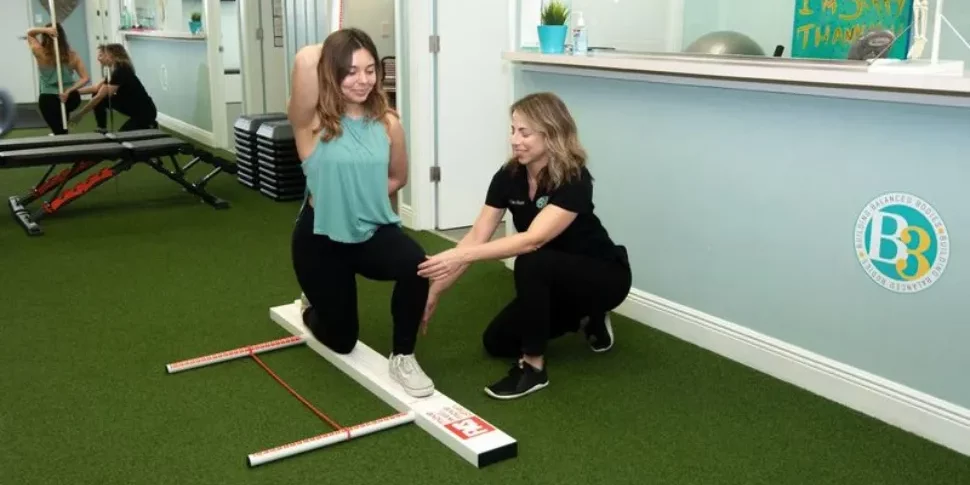
Rehabilitation begins after a diagnosis, and it is a structured recovery plan. This plan might include exercises and therapies. It helps you regain strength and mobility. For some conditions, a doctor may recommend foot and ankle surgery. Rehabilitation plays an important role after such procedures. Physical therapists use targeted exercises, stretching, and balance training to address weakness and flexibility. Some plans include manual therapy to improve joint function and reduce pain. Using supportive equipment, such as braces or orthotics, makes daily activities safer. These techniques support your healing, help reduce discomfort, and make it easier to return to regular activities. Rehabilitation also teaches movements and strategies that protect your body from future issues. Your provider guides you through each step, and you recover.
Stay consistent with your rehabilitation program to achieve the best outcomes. Follow your provider’s recommendations, and keep open communication about your progress. Since healthy habits support your recovery, follow your doctor’s plan to return to activity. Recovery takes time, and every small step forward brings you forward. Regain your strength and function.
Return to Activity
The main goal is your safe return to activity. This process is gradual and carefully managed. Your team tracks your progress at each stage, just to confirm you are healing. Regular checkups let your provider spot potential issues early, so adjustments can be made before problems develop. In complex cases like foot and limb salvage, this careful approach matters. Monitoring helps your provider check that each step is safe for your condition. Your doctor will advise you when you are ready, and you resume your activities once cleared. These guidelines prevent reinjury, allowing a lasting return to what you love. Taking time during recovery builds your confidence and supports your return to routine.
Take Your Next Step
Understanding your care helps you participate in your recovery. Your team helps you navigate this process. Partner with them to focus on your health, and schedule a consultation. Because this step marks the beginning of your plan, you have to take the first step.
