
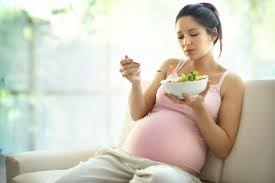
Pregnancy health is influenced by nutrition, as the body’s nutrient needs increase to support fetal development and protect maternal well-being. A balanced eating plan can promote healthy growth, support energy levels, and reduce the risk of complications. Here’s more information on the impact of nutrition on pregnancy health:
Supporting Pregnancy Health
The food consumed during pregnancy acts as the primary fuel source for the growing fetus. It provides the energy and raw materials needed for organ development, bone growth, and brain function. When a pregnant person maintains a balanced diet, they support their own immune system and energy levels, which can fluctuate significantly. Good nutrition also helps manage common pregnancy symptoms like nausea and fatigue.
Poor nutrition, on the other hand, can lead to complications. A lack of certain vitamins can increase the risk of developmental issues or low birth weight. It can also contribute to maternal health problems, such as anemia or gestational diabetes. Understanding the connection between diet and pregnancy health is a key step in promoting a smooth pregnancy.
Prioritizing Key Nutrients
While a well-rounded diet is always helpful, pregnancy increases the demand for specific nutrients that support fetal growth. The following nutrients are fundamental during this time:
- Folic Acid: This B vitamin helps prevent major birth defects of the baby’s brain and spine. It is found in fortified cereals, leafy green vegetables, and citrus fruits.
- Iron: The body uses iron to make extra blood for the mother and the baby. Good sources include lean red meat, poultry, fish, and beans.
- Calcium: This mineral helps build the baby’s bones and teeth. If the mother does not consume enough calcium, the body takes it from her bones.
- Vitamin D: Working alongside calcium, Vitamin D promotes bone strength and immune function. Sunlight is a source, but fatty fish and fortified milk are also beneficial.
Focusing on these nutrients helps establish a strong foundation for the baby’s development.
Building Smart Eating Patterns
Adopting a healthy eating pattern is often more effective than focusing on individual nutrients in isolation. A balanced approach makes sure that the body receives a wide variety of vitamins and minerals. Here are some helpful strategies to contemplate:
- Eat a Rainbow: Consuming fruits and vegetables of different colors provides a diverse range of nutrients and antioxidants.
- Choose Whole Grains: Foods like brown rice, oats, and whole-wheat bread offer fiber, which aids digestion and provides sustained energy.
- Include Healthy Fats: Avocados, nuts, seeds, and olive oil contain fats that support the baby’s brain development.
- Stay Hydrated: Water helps form the amniotic fluid around the baby and supports increased blood volume.
These habits support overall pregnancy health and can help manage the physical changes of pregnancy.
Avoiding Risky Choices
While many foods are beneficial, some pose risks during pregnancy and should be limited or avoided. Raw or undercooked seafood, eggs, and meat can carry bacteria that harm the fetus. High-mercury fish, such as shark and swordfish, can affect the baby’s developing nervous system. It is also helpful to limit caffeine intake, as high amounts may affect fetal growth. Healthcare providers often recommend a prenatal vitamin to fill nutritional gaps, but they should not replace a healthy diet. It is key to consult with an OB-GYN before starting any new supplement regimen; they can provide personalized advice based on individual health needs and medical history.
Prioritize Your Pregnancy Health Today
Nutrition is a significant component of pregnancy care that impacts the mother and the developing baby. Focusing on key nutrients, adopting smart eating patterns, and avoiding high-risk foods are effective ways to support a healthy pregnancy. If you have questions about your dietary needs or need guidance on prenatal health, contact a qualified OB-GYN near you to book an appointment today.
