
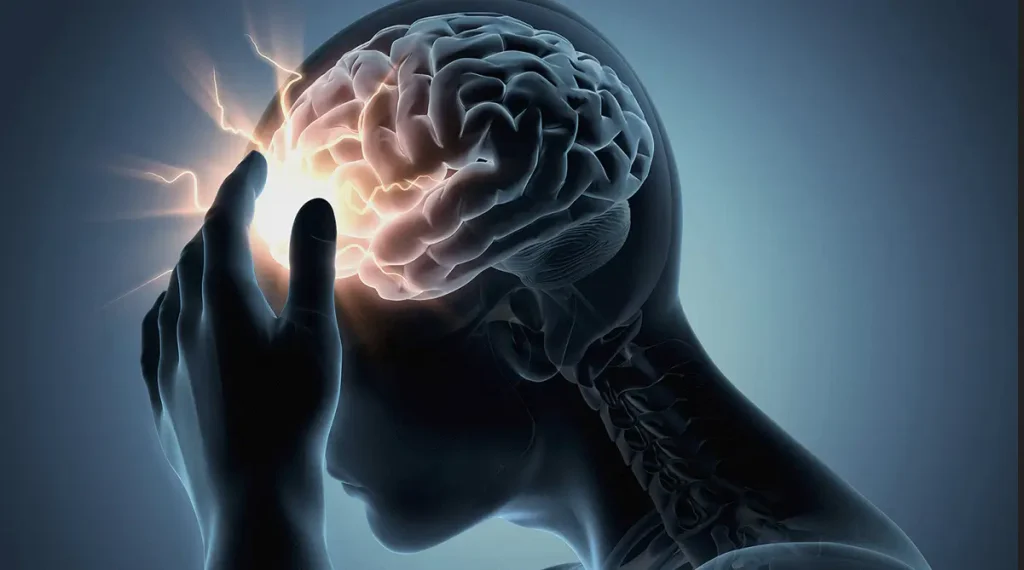
The human brain manages our thoughts, memories, and actions, but its function can be disrupted by injury. The connection between brain injuries and subsequent changes in cognitive function is a significant area of study. Understanding this link provides insight into how an injury can affect an individual’s ability to process information and interact with their surroundings.
Understanding Brain Injuries
Brain injuries can result from external forces like falls or car accidents (traumatic brain injuries) or internal reasons like strokes or infections (acquired brain injuries), causing damage that ranges from mild, temporary effects to severe, long-term impairment. These injuries can be focal, targeting specific brain areas, or diffuse, causing damage; the location and severity determine functional changes.
Defining Cognitive Function
Cognitive function refers to the mental processes that allow us to acquire knowledge, manipulate information, and reason. These abilities are fundamental to our daily lives, and they enable us to learn, remember, solve problems, and pay attention. Core cognitive domains include memory, attention, executive function, and processing speed.
These functions do not operate in isolation; they work together to help us navigate the world. Holding a conversation requires paying attention, retrieving words from memory, and organizing thoughts. A decline in any of these areas can noticeably affect a person’s ability to manage daily activities.
Exploring Their Connection
When a brain injury occurs, it has the potential to disrupt the neural pathways that support mental functions. While the brain has some ability to heal and form new connections, severe damage may be too extensive to overcome. Here’s how a brain injury directly leads to cognitive changes:
- Disruption of Neural Pathways: The injury can damage or destroy the brain’s communication networks, directly influencing cognitive abilities.
- Swelling and Inflammation: Immediately after an injury, the brain may swell, further hindering cognitive processes.
- Healing and Recovery: As the brain heals, some mental functions might return, but others may remain impaired depending on the extent of the damage.
- Location of Injury: The specific cognitive problems a person experiences are directly related to the area of the brain that was injured, showing a clear cause-and-effect relationship.
Recognizing Common Symptoms
Cognitive symptoms after a brain injury can range from subtle to severe. Common issues include difficulty with short-term memory, a reduced attention span, and slower processing speed. Some individuals may also struggle with planning, organizing, and decision making. Language problems, known as aphasia, can also occur, affecting the ability to speak or understand others.
Supporting Cognitive Recovery
Recovering cognitive function after a brain injury involves several approaches and strategies:
- Cognitive Rehabilitation: Structured therapies help patients regain lost skills or develop new ways to compensate for deficits. Therapists assist with setting goals and improving memory, attention, and problem-solving.
- Assistive Technology: Tools such as smartphone reminders or digital organizers can help manage daily tasks.
- Structured Environment: Creating a predictable and organized environment reduces mental effort, allowing the individual to focus on recovery.
- Lifestyle Adjustments: Proper nutrition, a consistent sleep schedule, and healthy habits support the brain’s healing process.
Address Brain Injuries Early
The effects of brain injuries on cognitive function are complex, impacting everything from memory to decision-making. The severity and location of the injury determine the specific cognitive changes an individual may face. While recovery is possible, addressing brain injuries promptly offers the best opportunity to manage symptoms and support the brain’s healing. If you or someone you know has sustained a head injury, seek a professional medical evaluation.
