
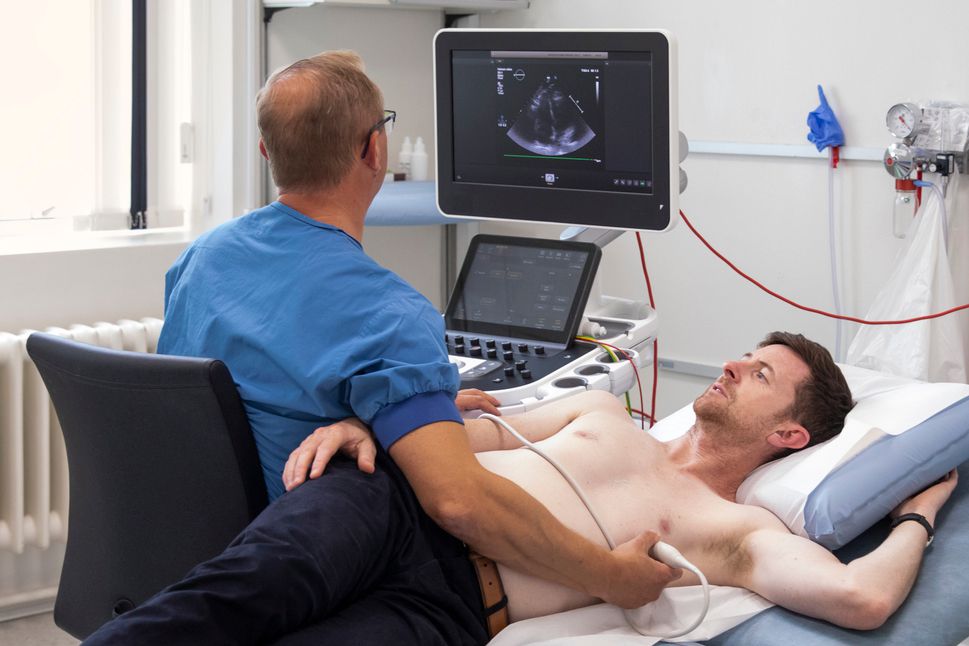
An echocardiogram is a noninvasive imaging test that provides detailed, real-time information about the heart’s structure and function. This test can reveal early changes that may not be obvious through symptoms alone. For patients with risk factors such as high blood pressure or a family history of heart disease, echocardiography can support earlier diagnosis and better long-term monitoring. Here are the key benefits of an echocardiogram in early heart disease detection:
Measures Heart Pumping
One of the main functions of an echocardiogram is to measure the heart’s pumping strength and efficiency. This measurement is often called the ejection fraction, and it indicates whether the heart pumps enough blood to the rest of the body. The images produced during the exam provide specific details about the heart’s pumping ability, including the following:
- Global function: This refers to the overall efficiency with which the heart contracts to move blood through the chambers.
- Regional wall motion: The doctor looks for specific areas of the heart muscle that may not move as well as the rest due to damage.
- Chamber size: The test measures the volume of the heart chambers to determine whether they are enlarged or functioning too hard to pump blood.
These specific measurements help the cardiologist determine whether heart failure or other cardiac pump disorders are present.
Catches Valve Problems Early
The heart contains four valves to keep blood flowing in the correct direction. These valves sometimes do not open or close properly, which forces the heart to work harder than it should. An echocardiogram creates detailed images of these valves as they open and close with each heartbeat.
Visualizing the valves allows the doctor to identify issues such as regurgitation, in which blood leaks backward through a closed valve. It also detects stenosis, which happens when the valve opening becomes narrow and stiff, restricting blood flow. Identifying these valve issues early is fundamental for preventing long-term damage to the heart muscle.
Detects Structural Changes
High blood pressure or other conditions can change the physical structure of the heart. The walls of the heart may become thicker, or the chambers may stretch out of shape due to constant stress. An echocardiogram provides a clear view of the heart’s anatomy to identify these structural changes before they cause a major event. Cardiologists look for several structural indicators during the exam, such as:
- Wall thickness: Increased thickness often indicates that the heart is straining against elevated blood pressure or other resistance.
- Congenital defects: The test can find holes in the heart or other problems that have been present since birth.
- Fluid buildup: It detects pericardial effusion, an excess of fluid in the sac surrounding the heart that can compress the organ.
Detecting these structural abnormalities helps the medical team understand the root cause of a patient’s symptoms. The exam can also reveal tumors or blood clots that may be hiding inside the heart chambers.
Guides Next Steps
After the echocardiogram is complete, the results guide the doctor in creating a specific treatment plan. If the standard transthoracic echocardiogram does not provide a clear enough view, the doctor may recommend a transesophageal echocardiogram. This version involves guiding a narrow transducer down the esophagus to get closer to the heart. For patients with known heart conditions, regular echocardiograms are a helpful way to track progress over time. This ongoing monitoring allows the cardiologist to determine whether a condition is stable or worsening.
Book Your Echocardiogram Appointment Today
Taking care of your heart requires proactive testing and expert medical guidance. An echocardiogram offers a safe, non-invasive way to get a comprehensive look at how your heart is functioning. It provides the specific data needed to detect problems early and maintain good cardiovascular health. If you have symptoms such as dizziness or irregular heartbeat, contact a qualified cardiologist near you to book your echocardiogram appointment today.
