
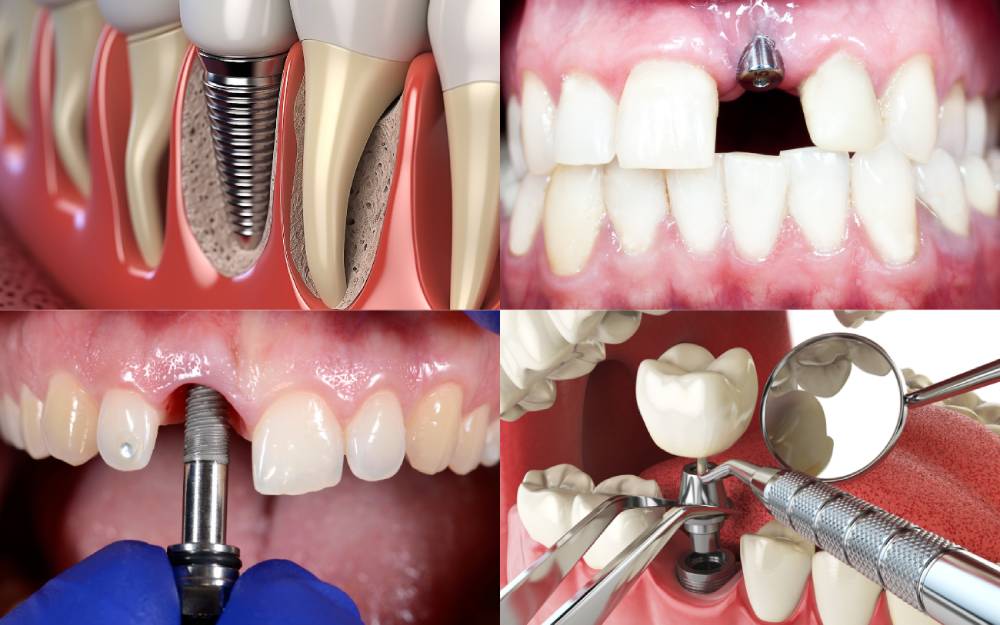
Tooth loss affects chewing and speech, but modern dentistry provides effective solutions. Dentures rest on the gums, while implants fuse with the jawbone, and this distinction creates significant functional benefits. A periodontist helps determine eligibility. This article examines the advantages of implants concerning stability, bone preservation, and long-term performance.
What’s a Periodontist?
The periodontist or oral surgeon places the implants into the jawbone. Typically, it takes about three to six months for the implants to integrate, and patients continue to use their healing denture during this time. After proper integration, dental impressions of both arches are taken and sent to a laboratory, where the custom prosthesis is crafted. The periodontist attaches the completed denture to the implants and helps with proper fit and function. Throughout this process, the periodontist demonstrates oral hygiene practices and monitors healing to support both functional and aesthetic outcomes.
What Are Dentures?
Dental implants function like natural tooth roots, anchoring into the jawbone. A titanium post integrates with the bone, making a stable foundation and removing the risk of movement. Denture wearers may have trouble with hard or sticky foods, while implant patients usually regain full chewing ability without restrictions. The stability of implants allows a more natural bite force. With replacement teeth fixed in place, users avoid worrying about looseness, which can improve confidence. The secure fit also helps with speech.
One major consequence of tooth loss is jawbone resorption. With a missing root, the bone loses stimulation and density, resulting in gradual bone loss. Dentures sit atop the gum tissue without stimulating the underlying bone. Dental implants, in comparison, transmit chewing forces to the jawbone, stimulating the tissue as natural roots do. This stimulation maintains facial structure. Bone loss can change the jaw’s shape, but implants help preserve facial contours. Dentures may need periodic relining as the jawbone changes, but implants help stabilize bone levels. By preventing resorption, implants help the jaw remain strong enough for prosthetic support. Without stimulation, bone volume decreases, and treatment options diminish.
What is Maintenance?
Dental implants are a long-lasting replacement solution. Dentures require replacement every five to seven years, but implants can last a lifetime with proper care. The titanium posts are resistant to decay. However, gum tissue requires hygiene to prevent infection. Patients care for implants with normal brushing and flossing, while dentures must be removed for cleaning and soaking. The initial implant cost is higher, but their longevity can make them more cost-effective over time. Dentures lead to recurring costs for adhesives, cleaning, and adjustments. Implants do not require these purchases. Implant-supported options preserve adjacent healthy teeth, which may otherwise be altered for bridges. This helps maintain overall oral health. Permanent restorations reduce visits for denture repairs or refitting.
Find a Clinic
Dental implants provide notable advantages over removable dentures. Jawbone integration leads to greater stability, enhancing chewing and speech. Implants stimulate bone to prevent atrophy, unlike dentures. Although the initial investment is higher, the durability and minimal maintenance needs of implants offer long-term value. Find a clinic to talk to a specialist about options for you.
