
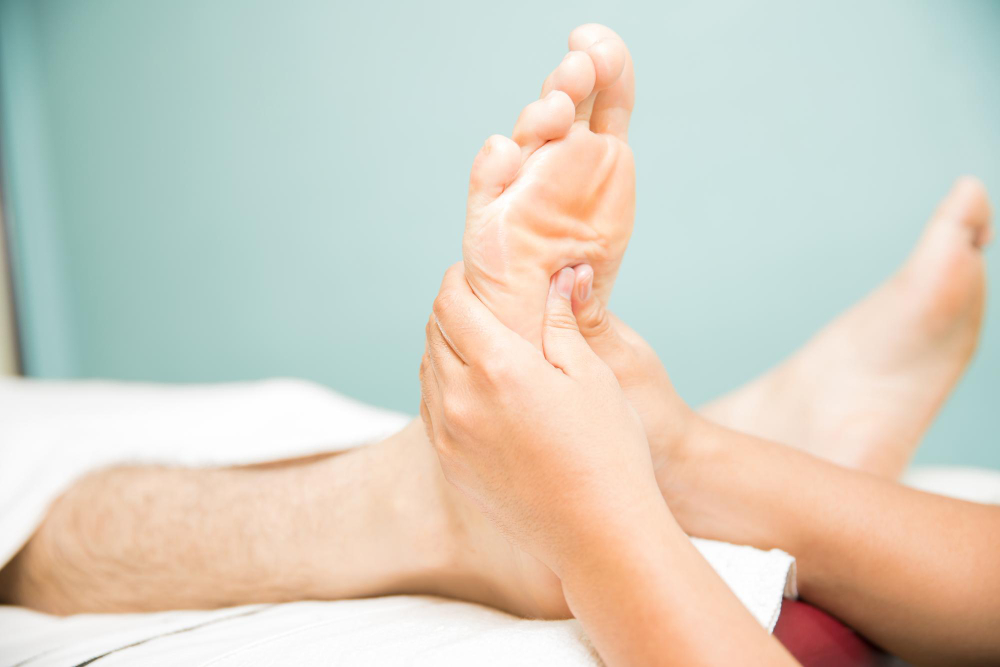
Sports injuries are injuries to the body that occur during athletic activities, and they may result from accidents, poor training practices, improper equipment, or a lack of conditioning. While injuries can occur anywhere in the body, many sports-related issues originate in the feet and legs, which absorb significant impact and stress. Understanding how to care for your feet is a foundational component of injury prevention for any active individual. Here’s information on how to prevent sports injuries:
Proper Technique
Using the correct technique for your chosen sport or activity is fundamental for preventing sports injuries and avoiding reinjury. Improper form places unnatural stress on joints, ligaments, and muscles, and this can lead to sprains, strains, or more severe conditions over time. Each movement has an optimal form that distributes force evenly across the body, minimizing the risk of injury.
Proper footwear and gear also play a key role in maintaining correct technique and protecting your feet. Shoes should be specific to the sport and provide adequate support, cushioning, and stability. Worn-out shoes lose their structural integrity, so they may fail to absorb shock effectively and contribute to poor alignment. Regularly replacing athletic footwear helps your feet receive the consistent support they need to perform movements correctly and safely.
Properly Warming Up
A thorough warm-up prepares the body for physical exertion by gradually increasing heart rate and circulation. This process delivers more oxygen-rich blood to the muscles, making them more pliable and less susceptible to tears or strains. A warm-up should include light aerobic activity, such as jogging or cycling, followed by dynamic stretching. Dynamic stretches involve active movements that mimic the sport you are about to play, which helps improve range of motion and prepare specific muscles. Neglecting to warm up means your muscles are cold and stiff, which significantly increases the likelihood of injury.
Properly Taking Time to Recover
Rest gives muscles, tendons, and bones the opportunity to rebuild and strengthen. Without sufficient recovery, the body remains in a state of stress, which can lead to chronic pain, inflammation, and a higher risk of acute injury. Allowing your body adequate time to rest and repair after strenuous exercise is key to preventing overuse injuries.
When Should You Visit a Specialist?
If you experience persistent pain, swelling, or instability that does not improve with rest, it may be time to contact a specialist. A podiatrist or orthopedic specialist can provide an accurate diagnosis of foot and ankle injuries. You should seek professional evaluation if you cannot bear weight on the affected foot, if the pain is severe, or if you notice any obvious deformity. Early diagnosis can lead to more effective management and prevent a minor issue from worsening.
What Are Some Common Treatments?
Initial management for many minor sports injuries often involves the R.I.C.E. method: Rest, Ice, Compression, and Elevation. Rest allows the injured tissue to heal, and icing the affected area helps reduce swelling and pain. Applying a compression bandage minimizes swelling, while elevating your injured limb above heart level may help reduce fluid accumulation. For more significant injuries, a specialist might recommend physical therapy, custom orthotics, or other interventions based on your specific diagnosis.
Learn More About Sports Injuries
Proper foot care is a proactive measure every active individual can take to reduce the risk of injury. By focusing on correct technique, consistent warm-ups, and adequate recovery, you can build a strong foundation for long-term athletic participation. When an injury does occur, seeking timely and appropriate care is key to a successful recovery. If you’re experiencing a foot or ankle injury, contact a podiatrist for a consultation, as a specialist can determine which treatments are best for your needs.
