
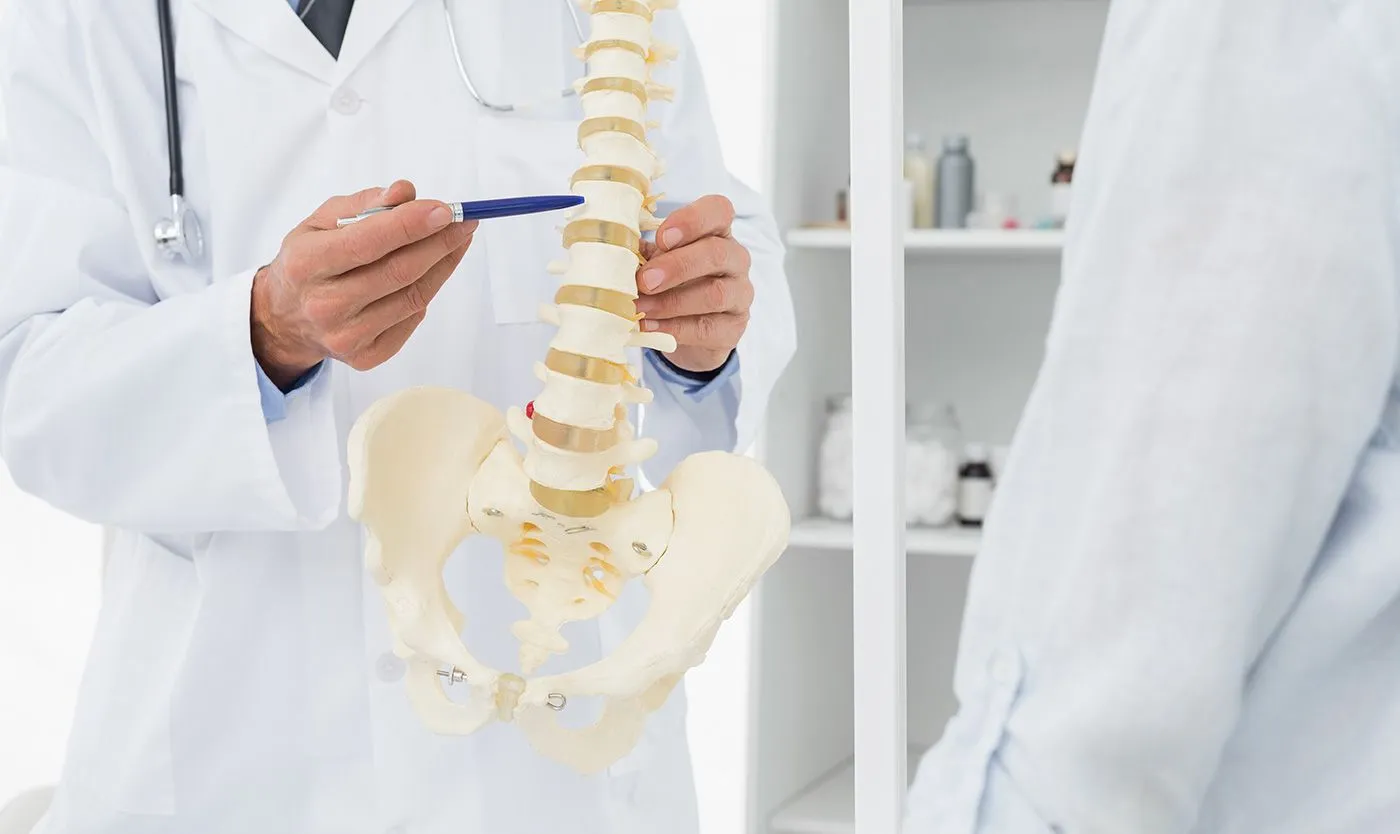
A herniated disc occurs when the soft inner core of a spinal disc pushes through its tough outer layer, and this condition may cause significant nerve compression. Understanding the available therapies helps patients make informed decisions about their overall health. Here is more information on this condition, its causes, symptoms, and available treatment options:
What Is a Herniated Disc?
The human spine consists of individual bones called vertebrae, and rubbery discs sit between them, acting as biological shock absorbers. A herniated disc develops when the jelly-like center of the disc protrudes through a microscopic tear in the exterior casing. This protrusion can directly press against nearby spinal nerves, disrupting normal nerve signaling.
The structural failure of the disc compromises its ability to cushion the vertebrae. The localized inflammation surrounding the protrusion further irritates the delicate nerve roots, exacerbating symptoms. Medical imaging techniques reveal the exact location of the extrusion, and doctors use these images to assess the severity of the herniation.
What Causes It?
Disc herniation primarily results from gradual, aging-related wear and tear known as disc degeneration. As people age, their spinal discs lose structural water content, which makes them less flexible. The decreased flexibility increases the likelihood of an annular tear, and even a minor physical strain can cause a sudden rupture.
Physical trauma sometimes triggers a herniated disc without prior severe degeneration. Lifting heavy objects with the back muscles instead of the leg muscles places excessive stress on the lower spine, and this mechanical strain can permanently damage the disc structure. A fall or a sudden blow to the back can also cause a herniation.
What Are the Symptoms?
Symptoms depend on the location of the damaged disc and whether it presses on an adjacent nerve. A herniated disc in the lower back typically causes sciatic nerve pain, and patients may feel this sensation radiating down the buttocks and leg. Numbness and physical tingling sometimes accompany the localized radiating pain. The affected nerves cannot properly transmit neurological signals, leading to sensory deficits in the corresponding body parts.
What Natural Remedies Can Help?
Several natural approaches provide conservative symptom relief for patients dealing with a herniated disc. Applying cold packs initially reduces localized acute inflammation, and switching to heat therapy relaxes tense spinal muscles. Gentle stretching exercises improve overall flexibility, helping relieve the mechanical pressure placed on the vulnerable spinal nerves. Modifying daily physical activities prevents further mechanical aggravation of the spinal structures.
How Is Professional Guidance Beneficial?
A healthcare provider diagnoses the anatomical root cause of the spinal pain, and they formulate an appropriate medical treatment plan. Doctors may prescribe non-opioid pain medications to manage severe localized discomfort. Physical therapy offers targeted exercises to strengthen the supporting core muscles, which mechanically stabilize the spine.
When conservative physical methods fail to yield measurable results, physicians may recommend more advanced medical treatments. Spinal injections deliver targeted corticosteroids directly to the affected nerve area, and this specialized procedure decreases localized swelling. Surgery is an option for severe, unresponsive cases.
Explore Available Treatment Options Today
A herniated disc creates complex physiological challenges. The integration of conservative natural remedies with clinical medical treatments is valuable for proper rehabilitation. Schedule a consultation with a qualified healthcare provider and discuss the specific therapeutic options most suited to your medical condition.
