
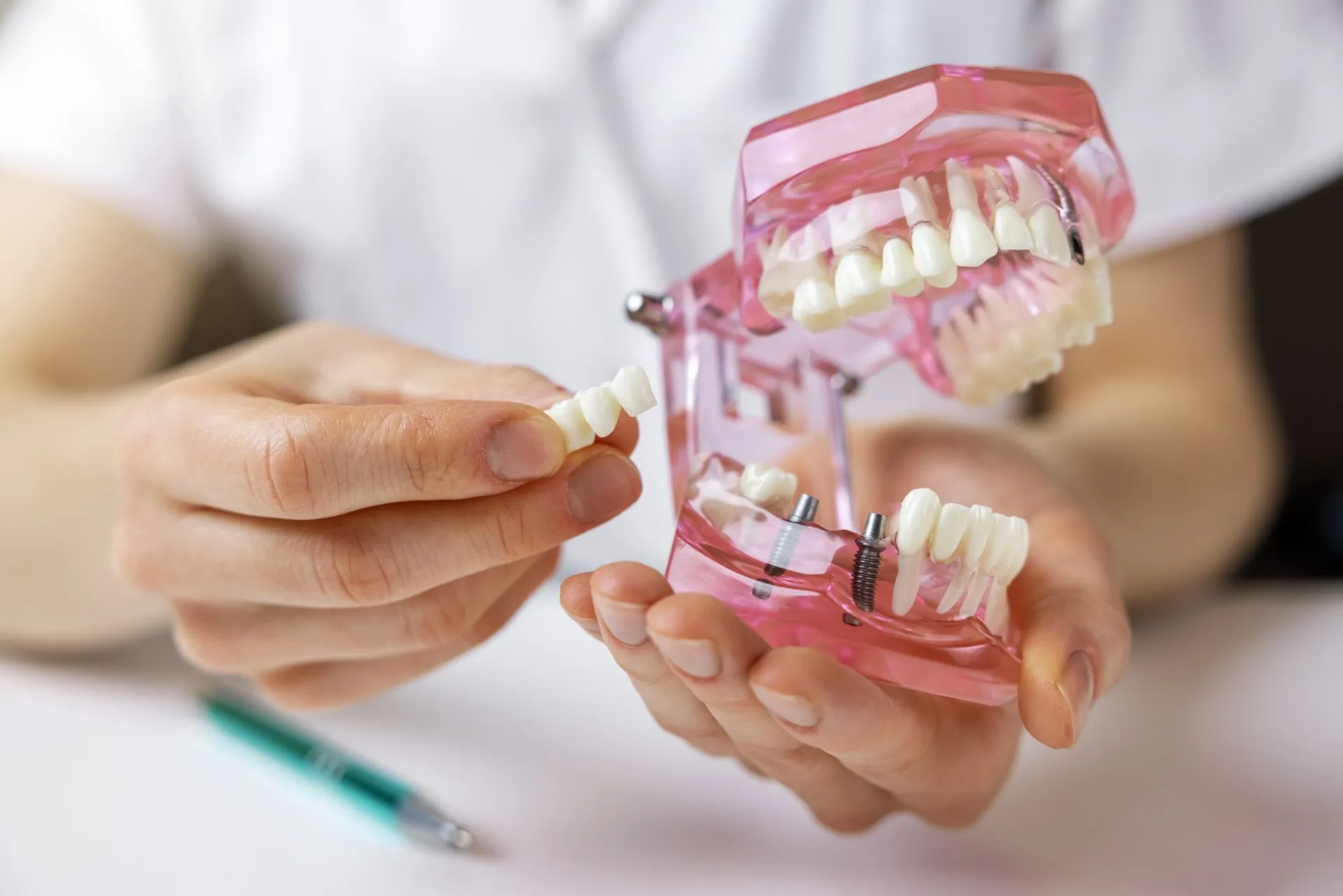
Dental crowns are a practical solution for repairing damaged teeth. They are typically made from materials like porcelain, ceramic, or metal. A crown covers the part of the tooth that is visible above the gum line. Once glued in place, a crown helps protect a weak tooth from breaking, restores a broken tooth, or covers a tooth with a large filling. Here is some information on how to care for your crowns:
Brush and Floss Regularly
Good daily oral hygiene is a fundamental part of caring for a dental crown. You treat a crowned tooth just like you do your natural teeth. Brushing twice a day with a soft-bristled toothbrush and fluoride toothpaste helps remove plaque, which is a sticky film of bacteria that constantly forms on teeth.
Pay special attention to the area where the gum meets the tooth, as plaque can accumulate there and lead to gum disease. Flossing daily is also necessary for the health of your crowned tooth. Floss helps remove plaque and food particles from between the teeth and under the gumline, areas a toothbrush cannot reach.
When flossing around a crown, it is helpful to slide the floss out from the side of the tooth rather than pulling it up, which may reduce the chance of catching the edge of the crown. A consistent cleaning routine helps maintain the health of the underlying tooth and gums, providing a solid foundation for your crown for years to come.
Avoid Hard and Chewy Foods
Certain foods can damage a crown by causing it to chip, break, or become dislodged. It is wise to be mindful of your diet to protect your investment. Eating hard foods can create excessive pressure on a crown, potentially leading to fractures. Very sticky foods can pull on dental crowns, causing them to loosen over time. You might want to limit or avoid the following foods:
- Hard candies, nuts, and ice cubes
- Chewy caramels, taffy, and gummy candies
- Tough meats and crusty bread
Making simple adjustments to your eating habits can also be beneficial. For example, cutting up hard fruits like apples instead of biting directly into them can decrease the stress on your crown. Being conscious of what and how you eat is a practical step toward preserving your dental work.
Get Regular Checkups
Professional dental care complements your at-home oral hygiene routine. Scheduling regular checkups allows your dentist to monitor the condition of your dental crown and the tooth beneath it. During these appointments, your dentist can examine the crown for any signs of wear, chipping, or looseness. They will also check the margins of the crown to see that it still fits properly against the tooth.
These visits are also an opportunity for a professional cleaning, which removes hardened plaque, known as tartar, that you cannot remove on your own. A hygienist will clean and polish your teeth, including the crown, helping to keep your gums healthy. Your dentist can spot potential issues before they become larger problems, offering guidance and making adjustments as needed.
See a Dentist for Maintaining Dental Crowns
Caring for a dental crown involves a combination of diligent home care and professional oversight. Brushing and flossing daily keep the crown and surrounding gum tissue clean. Avoiding foods that are excessively hard or chewy helps prevent damage to your teeth. These practices work together to support the longevity of your dental work. Schedule an appointment with a dental team today to discuss your specific dental needs.
