
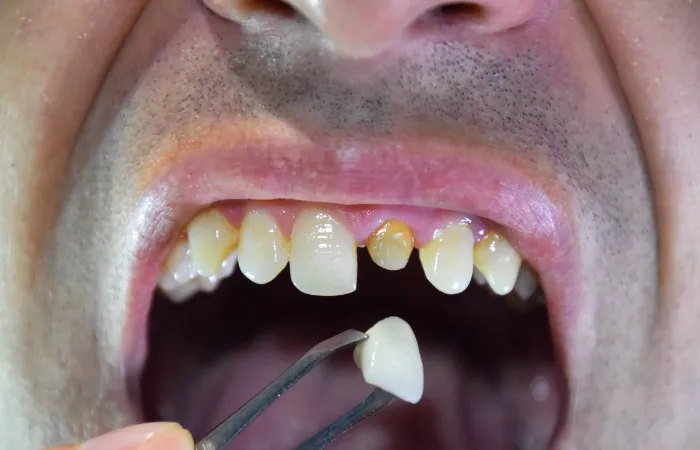
Cracked teeth occur when damage causes a small break or fracture within the tooth structure. This injury might result from biting down on hard objects, but natural aging is another potential cause. If left untreated, it could allow bacteria to seep into the tooth pulp and cause an abscess. Here is more information about the causes of cracked teeth and how they are treated:
Understanding Causes
Although enamel is tough, cracked teeth can affect anyone at any age. People over the age of 50 are generally more likely to have fractures. Chewing on hard foods like ice may break the tooth’s surface, and grinding creates stress that weakens the structure.
Large dental fillings sometimes weaken teeth, and this instability increases the chance of a fracture. Trauma from a fall or a sports injury can also cause significant damage; protect your mouth during contact sports to minimize these risks. Accidents can happen unexpectedly. Wearing a mouth guard offers protection and may prevent a trip to the dentist.
Identifying Types
Dental professionals classify fractures into five distinct categories based on severity and location. Some types of cracked teeth include:
- Craze lines: These are tiny, superficial cracks on the outer enamel that are usually harmless.
- Fractured cusp: This occurs when the pointed part of the chewing surface breaks off.
- Treatable cracked tooth: This is a vertical crack extending from the chewing surface toward the root.
- Split tooth: A crack splits the tooth into distinct segments, and the tooth cannot be saved intact.
- Vertical root fracture: This crack starts at the root and extends upward toward the chewing surface.
Some cracks are visible, but others hide below the gum line. You might feel sharp pain when biting down on food. Because symptoms vary, an exam may be needed to help find the problem. Although vertical root fractures may show minimal symptoms at first, they cause gum inflammation, so regular exams are helpful for early detection.
Exploring Treatments
Your dental provider will recommend solutions based on the fracture’s severity. Small cracks require dental bonding, or the dentist performs contouring to smooth rough edges. If the damage is cosmetic, veneers are an option to restore the look of the smile. When the crack is small, a filling might suffice, but a crown provides better protection if the tooth needs extra strength.
When a fracture extends into the pulp inside the tooth, bacteria can cause an infection or abscess. A root canal removes this damaged tissue. The provider cleans the infection, and a crown protects the tooth. Severe splits require extraction because the tooth cannot be saved, but dental implants can restore function and appearance after the procedure is complete.
Find Treatment for Cracked Teeth
Cracks in your teeth can range from cosmetic craze lines to serious splits. All dental cracks can affect your oral health. Early diagnosis helps preserve your natural teeth, so seek help if you suspect a problem. Treatment options vary based on the extent of the damage, and the right care can prevent tooth loss. If you want to learn more about treatments for cracked teeth, consult an endodontist today.
