
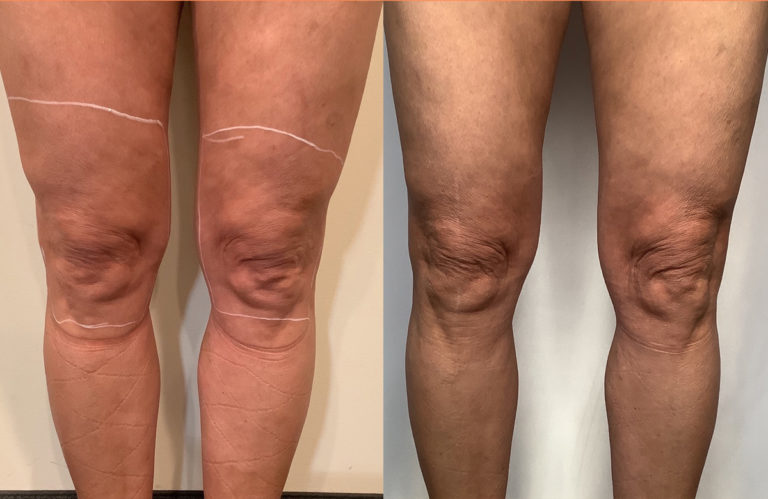
Varicose veins occur when valves in your veins weaken or sustain damage. Blood pools in the legs instead of flowing back to the heart, which causes swelling and discomfort. You might notice these twisted, enlarged veins just under the surface of the skin. If left untreated, this condition may lead to skin ulcers that require specialized wound care attention. Here is more information on how to address wellness when you have varicose veins:
Keep Legs Elevated
Elevating your legs can be done at home, and it helps reduce the pressure gravity places on your veins. When your feet are positioned higher than the level of your heart, fluid accumulation may decrease. You provide your veins a much-needed break from the constant strain of pumping blood upward.
Lie down on a sofa or bed and prop your legs up on pillows comfortably. This position allows blood to flow back toward the heart with less resistance. Gravity assists circulation during these rest periods, and swelling often subsides as a result.
Move Frequently
Staying stationary for long periods restricts healthy blood circulation throughout the lower body. When you sit or stand for hours, gravity works against your veins, and pressure builds up. You must break up these long periods of inactivity with movement, and walking encourages the calf muscles to pump blood upward effectively.
Simple exercises performed at your desk or home make a difference in vein health, as you do not need a gym membership to see positive changes in your circulation. While you remain seated, flexing your ankles or rotating your feet may stimulate blood flow. Small movements prevent blood from stagnating in the lower extremities.
Incorporating a routine into your day supports long-term vascular health; set a timer every hour to remind yourself to stand up and stretch your legs. A quick walk around the room restores circulation, while consistent movement strengthens vein walls. Activity is a primary defense against worsening symptoms.
Wear Compression Stockings
Compression stockings apply steady pressure to your legs to help veins and leg muscles move blood more efficiently. These specialized garments gently compress the legs, aiming to prevent blood from pooling in the veins. You may find relief from heaviness and aching once you begin wearing these options:
- Knee-high stockings
- Thigh-high options
- Open-toe varieties
Your doctor or a wound care specialist typically measures your legs, and this helps them find the correct size and strength. Ill-fitting stockings cause more harm than good, so professional fitting is necessary. Wearing them throughout the day offers continuous support for your venous system.
Lose Weight
Excess body weight places additional pressure on the veins in your legs and feet, and this added strain weakens the valves. Over time, it can exacerbate existing varicose vein issues. Shedding extra pounds may relieve this burden significantly. A balanced diet supports weight management efforts and promotes overall vascular health.
Find Wound Care Services
Professional help becomes necessary if skin changes or open sores develop near varicose veins. Wound care specialists assess the severity of the condition and recommend appropriate treatment plans, since ignoring these signs leads to infection or chronic ulcers that are difficult to heal. A specialist cleans the wound, applies dressings, and monitors healing progress closely. Contact a local vein clinic today to schedule an evaluation for your varicose veins.
