
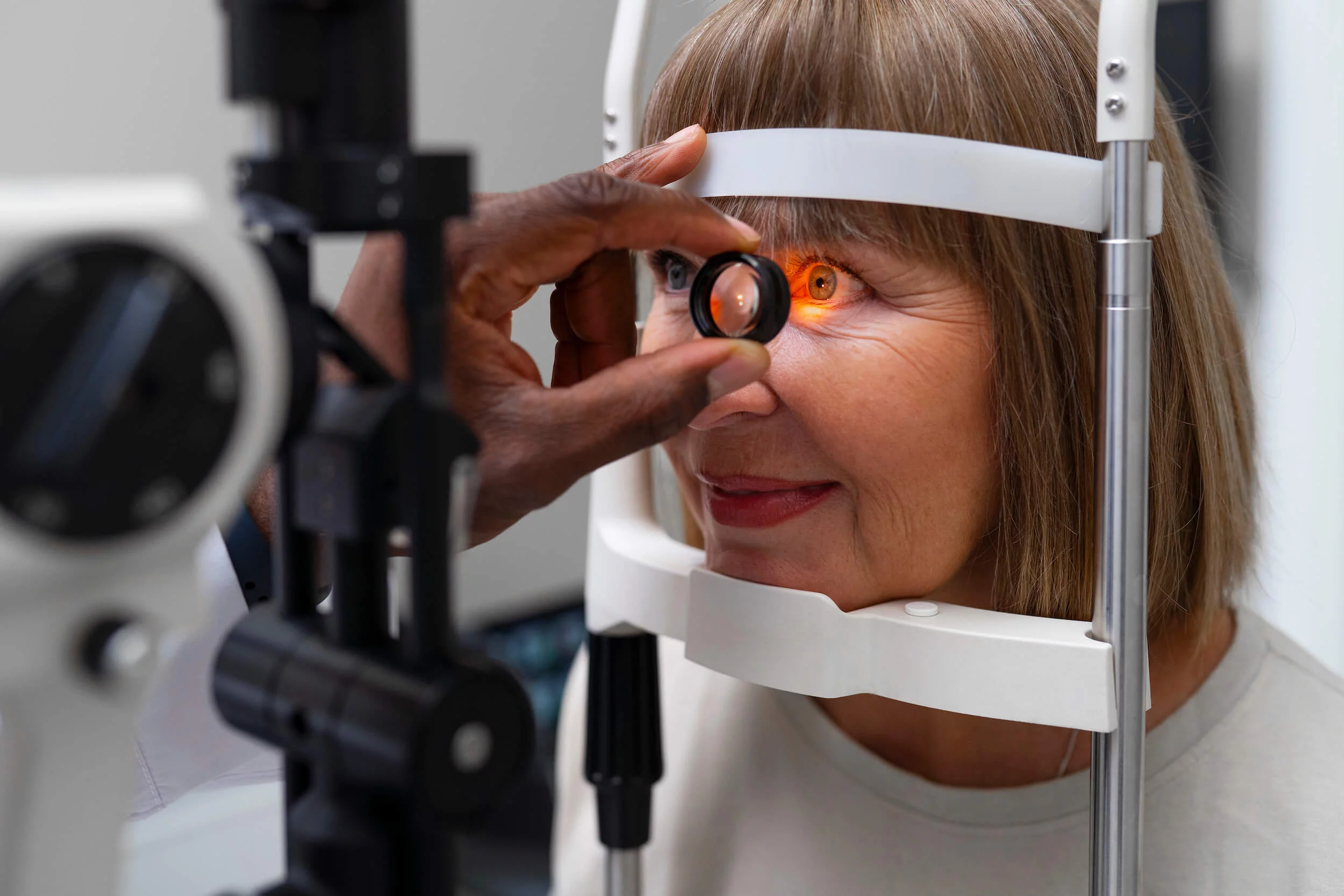
Your vision plays a significant role in your daily life. Since regular eye exams support your health, keep up with appointments. An eye exam can detect problems early, which helps protect your sight. This step also helps you maintain your quality of life.
Detecting Early Eye Conditions
Routine eye exams uncover issues, since some eye conditions show no early symptoms. Your doctor checks for things like glaucoma, which damages the optic nerve, so you receive timely care. An exam looks for signs of cataracts and macular degeneration. Knowing your risks is beneficial. Eye exams reveal vision changes that indicate early disease before symptoms appear. For people who wear glasses or contact lenses, regularly checking for subtle vision changes helps prevent incorrect prescriptions. Follow your provider and their plan. Regular appointments allow for consistent monitoring of your eye health. Early detection creates an opportunity to discuss preventive steps and tailor your care plan to your needs.
Protecting your eyes from external damage is another aspect of maintaining eye health. Simple practices, such as wearing sunglasses that block UV rays, can help prevent long-term harm from sun exposure. Because UV rays can cause cataracts or macular degeneration, you should wear sunglasses often. Maintaining proper eye health goes beyond regular check-ups. A diet with omega-3s, lutein, and vitamin C promotes eye health, supports clear vision, and lowers age-related risks. Limit screen time and follow the 20-20-20 rule to alleviate digital eye strain. Taking these proactive steps alongside routine exams safeguards your vision for years to come and enhances your quality of life.
Managing Chronic Eye Problems
Consistent care helps manage existing conditions. You can discuss symptoms such as dry or red eyes. Your doctor suggests treatments for eye allergies, which provide relief while preventing future flare-ups. If you have astigmatism, regular check-ups keep your prescription for glasses or contact lenses current. This makes your vision as clear as possible. Regular exams detect early changes in your vision, so your doctor can adjust your treatment or eyewear promptly. For people already using glasses or contact lenses, updated prescriptions reduce eye strain and improve comfort in daily activities. Ongoing support from your provider helps you monitor progress and adapt to changes, making chronic problems easier to manage.
Addressing Issues with Eye Exams
An eye exam reveals other health problems. Diabetic retinopathy concerns people with diabetes, and an eye doctor spots retinal blood vessel changes. Your doctor sees these signs during a comprehensive eye exam, so you can then consult with your primary physician. Eye exams can detect high blood pressure and early signs of systemic conditions, since some diseases affect the eye’s blood vessels. Regular monitoring helps your health care team address issues early and coordinate your health management.
Schedule Your Next Exam
Taking care of your eyes is a proactive step, so schedule a comprehensive eye exam. This simple appointment helps protect your vision by providing an opportunity to discuss concerns with a professional. Take control of your eye health. Make an appointment today.
