
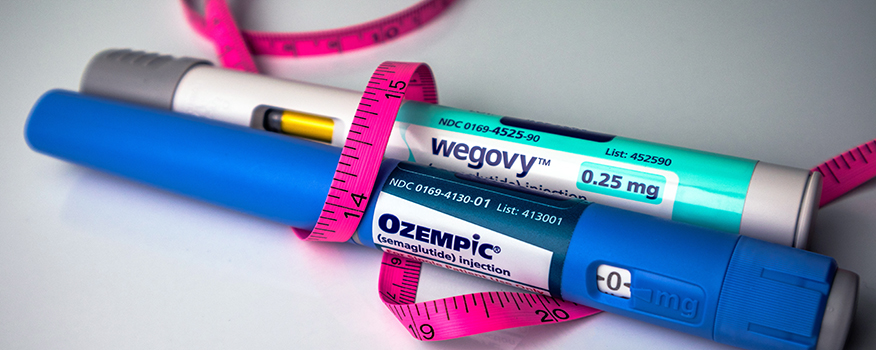
Weight management presents a significant challenge for many adults, yet effective solutions are available. Nearly three in four adults in the United States experience weight challenges, and maintaining a healthy weight is helpful for long-term wellness. GLP-1 medications offer a medical approach to weight loss that functions differently than diet and exercise alone. These medications target specific biological processes to reduce appetite and support substantial weight reduction. This article explores the mechanisms of GLP-1 medications, candidate eligibility, and what patients can expect during treatment.
Understanding GLP-1 Medications
GLP-1 medications are injectable treatments designed to enhance weight loss by directly reducing appetite. These medications function by optimizing insulin release after you eat a meal, which slows down the digestion process significantly. When digestion slows, you feel fuller for a longer period, making it easier to manage portion sizes and caloric intake. Patients administer these medications themselves through injections at home. You can inject the medication beneath the skin of your abdomen, arm, or thigh. While diet alone often leads to weight regain, these medications provide a biological tool to support sustainable change.
Identifying Ideal Candidates
Nearly everyone who is overweight or obese may benefit from using GLP-1 medications to support their health goals. These medications are helpful for individuals with Type 2 diabetes or other weight-related conditions that complicate weight management. If you have tried non-medicinal weight loss solutions without success, GLP-1 medications might be the next appropriate option for your treatment.
Candidates often achieve the best results when they combine medication with a healthy diet, exercise, and adequate sleep. Physicians create individualized weight loss plans that incorporate nutritional, medical, and behavioral therapies customized to unique needs. However, specific individuals should not use these medications due to health risks. Pregnant women and individuals with a personal history of pancreatitis should avoid Semaglutide and tirzepatide. Those with a personal or family history of medullary thyroid carcinoma or multiple endocrine neoplasia (MEN) are not suitable candidates for this treatment.
Expectations and Side Effects
Patients who begin treatment with GLP-1 medications can expect safe, quick weight loss along with reduced body fat. You may also experience improved energy levels, better sleep, and enhanced overall quality of life as you progress. Beyond weight loss, these medications help lower blood pressure and cholesterol, and they provide better blood sugar control. Providers often use tools like InBody™ scanning to monitor body composition, which ensures you preserve lean mass while reducing overall weight.
However, like many medical treatments, GLP-1 medicines may cause certain side effects. Common gastrointestinal issues include nausea, vomiting, constipation, and diarrhea. To reduce the risk of these side effects, it is helpful to gradually increase dosing under medical supervision. You should also alter your eating patterns by consuming smaller, more frequent meals throughout the day. Because of potential side effects, use these medicines under close guidance by a provider.
Talk To a Specialist
GLP-1 medications represent a significant advancement in medical weight loss for individuals struggling with obesity or weight-related conditions. By reducing appetite and optimizing insulin release, these treatments help patients achieve results that diet alone often cannot provide. Candidates must be carefully screened, particularly regarding family medical history and specific contraindications. With proper medical supervision and lifestyle adjustments, patients can navigate potential side effects effectively. Ultimately, GLP-1 medications offer a viable path toward improved overall wellness and long-term weight management. Talk to a specialist to learn more.
