
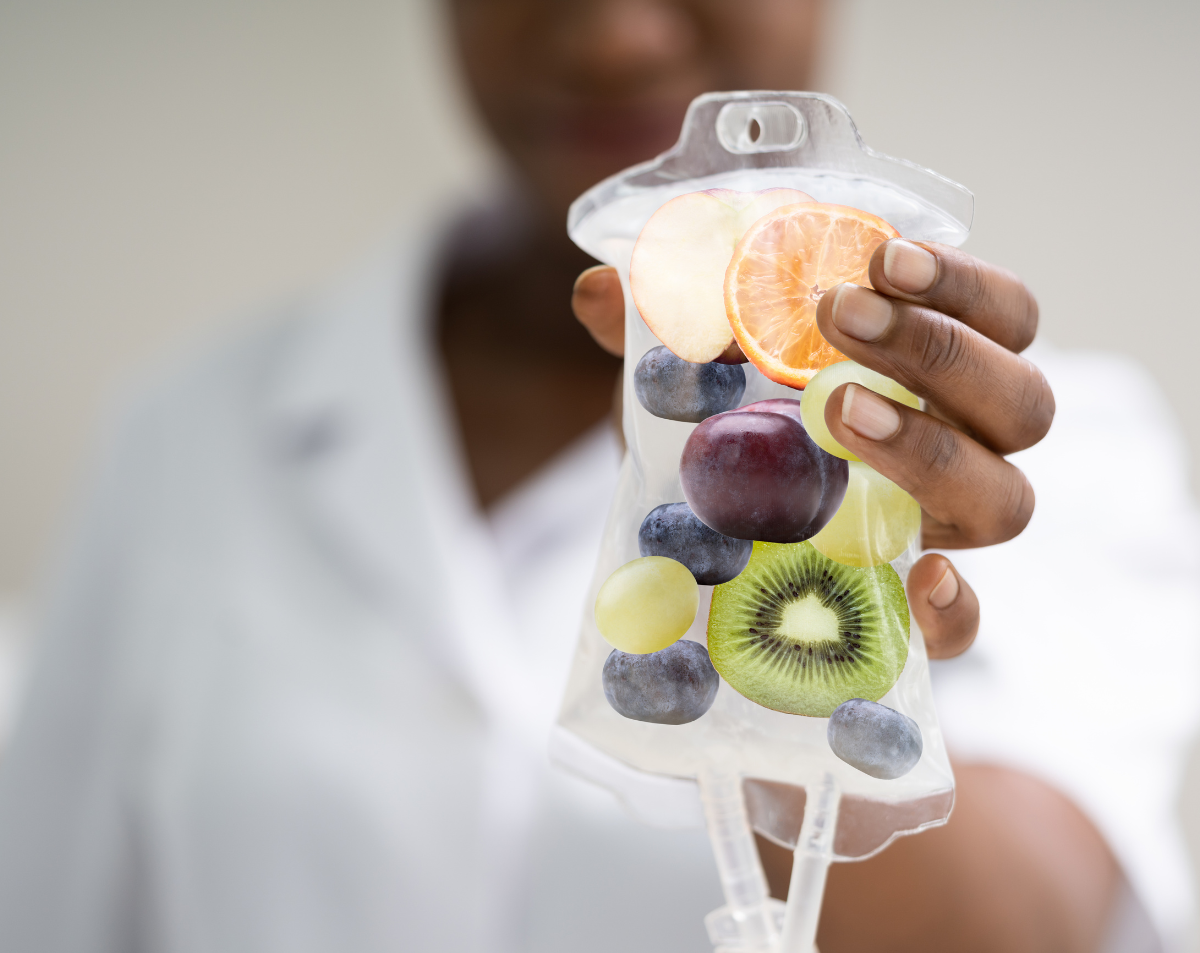
Intravenous (IV) infusion therapy is a medical technique that delivers fluids, medication, and nutrients directly into a patient’s bloodstream. This method bypasses the digestive system completely, and it allows for maximum absorption and immediate availability of the administered substances. It is a procedure performed in outpatient clinics for wellness and hydration. Here is more information on IV infusion therapy:
What Is IV Infusion Therapy?
IV infusion therapy involves the administration of liquid substances directly into a vein through a needle or catheter. A healthcare professional prepares a sterile solution that typically contains saline, vitamins, minerals, and sometimes medication tailored to the patient’s specific health requirements. The solution drips from a bag through a tube and into the patient’s circulatory system, and the rate of delivery is controlled.
The specific formulation of the IV drip depends on the patient’s clinical goals. Some infusions focus strictly on rehydration with electrolyte-balanced fluids, while others aim to boost nutritional status with high doses of vitamins. This customization allows practitioners to address various physiological needs, providing a targeted approach to health management.
Who Undergoes It?
Patients suffering from acute dehydration may require IV therapy to restore fluid balance rapidly; this group includes individuals recovering from intense athletic performance, severe illnesses involving vomiting or diarrhea, or excessive alcohol consumption. Another group that benefits from infusion therapy includes patients managing chronic pain or autoimmune conditions. Arthritis patients may receive biologic medications or anti-inflammatory drugs intravenously to reduce joint pain and stiffness efficiently.
What Does the Process Involve?
The process begins with a comprehensive medical evaluation to review the patient’s health history and current symptoms. A medical professional assesses vital signs to confirm that the patient is a suitable candidate for the procedure. Once cleared, the healthcare provider selects an appropriate vein, usually in the arm or hand, and they clean the skin with an antiseptic solution.
After the site is prepared, the provider inserts a small needle attached to a catheter into the vein. The needle is removed, leaving the flexible catheter in place, and the tubing is secured to the skin to prevent dislodgement during the session. The infusion typically lasts between 30 minutes and 4 hours.
What Are the Benefits?
One primary benefit of IV infusion therapy is the bioavailability of the nutrients and fluids administered. By delivering nutrients directly into the bloodstream, the body utilizes them immediately to support cellular function and energy production. This therapy also allows higher doses of vitamins and minerals to be administered. This capability supports the immune system, and it aids faster recovery from illness or fatigue.
How Can You Enhance Hydration?
Enhanced hydration through IV therapy may improve cardiovascular health and kidney function by enabling adequate blood flow to organs. Dehydrated tissues receive the moisture they need to repair and function better, potentially reducing symptoms such as headaches and muscle cramps. This efficient rehydration process supports overall physical performance, and it helps maintain mental focus.
Consult a Specialist Today
IV infusion therapy provides an efficient way to manage hydration and nutritional needs. It serves a wide range of patients, from those seeking wellness optimization to individuals managing chronic conditions like arthritis. A consultation with a medical professional is necessary to determine if this therapy is appropriate for your specific health situation. Contact a clinic today to discuss your medical history and explore your treatment options.
