
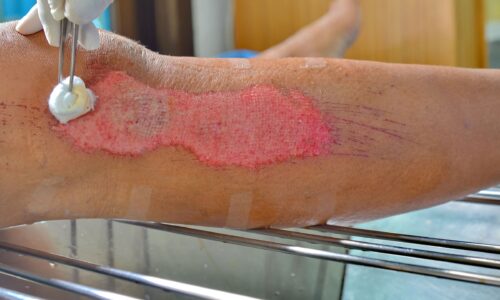
Chronic wounds present persistent challenges often linked to underlying medical conditions, such as diabetes or circulatory issues. These wounds require ongoing, structured care that addresses both local wound factors and broader health concerns. An effective wound care plan includes thorough assessment, targeted interventions, and regular monitoring.
What Is Wound Care?
Wound care involves the treatment and ongoing management of skin and tissue injuries. With some wounds, healing can be delayed due to factors like poor blood flow. Open wounds remain at heightened risk for infection. Without appropriate management, infections can progress and lead to serious outcomes. The primary objectives in treating wounds are to maintain a stable wound environment that supports healing and address systemic health factors that may inhibit closure. Regular assessment helps to identify signs of infection or delayed healing, so interventions can be adjusted as needed.
What Does It Involve?
A comprehensive approach to wound care addresses multiple factors, especially those that influence healing. Care plans are tailored by healthcare professionals to match the wound’s characteristics and address the patient’s health status. Proper wound management ranges from proper tending of the wound to broader lifestyle changes.
Infection Control
Infection monitoring is part of daily wound care. Signs such as redness, warmth, swelling, and unusual odor may indicate local infection, requiring medical attention. Keeping the wound clean using clinically recommended cleansers also limits bacterial contamination and helps maintain a healing environment.
Nutrition
Nutritional status directly impacts wound healing, as adequate protein intake facilitates tissue growth and repair. Micronutrients, such as vitamin C, contribute to immune defense. Addressing nutritional deficits helps create optimal conditions for healing.
Off-Loading
For wounds caused or exacerbated by pressure, removing or redistributing pressure is required. Devices like special footwear, cushions, or mobility aids can reduce mechanical stress on the affected area. This helps to improve circulation and minimize further tissue breakdown.
What Should You Expect After?
The healing timeline for chronic wounds is often extended, which sometimes spans weeks to months. Observing the wound for changes is part of the recovery process. Expansion of the wound after treatment may be observed before healed tissue appears, signaling progress.
Patients may notice fluctuations in discomfort or pain. Management of pain supports adherence to wound care routines and promotes mobility. Ongoing reassessment identifies wounds that are not progressing, prompting changes in the care plan. When standard approaches are insufficient, advanced interventions may be introduced under specialist supervision. Healed wounds can leave scars that differ from normal skin in color, texture, or strength. Protecting new tissue from injury or sun exposure is recommended to preserve skin integrity.
Seek Professional Medical Care
Professional guidance is foundational in developing and following a wound care plan for chronic conditions. Healthcare providers assess both local wound characteristics and underlying medical issues that may delay healing. They have access to advanced therapies not available outside clinical settings and use regular evaluations to make evidence-based adjustments. Should signs of infection or lack of progress develop, prompt medical consultation reduces the risk of complications. Collaboration with specialists supports recovery and long-term health.
