
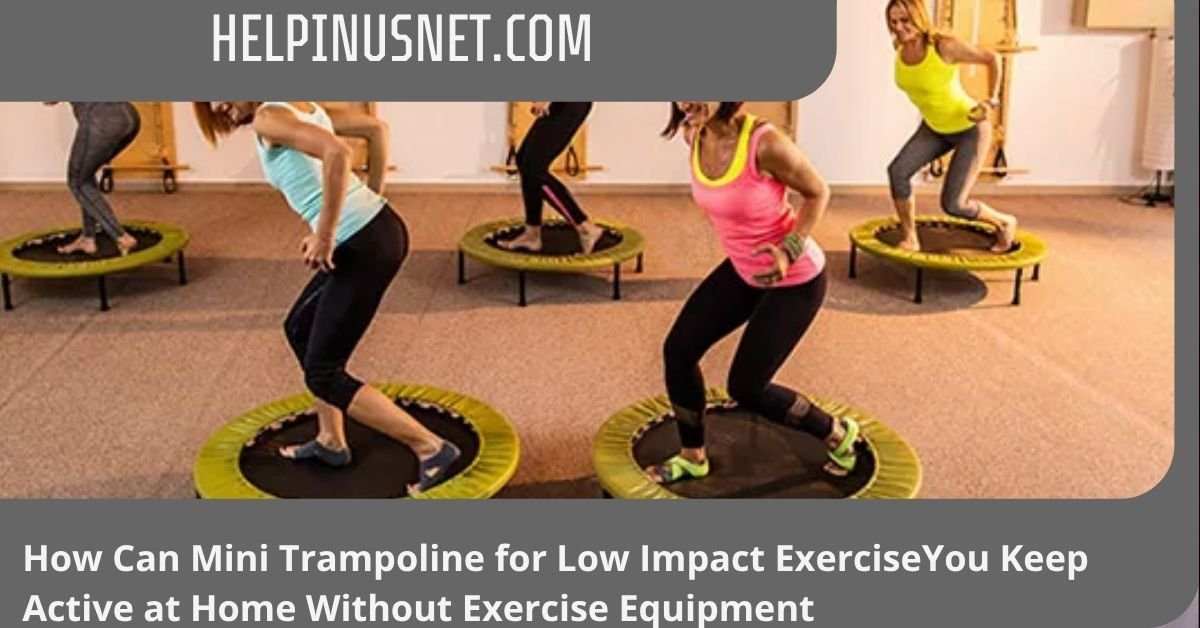
A mini trampoline can be a simple way to add movement to your daily routine without needing a large home gym or a lot of floor space. Often called a rebounder, a mini trampoline is a small exercise trampoline designed for controlled movements such as gentle bouncing, marching, balance work, and light aerobic exercise.
For people looking for low impact exercise, a mini trampoline may be an interesting option. The flexible surface can reduce some of the hard impact associated with exercising on a solid floor. At the same time, bouncing still creates resistance that requires the muscles to work and the body to stabilize itself.
However, “low impact” does not mean “risk-free” or “easy for everyone.” Technique, equipment quality, balance, fitness level, and existing health conditions all matter. A mini trampoline should be used as one part of a balanced exercise routine rather than as a guaranteed solution for fitness or weight loss.
This guide explains how mini trampolines work, their potential benefits, how to use one safely, what exercises beginners can try, how to choose equipment, and what to consider before adding rebounding to a fitness routine.
What Is a Mini Trampoline for Low Impact Exercise?
A mini trampoline for low impact exercise is a compact rebounder made for controlled indoor movement. Unlike large recreational trampolines, exercise rebounders are generally designed for one person and are used for activities such as gentle bouncing, marching, balance exercises, and low-impact cardio.
The surface moves downward when you apply your body weight. As it returns upward, it creates a spring-like response. This allows you to perform rhythmic movements without repeatedly landing on a hard floor.
A mini trampoline can be used for several types of exercise, including:
- Gentle bouncing
- Marching in place
- Low-impact cardio
- Balance exercises
- Mobility movements
- Light strength exercises
- Warm-ups and cool-downs
- Coordination exercises
The exact level of impact depends on how you use the rebounder. A slow march or gentle bounce is very different from repeated high jumps.
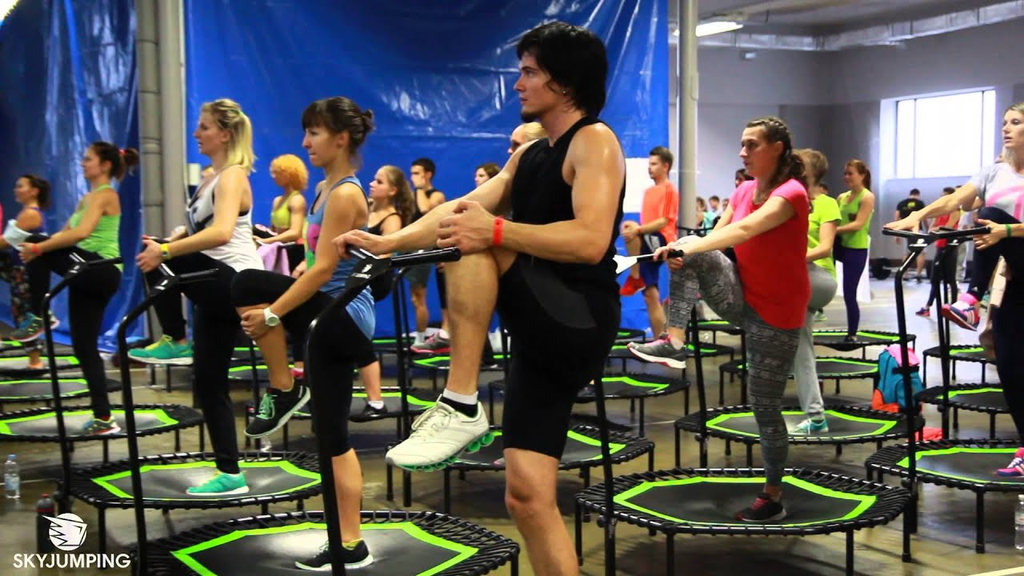
Is a Mini Trampoline Low Impact?
Yes, a mini trampoline can provide a low-impact form of exercise when used with controlled movements.
Low impact generally means that an activity places less jarring force on the joints than higher-impact activities such as running or repeated jumping on a hard surface. The trampoline mat and springs or elastic bands allow some movement beneath the body.
However, the amount of impact varies.
A gentle bounce with both feet close to the mat may be relatively low impact. Higher jumps, fast movements, or aggressive bouncing can increase the forces placed on the body.
This is one of the most important things to understand about a mini trampoline for low impact exercise: the equipment does not automatically make every workout low impact. Your movement, speed, landing technique, and fitness level influence the intensity.
How Does Rebounding Work?
Rebounding uses the elastic surface of a mini trampoline to create resistance and movement.
When you press into the surface, the mat moves downward. The springs or elastic cords then return toward their original position. Your muscles control your body as you move down and back up.
Several parts of the body can become involved:
- Legs help create and control movement.
- Glutes help with hip extension and stability.
- Core muscles help keep the trunk controlled.
- Calves and ankles help manage movement.
- Arms can be added to increase coordination and exercise intensity.
Because the surface moves underneath you, balance can also become part of the workout.
A useful way to think about rebounding is that it combines rhythmic movement with balance and muscular control.
Potential Benefits of a Mini Trampoline for Low Impact Exercise
A mini trampoline may offer several useful benefits when it is used consistently and safely.
1. It Can Provide Cardiovascular Exercise
Gentle bouncing and marching can raise your heart rate. Increasing the pace or adding arm movements can make the workout more challenging.
Cardiovascular exercise supports overall fitness and can help improve endurance when performed regularly.
The important factor is not how impressive the bouncing looks. The goal is to create an appropriate level of physical activity that you can perform consistently.
2. It Can Be Easier on the Joints Than Some High-Impact Activities
Running and jumping on hard surfaces can create repeated impact. A rebounder provides a moving surface that may make certain movements feel more comfortable.
This can make a mini trampoline appealing to adults who want an alternative to traditional jogging or jumping workouts.
Still, people with joint pain should not assume that a rebounder is automatically appropriate. Pain during exercise is a reason to stop and consider professional advice.
3. It Can Support Balance and Coordination
The surface of a rebounder is less stable than a solid floor. Your body must make small adjustments to maintain control.
Simple movements can challenge:
- Balance
- Body awareness
- Coordination
- Lower-body control
- Core stability
Beginners should start with both feet on the surface and slow movements before attempting more challenging exercises.
4. It Can Be Convenient for Home Workouts
One major advantage is convenience.
A mini trampoline generally takes much less space than a treadmill, elliptical machine, or full-size trampoline. Some models can also be stored when they are not being used.
Convenience can make a difference in exercise consistency. If an activity is easy to access, some people may be more likely to use it regularly.
5. It Can Add Variety to a Fitness Routine
Doing the same workout every day can become boring. A rebounder can introduce a different type of movement.
For example, someone might combine:
- Walking
- Strength training
- Stretching
- Mobility work
- Mini trampoline exercise
Variety can make an exercise routine more enjoyable while allowing different forms of physical activity throughout the week.
6. It Can Be Used for Short Workouts
You do not necessarily need a long workout session to use a rebounder.
A short session might include a warm-up, gentle bouncing, marching, and a cool-down.
For people with busy schedules, short periods of movement can be easier to fit into the day than a long gym session.
7. It May Make Exercise Feel More Enjoyable
Enjoyment matters.
If someone likes bouncing more than running, cycling, or using a traditional cardio machine, a rebounder may help make regular movement feel less like a chore.
The best exercise is often the activity that is safe, suitable, and realistic enough to continue over time.
Mini Trampoline vs. Walking for Low Impact Exercise
Walking remains one of the simplest forms of low-impact exercise. It requires little equipment and can be done indoors or outdoors.
A mini trampoline provides a different experience.
Walking primarily involves forward movement over a stable surface. Rebounding adds an unstable, spring-like surface and can involve more balance and coordination.
Neither is automatically better.
Walking may be more convenient for someone who wants to exercise outside or does not want to purchase equipment. A mini trampoline may appeal to someone who prefers indoor exercise and enjoys rhythmic bouncing.
The best choice depends on your goals, preferences, physical abilities, available space, and budget.
Can a Mini Trampoline Help With Weight Loss?
A mini trampoline can contribute to an active lifestyle and may help increase energy expenditure, but it should not be viewed as a magic weight-loss tool.
Weight change is influenced by many factors, including:
- Overall calorie intake
- Physical activity
- Sleep
- Stress
- Genetics
- Age
- Medications
- Medical conditions
- Long-term lifestyle habits
Rebounding can be part of a weight-management plan when it helps you stay physically active.
For sustainable results, focus on a combination of regular physical activity, appropriate nutrition, adequate recovery, and realistic long-term habits.
Claims that a particular trampoline workout will automatically “burn fat” or produce rapid weight loss should be treated carefully.
Does Rebounding Build Muscle?
Rebounding is primarily a cardiovascular and movement activity, but it also requires muscles to control the body.
The legs and hips are especially involved. The abdominal and back muscles may also work to maintain posture and stability.
However, a mini trampoline should not completely replace resistance training.
If your goal is to build or maintain muscle, consider adding exercises such as:
- Squats
- Lunges
- Step-ups
- Resistance-band exercises
- Bodyweight exercises
- Weight training
A balanced fitness program can include both cardiovascular activity and muscle-strengthening exercise.
Mini Trampoline Exercises for Beginners
If you are new to rebounding, begin slowly. You do not need to jump high.
Basic Bounce
Stand in the center of the rebounder with your feet about hip-width apart.
Keep your knees slightly bent. Start with very small movements.
Think about pressing gently into the mat rather than jumping high into the air.
Keep your torso controlled and hold onto a stability bar if your equipment has one and you need additional support.
Marching in Place
Lift one foot slightly and then the other.
Keep the movement slow and controlled.
As you become comfortable, gradually increase the pace.
This is a useful beginner exercise because you can control the height and speed of each movement.
Side-to-Side Weight Shifts
Shift your weight gently from one foot to the other.
This can help beginners become familiar with how the rebounder responds to body movement.
Keep your feet connected to the mat and avoid rushing.
Gentle Heel Lifts
Keep your toes on the mat and raise your heels slightly.
Lower them slowly.
This movement can help introduce the rebounder to your calves and ankles without requiring large jumps.
Arm Movements
Once your lower-body movement feels comfortable, add controlled arm movements.
For example, you can move your arms forward and backward while marching.
Adding the arms can make the exercise more challenging without requiring larger jumps.
Mini Squats
Stand with your feet comfortable and perform shallow squats.
Keep the movement controlled.
Do not drop deeply into the squat unless you are comfortable and have appropriate mobility.
Also Read: How Can You Keep Active at Home Without Exercise Equipment?
Slow March With Arm Raises
March gently while raising your arms to a comfortable level.
This combines coordination, cardiovascular movement, and upper-body motion.
Beginners should focus on control rather than speed.
A Simple Beginner Mini Trampoline Workout
A beginner routine could look like this:
Warm-Up
Spend several minutes standing, marching slowly, and moving your arms.
The goal is to gradually prepare your body for exercise.
Gentle Bounce
Perform small controlled bounces for a few minutes.
Keep the movement comfortable.
March
March in place at an easy-to-moderate pace.
Side-to-Side Movement
Shift your weight gently from side to side.
Gentle Bounce With Arm Movement
Add relaxed arm movements if you feel stable.
Cool-Down
Slow the movement gradually and finish with gentle stretching or mobility work.
The exact workout length should depend on your current fitness level. Beginners may benefit from short sessions and gradual progression rather than trying to exercise intensely on the first day.
How Often Should You Use a Mini Trampoline?
There is no single perfect schedule for everyone.
A practical approach is to start with a manageable amount of exercise and gradually increase frequency, duration, or intensity as your body adapts.
For general health, adults should aim for regular aerobic physical activity and muscle-strengthening activity as recommended by major U.S. public-health and medical organizations.
A mini trampoline can count toward aerobic activity when the movement is intense enough to raise your heart rate.
You can also combine rebounder workouts with walking, cycling, swimming, strength training, and other activities.
How to Use a Mini Trampoline Safely
Safety should come before intensity.
Check the Equipment Before Every Workout
Look at the mat, frame, springs, elastic cords, legs, and other components.
Do not use the rebounder if you notice:
- Tears
- Loose components
- Damaged springs
- Broken parts
- Unstable legs
- Excessive frame movement
Follow the manufacturer’s inspection and maintenance instructions.
Place It on a Stable Surface
Use the rebounder on a level surface.
Avoid placing it where it can slide into furniture, walls, stairs, or other hazards.
Make sure there is adequate space around the equipment.
Start With Small Movements
You do not need to jump high.
Small, controlled movements are often easier for beginners to manage.
Increase intensity gradually as you develop confidence and coordination.
Keep Your Knees Soft
Avoid locking your knees while bouncing.
A slight bend can help you control movement.
Stay Near the Center
Moving toward the edge can reduce stability.
Beginners should learn to control their position near the center of the mat.
Use a Stability Bar When Appropriate
Some rebounders include a handle or stability bar.
A bar can provide additional support, particularly for people who are still learning balance.
However, do not pull aggressively on the bar. It is primarily intended to assist with stability.
Wear Appropriate Footwear
Some people prefer exercising barefoot on a rebounder, while others prefer supportive athletic shoes.
There is no universal rule that works for everyone. Choose an option that provides comfortable footing and follows the equipment manufacturer’s guidance.
Stop If Something Feels Wrong
Stop exercising if you experience significant pain, dizziness, fainting, unusual shortness of breath, chest discomfort, or another concerning symptom.
Do not try to “push through” unexplained symptoms.
Who Should Be Careful With Rebounder Exercise?
A mini trampoline is not suitable for every person or every situation.
People who have concerns involving balance, significant joint problems, recent injuries, cardiovascular conditions, or other medical issues should consider speaking with a healthcare professional before beginning a new exercise program.
Older adults or people with a history of falls may also need additional stability support.
Pregnant individuals should follow advice from their healthcare professional regarding appropriate exercise.
The right exercise choice depends on the individual rather than the equipment alone.
Is a Mini Trampoline Safe for Older Adults?
It can be used by some older adults, but safety and balance are especially important.
A gentle rebounder routine may provide movement without requiring outdoor walking space. However, the unstable surface can also increase the challenge to balance.
Older adults should consider:
- Starting with very gentle movement
- Using a stable support bar when appropriate
- Keeping sessions short at first
- Exercising in a clear area
- Avoiding high jumps
- Stopping if balance becomes difficult
If there are concerns about falling, dizziness, bone health, or existing medical conditions, professional guidance is appropriate.
Mini Trampoline for Low Impact Exercise and Joint Health
People often search for rebounders because they want exercise that feels easier on their joints.
A trampoline can reduce the hard sensation of landing on a solid floor, but that does not mean it is appropriate for every joint problem.
The best approach is to monitor how your body responds.
If an exercise causes repeated pain or swelling, reduce or stop the movement and consider discussing the problem with a healthcare professional.
It may also be helpful to compare rebounding with other low-impact options such as swimming, stationary cycling, walking, or elliptical exercise.
Can You Use a Mini Trampoline Every Day?
Some people may be able to use a rebounder frequently, especially for gentle movement. However, daily high-intensity exercise is not necessary for everyone.
Recovery is part of fitness.
If your muscles remain sore, your joints hurt, or you feel unusually tired, reduce your workout intensity or take a rest day.
A good long-term routine should allow your body enough time to recover.
How to Choose the Best Mini Trampoline for Low Impact Exercise
Choosing a rebounder involves more than looking at the price.
Stability
A stable frame and well-designed legs are important.
The rebounder should remain steady during normal use.
Mat Size
A larger mat can provide more room for movement, which may be useful for beginners.
A smaller rebounder may be easier to store but can require more precise foot placement.
Springs vs. Elastic Cords
Rebounders may use metal springs or elastic resistance systems.
Both designs can provide a bouncing surface, but the feel can differ.
Some users prefer the predictable feel of springs, while others like the quieter or softer feel of elastic systems.
Weight Capacity
Check the manufacturer’s stated weight limit.
Do not assume that all mini trampolines have the same capacity.
Stability Bar
A handlebar can be useful for beginners or people who want additional balance support.
It can also make the equipment larger, so consider your available space.
Noise
If you live in an apartment or share walls with neighbors, noise may be important.
Read the manufacturer’s specifications and user reviews carefully, but remember that actual noise can depend on the floor and how the equipment is used.
Portability and Storage
Consider where you will store the rebounder.
A folding design may be convenient for smaller homes, but check whether folding components maintain adequate stability when assembled.
Warranty and Replacement Parts
A reputable manufacturer should provide clear information about warranties, replacement parts, and maintenance.
This can matter because springs, cords, and mats can eventually wear out.
What Features Matter Most for Beginners?
For many beginners, the most useful features are:
- Stable construction
- Appropriate weight capacity
- A comfortable mat
- Reliable springs or elastic cords
- Adequate mat size
- Optional stability support
- Clear assembly instructions
- Replacement-part availability
- A reasonable warranty
Fancy features are less important than safety and durability.
A simple, stable rebounder can be more useful than a complicated model that is difficult to assemble or maintain.
Common Mistakes When Using a Mini Trampoline
Jumping Too High
High jumps can make the exercise more difficult and increase the chance of losing balance.
Beginners should start low.
Exercising Too Hard Too Soon
Feeling energetic during the first workout can tempt you to do too much.
Progress gradually.
Ignoring Equipment Damage
A damaged mat or worn component can create a safety problem.
Inspect the rebounder regularly.
Standing Too Close to the Edge
Stay centered whenever possible.
Using a Rebounder in a Crowded Area
Furniture, pets, stairs, and other obstacles can increase the risk of injury.
Create a clear exercise area.
Treating Rebounding as a Complete Fitness Program
Cardio is only one part of fitness.
Strength, mobility, balance, and recovery also matter.
Mini Trampoline for Low Impact Exercise: Pros and Cons
Potential Pros
- Compact equipment
- Convenient for home workouts
- Can provide aerobic activity
- Offers a different movement experience
- Can be used with gentle movements
- May be easier to enjoy than traditional cardio
- Can support balance and coordination
- Suitable for short exercise sessions
Potential Cons
- Requires equipment purchase
- Needs storage space
- Can still cause injuries if used incorrectly
- May be challenging for people with poor balance
- Equipment quality varies
- Some models can produce noise
- Does not replace strength training
- Not appropriate for everyone
Mini Trampoline vs. Treadmill
A treadmill provides walking or running on a stable moving belt. A rebounder provides movement on a flexible surface.
A treadmill may be better for people who want controlled walking or running and precise speed settings.
A rebounder may be more appealing to people who want a compact indoor activity involving bouncing and balance.
Neither is universally superior.
The better choice is the one that matches your goals, physical needs, available space, budget, and exercise preferences.
Mini Trampoline vs. Elliptical
An elliptical machine provides a guided movement pattern and often includes adjustable resistance.
A mini trampoline is generally smaller and may be easier to store.
The elliptical can be useful for structured cardiovascular workouts, while the rebounder provides more freedom of movement.
Again, the best choice depends on the person.
Mini Trampoline vs. Stationary Bike
A stationary bike primarily works the legs through a repeated pedaling motion. A rebounder uses standing movement and requires balance.
People with certain balance concerns may prefer a seated cycling option.
Others may prefer the full-body movement and variety of rebounding.
When choosing between equipment, think about what you can use safely and consistently.
Can a Mini Trampoline Improve Balance?
It may help challenge balance because the surface moves beneath your feet.
However, balance training should be progressive.
Beginners should first master stable movements with both feet on the mat.
More challenging movements should only be introduced when basic control is reliable.
For people at higher risk of falling, balance training may be better performed with professional guidance.
Does Rebounding Improve Lymphatic Drainage?
You may see claims online that bouncing on a mini trampoline dramatically “detoxes” the body or guarantees lymphatic drainage.
These claims are often much stronger than the available evidence supports.
The lymphatic system naturally circulates lymph through the body, and regular movement supports normal circulation.
However, there is no need to rely on dramatic “detox” claims to justify exercise.
The more established reasons to exercise include improving cardiovascular fitness, muscular function, physical activity levels, and overall health.
Also Read: How Many Calories Does Low Impact Cardio Trampoline Burn?
Mini Trampoline Exercise and Mental Well-Being
Physical activity can support overall mental well-being.
Some people find rhythmic exercise enjoyable and relaxing. A short indoor workout can also provide a break from sitting and screen time.
However, a rebounder should not be presented as a treatment for a mental health condition.
If you are experiencing persistent emotional or psychological symptoms, appropriate professional support is important.
How to Make Mini Trampoline Exercise More Effective
You do not need complicated workouts to make rebounding useful.
Try these principles:
Increase Duration Gradually
Start with a manageable workout and slowly increase the amount of time.
Increase Intensity Carefully
You can increase the pace or add arm movements before attempting higher jumps.
Combine Cardio and Strength
Pair rebounder workouts with resistance exercises.
Focus on Consistency
Regular moderate exercise is usually more useful than occasional extreme workouts.
Track How You Feel
Pay attention to energy, soreness, balance, and discomfort.
Your response to exercise can help guide progression.
A Sample Weekly Low-Impact Fitness Plan
A balanced week might include several types of activity.
For example:
Monday: Gentle mini trampoline workout
Tuesday: Walking and basic strength exercises
Wednesday: Rest or light mobility
Thursday: Mini trampoline cardio
Friday: Strength training
Saturday: Walking, cycling, or another enjoyable activity
Sunday: Rest or gentle movement
This is only an example. Your schedule should reflect your fitness level, health needs, and personal goals.
Frequently Asked Questions About Mini Trampolines for Low Impact Exercise
1. Can I use a mini trampoline if I have never exercised before?
Beginners can start with very gentle movements if the activity is appropriate for them. Begin with basic marching and small weight shifts rather than high bouncing. If you have medical concerns or significant balance problems, ask a healthcare professional before starting.
2. How much space do I need for a mini trampoline workout?
You need enough clear space for the rebounder plus room around it so you will not hit furniture, walls, doors, stairs, or other objects. Ceiling height should also be considered if you plan to perform movements that involve raising your arms.
3. Can I use a mini trampoline while watching television?
You can use a rebounder while watching television if you can maintain good posture, balance, and awareness. Avoid becoming so distracted that you stop paying attention to your footing. Safety should remain the priority.
4. How long does a mini trampoline usually last?
The lifespan varies based on construction, frequency of use, user weight, maintenance, and component quality. Inspect the mat, frame, springs, and cords regularly and follow the manufacturer’s replacement recommendations.
5. Should I stretch before or after using a mini trampoline?
A gentle warm-up is useful before exercise. Afterward, light stretching or mobility work can be included if it feels comfortable. Stretching should not cause pain, and a warm-up should involve gradual movement rather than aggressive static stretching.
Conclusion
A mini trampoline for low impact exercise can be a convenient and enjoyable way to add more movement to a home fitness routine. Gentle bouncing, marching, and controlled weight shifts can provide cardiovascular activity while also challenging coordination and balance.
Its biggest advantage may be simplicity. A rebounder takes up relatively little space and can support short workouts without requiring a trip to a gym.
At the same time, it is important to keep expectations realistic. A mini trampoline is not a cure-all for weight loss, joint problems, or overall health. It also does not eliminate the possibility of injury. Safe equipment, proper technique, gradual progression, and appropriate exercise choices remain important.
For most people, the best approach is to view rebounding as one useful tool among many. Combine it with walking, strength training, mobility work, and adequate recovery to create a balanced fitness routine.
If you are considering a mini trampoline because you want a lower-impact alternative to running or traditional jumping, start slowly and pay attention to how your body responds. With the right equipment and sensible progression, a rebounder can become a practical part of an active lifestyle.
