

Staying active is one of the simplest ways to support better health, stronger muscles, better mood, and more energy. You do not need an expensive gym membership, advanced equipment, or a complicated workout plan to keep active. Everyday activities such as walking, taking the stairs, gardening, cleaning, cycling, dancing, playing with children, and doing planned exercise can all help you move more.
For many people in the United States, the biggest challenge is not knowing that physical activity is important. The harder part is finding realistic ways to fit movement into a busy schedule. Work, commuting, family responsibilities, screen time, school, and long periods of sitting can make it easy to become less active.
The good news is that physical activity does not have to happen all at once. Current U.S. guidance recommends that most adults get at least 150 minutes of moderate-intensity aerobic activity each week, along with muscle-strengthening activity on at least two days each week. Some activity is better than none, and people can build toward these goals gradually.
This guide explains what it means to keep active, why daily movement matters, how much activity adults need, simple ways to become more active, common mistakes to avoid, and practical ideas for different ages and lifestyles.
What Does “Keep Active” Mean?
To keep active means to regularly move your body instead of spending most of your waking hours sitting or lying down.
Physical activity includes much more than traditional exercise. It can include:
- Walking around your neighborhood
- Riding a bicycle
- Swimming
- Dancing
- Gardening
- Cleaning the house
- Playing sports
- Walking a dog
- Taking the stairs
- Doing strength exercises
- Stretching and mobility exercises
- Doing physically active hobbies
- Walking during work breaks
- Playing with children
- Doing household chores
This broader definition is important because many people believe they need a formal workout to be active. They do not.
A 30-minute gym session can be useful, but so can several short periods of movement throughout the day. Current CDC guidance emphasizes that adults who sit less and perform any amount of moderate- or vigorous-intensity physical activity can gain health benefits.
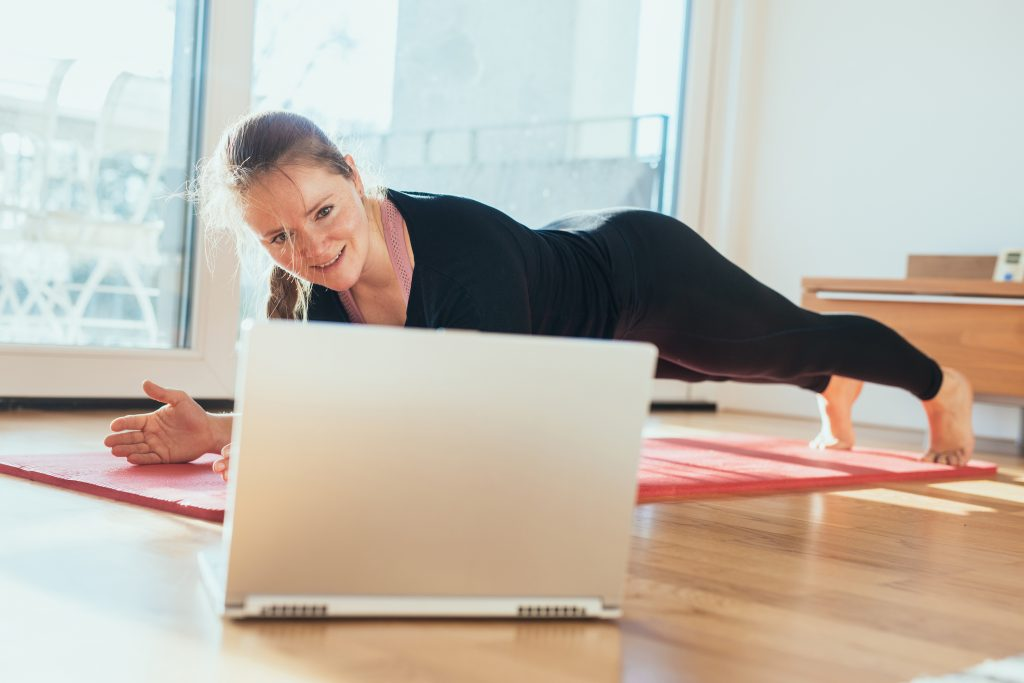
In simple terms, keeping active means finding regular opportunities to move.
Why Is It Important to Keep Active?
Regular physical activity supports many parts of health. It can help the heart, muscles, bones, brain, mood, sleep, balance, and ability to perform everyday tasks.
According to the CDC, even one session of moderate- to vigorous-intensity activity can provide immediate benefits, including better sleep quality, lower feelings of anxiety, and temporary reductions in blood pressure. Regular activity is also associated with lower risks of heart disease, stroke, type 2 diabetes, some cancers, depression, and other health problems.
The benefits can be grouped into several areas.
Keep Active for Heart Health
Your heart is a muscle that works continuously. Regular aerobic activity makes the cardiovascular system work harder and can improve fitness over time.
Activities such as brisk walking, cycling, swimming, and dancing can raise your heart rate while allowing you to remain active for several minutes at a time.
Regular physical activity can help reduce the risk of cardiovascular disease and stroke. It can also support healthier blood pressure and blood sugar levels.
You do not need to become an athlete to support heart health. Consistency matters more than having an extreme workout routine.
Keep Active for Stronger Muscles
Muscles become stronger when they are regularly challenged.
Strength training can include:
- Bodyweight exercises
- Resistance bands
- Hand weights
- Weight machines
- Free weights
- Certain yoga movements
- Exercises using everyday objects when appropriate
U.S. recommendations advise adults to perform muscle-strengthening activities on at least two days each week and to work all major muscle groups.
Strength matters for more than appearance. It helps with everyday activities such as carrying groceries, climbing stairs, getting out of a chair, lifting objects, and maintaining independence as you age.
Keep Active for Better Mental Well-Being
Physical activity can also support mental health.
Movement can help reduce short-term feelings of anxiety and may support better mood and sleep. Regular physical activity is also associated with a lower risk of depression.
This does not mean exercise replaces professional mental health care. However, regular movement can be one useful part of a broader approach to emotional well-being.
A short walk outside can also provide a mental break from work, studying, or screen time.
Keep Active for Better Sleep
Many adults struggle to get enough quality sleep.
Regular physical activity can support better sleep quality. The CDC lists improved sleep as one of the immediate benefits associated with physical activity.
A practical approach is to find activities you enjoy and perform them regularly rather than exercising only occasionally.
If exercise late in the day seems to interfere with your sleep, try moving your workout earlier and see whether that makes a difference.
Keep Active for Healthy Aging
Physical activity becomes especially important as people get older.
For adults age 65 and older, regular activity can support bone strength, balance, coordination, brain health, heart health, and independent living. It can also help reduce the risk of falls.
Older adults should not assume that getting older means they should stop moving. Instead, activity should be adjusted to ability, health status, balance, strength, and personal goals.
How Much Should Adults Keep Active?
For most adults ages 18 to 64, current U.S. physical activity recommendations call for:
- At least 150 minutes of moderate-intensity aerobic activity each week, or
- At least 75 minutes of vigorous-intensity aerobic activity each week, or
- An equivalent combination of moderate and vigorous activity
- Muscle-strengthening activities on at least two days each week
The weekly aerobic target can be divided into smaller periods. For example, 30 minutes of moderate activity on five days can meet the 150-minute target.
The CDC also notes that people can gain additional health benefits by going beyond the minimum amount of activity.
The World Health Organization similarly recommends 150 to 300 minutes of moderate aerobic activity per week, or the equivalent amount of vigorous activity, for adults.
What Counts as Moderate Activity?
Moderate activity generally makes you breathe faster and raises your heart rate, but you can still talk.
Examples include:
- Brisk walking
- Recreational cycling
- Water aerobics
- Dancing
- Some forms of hiking
- Active household work
A simple way to think about moderate intensity is the “talk test.” If you can talk but cannot comfortably sing a full song while exercising, the activity may be around moderate intensity.
Individual fitness levels vary, so the same activity may feel easy for one person and challenging for another.
What Counts as Vigorous Activity?
Vigorous activity makes you breathe much harder and raises your heart rate more substantially.
Examples may include:
- Running
- Fast cycling
- Swimming laps
- High-intensity aerobic exercise
- Some competitive sports
People who are new to exercise do not need to begin with vigorous activity. Starting with comfortable movement and gradually increasing intensity can be a more practical approach.
Keep Active by Moving More and Sitting Less
Modern life can involve long periods of sitting.
People may sit while:
- Working at a desk
- Driving
- Watching television
- Using a phone
- Playing video games
- Studying
- Browsing the internet
- Attending meetings
Reducing long periods of inactivity can be an important part of an active lifestyle. WHO identifies sedentary behavior as waking activity involving very low energy expenditure, such as sitting, reclining, or lying down, and notes associations between higher sedentary time and several health risks.
This does not mean you must avoid sitting completely. Rest is important. The goal is to create more opportunities to move throughout the day.
Try standing up regularly, walking during phone calls, taking short movement breaks, or choosing stairs when practical.
Simple Ways to Keep Active Every Day
You do not have to completely change your lifestyle to become more active. Small changes can add up.
Walk More
Walking is one of the easiest forms of physical activity.
Consider:
- Taking a short walk after meals
- Walking while talking on the phone
- Parking farther from a destination
- Walking to nearby errands
- Taking a 10-minute walking break at work
- Exploring a local park
- Walking with friends or family
Walking is also easy to adjust. You can start slowly and increase your pace or distance over time.
Take the Stairs
When it is safe and practical, taking stairs instead of an elevator can add more movement to your day.
If you are not used to stairs, start with one flight and gradually build up.
Make Household Chores More Active
Housework can involve movement.
Vacuuming, sweeping, gardening, carrying laundry, cleaning, and other chores can help you spend less time sitting.
Household activity should not necessarily replace planned exercise, especially when you need strength or aerobic training. However, it is a useful way to increase daily movement.
Move During Work Breaks
Desk-based work can make people sit for hours.
Try:
- Standing during phone calls
- Walking during short breaks
- Stretching gently
- Walking to speak with a coworker when appropriate
- Taking a short walk at lunch
- Using stairs during the workday
Even simple movement can make a sedentary workday feel less physically inactive.
Choose Active Social Activities
Social time does not always have to involve sitting.
Instead of meeting only for a meal or coffee, consider:
- Going for a walk
- Visiting a park
- Playing a recreational sport
- Going bowling
- Hiking
- Dancing
- Exploring a museum on foot
Combining social connection with movement can make physical activity more enjoyable.
How to Start Keeping Active If You Are Inactive
Starting can feel difficult when exercise has not been part of your routine.
The best approach is often to begin with a manageable amount.
Start Small
You do not need to immediately reach 150 minutes per week.
For example, begin with a 10-minute walk several days a week. After that feels comfortable, add a few minutes or another day.
The CDC specifically emphasizes that some physical activity is better than none.
Choose Activities You Like
The “best” activity is often the activity you will continue doing.
If you dislike running, you do not have to run.
You might prefer:
- Walking
- Swimming
- Cycling
- Dancing
- Hiking
- Strength training
- Yoga
- Group fitness
- Recreational sports
Enjoyment can make consistency easier.
Set Small Goals
Instead of saying, “I need to get fit,” create a specific goal.
For example:
“I will walk for 15 minutes after dinner on Monday, Wednesday, Friday, and Saturday.”
Specific goals are easier to follow than vague goals.
Increase Activity Gradually
Doing too much too soon can lead to excessive soreness, fatigue, or injury.
A gradual increase gives your body time to adapt.
If an activity causes significant pain, stop and reassess rather than trying to push through it.
A Simple Weekly Keep Active Plan
A basic weekly plan could look like this:
| Day | Activity |
| Monday | 30-minute brisk walk |
| Tuesday | Strength training |
| Wednesday | 30-minute walk or cycling |
| Thursday | Light movement and stretching |
| Friday | 30-minute brisk walk |
| Saturday | Strength training plus recreational activity |
| Sunday | Easy walk or active household tasks |
This is only an example. There is no single perfect schedule.
A person with a busy work schedule might divide activity into shorter periods. Someone who enjoys longer weekend activities may prefer a different pattern.
The important goal is regular movement that fits your life.
How to Keep Active at Work
Work is one of the biggest opportunities to increase daily movement.
If you work at a desk, consider creating “movement triggers.” These are regular events that remind you to move.
For example:
- Stand after finishing a meeting
- Walk when taking a phone call
- Take the stairs once or twice during the day
- Walk during lunch
- Stand while reading short messages
- Take a brief movement break between tasks
If you work from home, it can be even easier to fall into long periods of sitting. Setting reminders or connecting movement with regular work routines can help.
The goal is not to turn the workplace into a gym. It is simply to avoid remaining in one position for unnecessarily long periods.
How to Keep Active Without a Gym
A gym can be useful, but it is not required.
At home, you can use:
- Bodyweight exercises
- Resistance bands
- A yoga mat
- Light dumbbells
- Walking
- Stair climbing
- Online exercise classes
- Dance
- Household activities
A simple home strength routine might include movements such as squats, wall push-ups, lunges, and resistance-band exercises, depending on your ability.
People with injuries, medical conditions, or significant physical limitations should choose exercises appropriate for their situation and seek professional guidance when necessary.
Keep Active for Weight Management
Physical activity uses energy and can support healthy weight management.
However, weight is influenced by many factors, including food intake, sleep, genetics, medications, age, stress, health conditions, and other lifestyle factors.
This means exercise should not be viewed simply as a way to “burn off” food.
A healthier perspective is to see physical activity as part of overall health.
Regular movement can help maintain physical function, support cardiovascular health, improve fitness, and reduce the risk of weight gain. CDC guidance lists healthy weight and reduced risk of weight gain among the benefits associated with regular physical activity.
Keep Active as You Get Older
Older adults can benefit from aerobic activity, muscle strengthening, and balance exercises.
For adults age 65 and older, federal recommendations include at least 150 minutes of moderate-intensity aerobic activity each week, muscle strengthening on at least two days, and balance activities.
Examples of balance-focused activity can include exercises that safely challenge stability.
The exact activity should match the person’s abilities. Someone with limited mobility may need seated exercises, assisted walking, physical therapy, or other modified activities.
For older adults, the goal is not simply fitness. Staying active can help support independence and the ability to perform everyday tasks.
Keep Active With a Busy Schedule
A lack of time is one of the most common barriers to physical activity.
Instead of waiting for a free hour, look for small blocks of time.
For example:
- Walk for 10 minutes before work
- Take a 10-minute walk at lunch
- Walk for 10 minutes after dinner
Three 10-minute walks equal 30 minutes of movement.
You can also combine exercise with activities you already need to do.
Walk while listening to a podcast. Take a walking meeting when appropriate. Use active transportation for short trips. Play outside with your children.
The key insight is that physical activity can be integrated into life rather than treated as a completely separate responsibility.
How Technology Can Help You Keep Active
Technology can support an active lifestyle when used wisely.
Common tools include:
- Step counters
- Fitness watches
- Smartphone activity apps
- Workout apps
- Online exercise videos
- Calendar reminders
- Activity trackers
These tools can help you notice patterns.
For example, you may discover that you are active on weekends but spend most weekdays sitting.
The purpose of tracking should be to increase awareness, not create unnecessary pressure.
A person does not need to reach a particular step number every day to be healthy. The CDC’s current guidance focuses on overall physical activity rather than requiring everyone to achieve a universal daily step target.
Is 10,000 Steps a Day Necessary to Keep Active?
No.
The idea that everyone must walk exactly 10,000 steps each day is popular, but it is not the central U.S. physical activity recommendation.
Current CDC guidance focuses on minutes of moderate- or vigorous-intensity activity, muscle strengthening, and reducing sedentary time.
Steps can still be a useful personal tracking tool.
The CDC notes that research has found associations between higher daily step counts and lower risk of premature death, with benefits appearing to level off at different ranges depending on age.
Rather than becoming focused on one number, use step counts as one possible way to understand your activity.
Keep Active Safely
Physical activity is generally beneficial, but safety matters.
If you are new to exercise, start at a level that feels manageable.
Pay attention to:
- Proper footwear
- Hydration
- Weather conditions
- Safe walking surfaces
- Gradual progression
- Recovery time
- Correct exercise technique
If you experience severe or unusual symptoms during physical activity, stop exercising and seek appropriate medical attention.
People with certain medical conditions, significant injuries, disabilities, or other concerns may benefit from discussing exercise plans with a healthcare professional.
The CDC recommends that adults with chronic conditions or disabilities be as active as their abilities allow and consult a healthcare professional or physical activity specialist about appropriate activity when needed.
Common Mistakes When Trying to Keep Active
Trying to Do Too Much Too Soon
Starting with intense workouts every day can be difficult to maintain.
A gradual approach is usually more realistic.
Believing Exercise Must Be Uncomfortable
A workout does not have to leave you exhausted to be useful.
Moderate activity can provide important health benefits.
Only Exercising on Weekends
Weekend activity is better than no activity, but spreading movement across the week can make it easier to build a consistent routine.
Ignoring Strength Training
Walking and other aerobic activities are valuable, but adults should also include muscle-strengthening activity at least two days each week.
Focusing Only on Weight
Health improvements can occur even when body weight does not change.
Fitness, strength, endurance, mood, sleep, mobility, and cardiovascular health are also meaningful outcomes.
Comparing Yourself With Others
Fitness levels vary widely.
Your activity plan should be based on your current abilities and goals rather than someone else’s workout.
Keep Active During Different Seasons
Weather can affect physical activity, particularly in parts of the United States with very hot summers, cold winters, snow, or frequent storms.
During hot weather, consider exercising during cooler parts of the day and paying attention to hydration and heat-related symptoms.
During cold weather, indoor options can include:
- Walking in a shopping center
- Home workouts
- Indoor cycling
- Dancing
- Fitness classes
- Strength training
- Indoor swimming
During poor air-quality days, check local conditions and consider indoor activity when appropriate.
Flexibility is important. A good active lifestyle should be able to change with the environment.
Keep Active With Family
Family activities can make movement more enjoyable.
Ideas include:
- Family walks
- Bike rides
- Hiking
- Backyard games
- Dancing
- Swimming
- Active trips to parks
- Walking the dog together
- Household projects
Children and teenagers also need regular physical activity, although their activity recommendations differ from adult guidelines.
The goal for adults is not to turn every family activity into formal exercise. It is to create a household culture where movement is a normal part of daily life.
Keep Active When Traveling
Travel can interrupt normal routines.
However, you can still remain active by:
- Walking through airports when practical
- Exploring destinations on foot
- Using hotel stairs
- Taking short walking breaks
- Packing resistance bands
- Using a hotel fitness center
- Swimming when available
- Walking after meals
Travel does not need to be perfect. Maintaining some activity is often more realistic than trying to follow your exact home routine.
Keep Active With Limited Mobility
Being active does not always mean walking or running.
People with limited mobility may use:
- Seated exercises
- Wheelchair rolling
- Water-based activities
- Resistance exercises
- Adaptive sports
- Physical therapy exercises
- Upper-body movements
CDC guidance states that adults with chronic conditions and disabilities who are able should aim for recommended activity levels, while recognizing that activity should match individual abilities and conditions.
Accessibility should be part of the conversation about physical activity. An effective active lifestyle is one that is safe, practical, and appropriate for the individual.
Keep Active During Pregnancy and After Birth
Healthy pregnant and postpartum women are generally encouraged to remain physically active when medically appropriate.
CDC guidance lists at least 150 minutes of moderate-intensity aerobic activity per week for healthy pregnant and postpartum women, while recognizing that individual circumstances may require professional guidance.
Pregnancy-related activity should be personalized. People should follow advice from their obstetric or healthcare professional, especially when complications or activity restrictions are present.
How to Make Physical Activity a Habit
Knowing that you should exercise is not enough. The activity needs to become part of your routine.
Several strategies can help.
Connect Movement to Existing Habits
Walk after breakfast.
Stretch after work.
Take the stairs when entering your office.
Go outside after dinner.
When movement is connected to something you already do, remembering it can become easier.
Keep Equipment Visible
If you use resistance bands or exercise mats, keep them somewhere convenient.
The goal is to reduce the number of steps between deciding to exercise and actually starting.
Schedule Activity
Treat physical activity like another important appointment.
Put walks, strength workouts, or recreational activities on your calendar.
Find an Activity Partner
A friend, family member, or walking partner can provide social motivation.
You can also join community programs or recreational groups.
Focus on Consistency
One missed workout does not ruin a routine.
If you miss a day, return to your normal activity when you can.
Long-term consistency matters more than perfection.
Keep Active: A 30-Day Beginner Approach
A simple four-week approach can make starting less overwhelming.
Week 1: Build Awareness
Focus on noticing how much you move.
Take short walks, stand regularly, and look for opportunities to reduce unnecessary sitting.
Week 2: Establish a Routine
Choose three to five days for planned movement.
Start with short walks or another activity you enjoy.
Week 3: Add Strength Training
Add simple muscle-strengthening exercises on two days.
Keep the intensity appropriate for your experience level.
Week 4: Increase Gradually
If your body is responding well, slowly increase duration, frequency, or intensity.
Do not increase everything at once.
This approach is flexible. Some people may need longer than four weeks to build a routine, and that is completely reasonable.
What If You Do Not Have Motivation to Keep Active?
Motivation is helpful, but it is not always reliable.
Instead of waiting to feel motivated, build systems that make activity easier.
For example:
- Schedule your walks
- Prepare workout clothes in advance
- Exercise with a friend
- Choose convenient activities
- Keep workouts short at first
- Use music you enjoy
- Track your activity
- Create a regular routine
You may not feel excited before every walk or workout. That is normal.
A sustainable active lifestyle is often based more on routine than constant motivation.
Keep Active for Long-Term Health
One of the most useful ways to think about physical activity is to focus on what you can continue for years.
A routine that you can maintain for five years is generally more useful than a very difficult routine that lasts five weeks.
This means your plan should account for:
- Your schedule
- Your fitness level
- Your preferences
- Your age
- Your health
- Your budget
- Your environment
- Your available equipment
- Your access to safe places for activity
The best plan is not necessarily the most impressive one. It is the one that fits your real life.
Frequently Asked Questions About Keep Active
1. Can I keep active if I only have 10 minutes a day?
Yes. Ten minutes of movement is better than doing nothing. Short periods of activity can help you begin building a routine, and you can gradually increase your total activity over time. The CDC emphasizes that some physical activity is better than none.
If you have more time, you can combine several short sessions during the day.
2. What is the easiest way to keep active at home?
Walking, dancing, bodyweight exercises, stretching, household chores, and simple strength exercises are easy starting points.
You do not need a gym or expensive equipment.
Choose one or two activities that you enjoy and make them part of your regular routine.
3. Should I keep active every day?
You can move every day, but not every day needs to be a hard workout.
Some days can involve brisk walking or strength training, while other days can focus on lighter movement, mobility, recreational activities, or recovery.
The important goal is regular physical activity across the week.
4. Is walking enough to keep active?
Walking can be an excellent form of aerobic activity, especially when performed at a moderate intensity.
However, a complete adult activity plan should also include muscle-strengthening exercises on at least two days each week.
Walking can form the foundation of an active lifestyle, while strength and other activities can provide additional benefits.
5. How can older adults keep active safely?
Older adults can combine aerobic activity, strength training, and balance exercises according to their abilities.
Start at an appropriate level and increase gradually.
People with health conditions, balance problems, significant mobility limitations, or other concerns should discuss suitable activities with a healthcare professional or qualified physical activity specialist.
Conclusion: Keep Active in a Way That Fits Your Life
To keep active does not mean you have to spend hours at a gym or follow a demanding fitness program. It means making regular movement part of everyday life.
For most adults, the current U.S. target is at least 150 minutes of moderate-intensity aerobic activity each week, or an equivalent amount of vigorous activity, plus muscle-strengthening activity on at least two days.
But the journey does not have to begin at 150 minutes.
Start with a walk.
Take the stairs.
Stand up more often.
Play with your children.
Garden.
Dance.
Ride a bicycle.
Do a short strength workout.
Choose activities you enjoy and can repeat.
The most important lesson is that physical activity does not have to be perfect to be valuable. A sustainable approach is built from realistic choices repeated over time. Current public health guidance consistently supports the idea that some movement is better than none, and regular activity can provide important benefits for physical and mental health.
If you want to keep active for the long term, focus less on doing the “perfect” workout and more on creating a lifestyle in which movement naturally has a place every day.
