
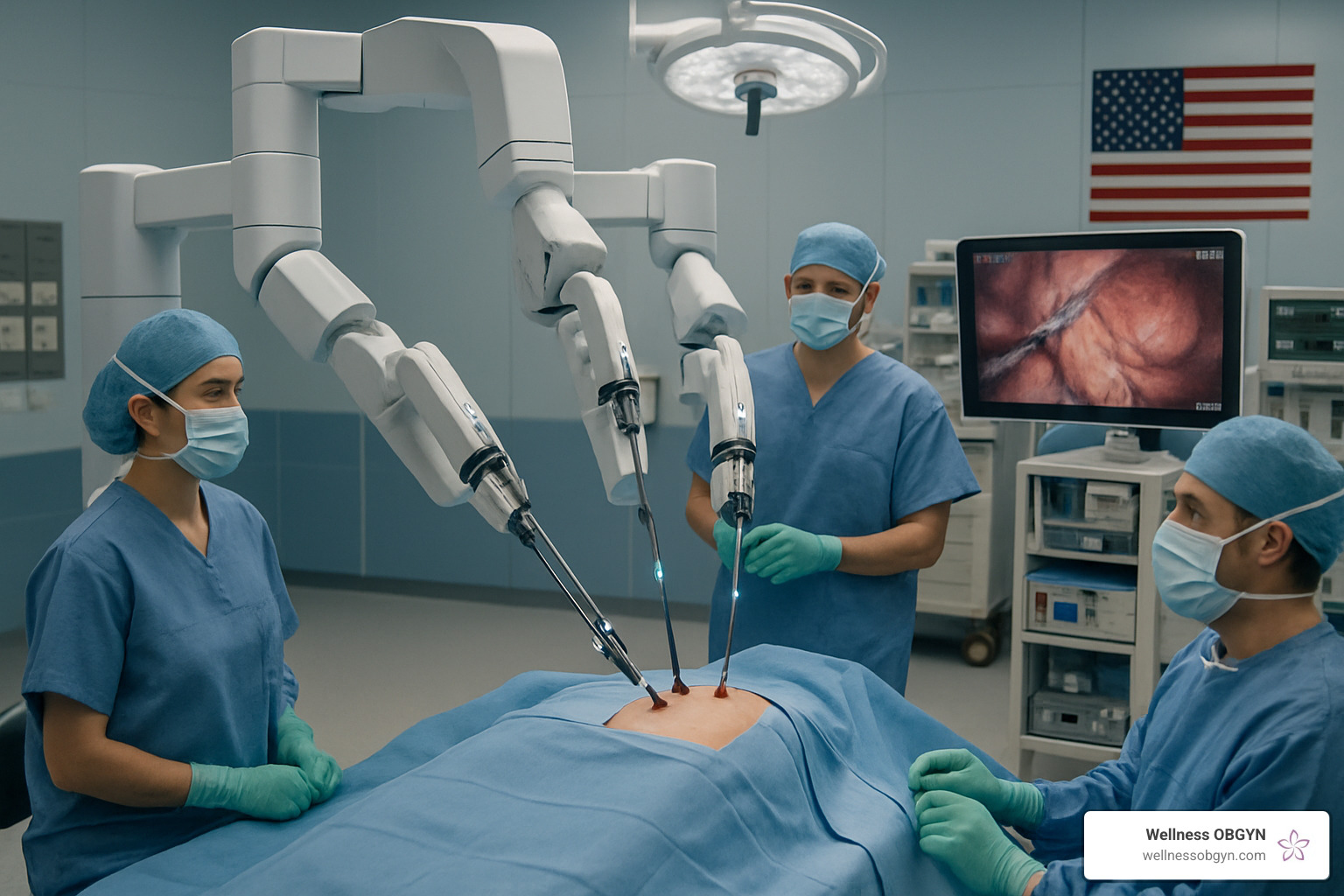
Facing surgery can feel overwhelming, but medical advancements offer new options. Robotic surgery is one such advancement. It uses specialized tools controlled by a surgeon. Understanding this technology can help you inform your choices.
Precision in Hernia Repair
Robotic surgery may be offered in hernia repair. The system provides your surgeon with more precision, allowing them to make cleaner cuts. This enhanced ability supports precise movements, helping surgeons work carefully around nerves and blood vessels to minimize damage. With robotic instruments, hernias can be repaired through small incisions, reducing the risk of infection and speeding healing. Advanced wristed tools move in ways that mimic your surgeon’s hands, but with even more flexibility. This additional control enables fine movements, which are valuable in complex cases where structures require secure reinforcement. For patients, smaller incisions may result in less postoperative pain, reduced scarring, and a quicker return to everyday activities.
Efficiency in Colon Surgeries
Since colon surgeries can be complex procedures, robotic systems improve efficiency. The surgeon operates from a console, directing robotic arms with high precision for steady performance and detailed maneuvers. These robotic arms have a wide range of motion. They allow reliable movement in tight abdominal areas. There is more flexibility with a surgical tool. Surgeons remove or repair colon segments while preserving healthy tissue and minimizing trauma. Robotic surgery’s minimally invasive approach results in less impact on patients and shorter hospital stays. Automated systems let the surgical team make refined adjustments and help manage challenging anatomical variations.
Advancements in Gallbladder Surgeries
Robotic techniques are also transforming other procedures, including gallbladder and acid reflux surgeries. These approaches use advanced technology designed to offer you a minimally invasive option. Small incisions allow the robot’s arms remove the organ accurately. This can lead to faster recovery. The system’s high-definition view lets the team operate with greater detail, helping them avoid structures such as the liver and bile ducts. Robotic gallbladder surgery tends to cause less pain, so patients may need fewer pain medications. Small incisions mean minimal scarring, making it easier to resume daily activities after the operation. The flexibility of instruments helps surgeons perform delicate movements that are more difficult with standard tools, thereby increasing precision during challenging cases.
Surgeons perform acid reflux repairs while viewing a magnified image, and this supports careful placement of sutures or wraps. Reduced incision size to the nearby tissues helps decrease post-operative discomfort. In both types of surgeries, the surgeon maintains control, and the robotic platform provides increased dexterity. By choosing robotic surgery for gallbladder or acid reflux conditions, you and your care team use innovative tools. Stay focused on your comfort and recovery.
Book Robotic Surgery Today
Robotic surgery offers benefits for some patients because it enhances a surgeon’s precision. This can lead to better overall outcomes and recovery. You may experience less pain and scarring with this surgery. If you need surgery, explore all your options. A specialist will determine if robotic surgery is the right choice for your health needs, so schedule an appointment today.
