
Non-pharmaceutical approaches are gaining increased attention in modern pain management for their ability to reduce discomfort without reliance on medication. These strategies often include physical therapy, behavioral techniques, and complementary therapies designed to address the underlying causes of pain.
Evaluating non-pharmaceutical pain management options helps patients and providers develop comprehensive, balanced treatment plans that prioritize safety, function, and long-term relief.
Use Physical and Movement-Based Therapies
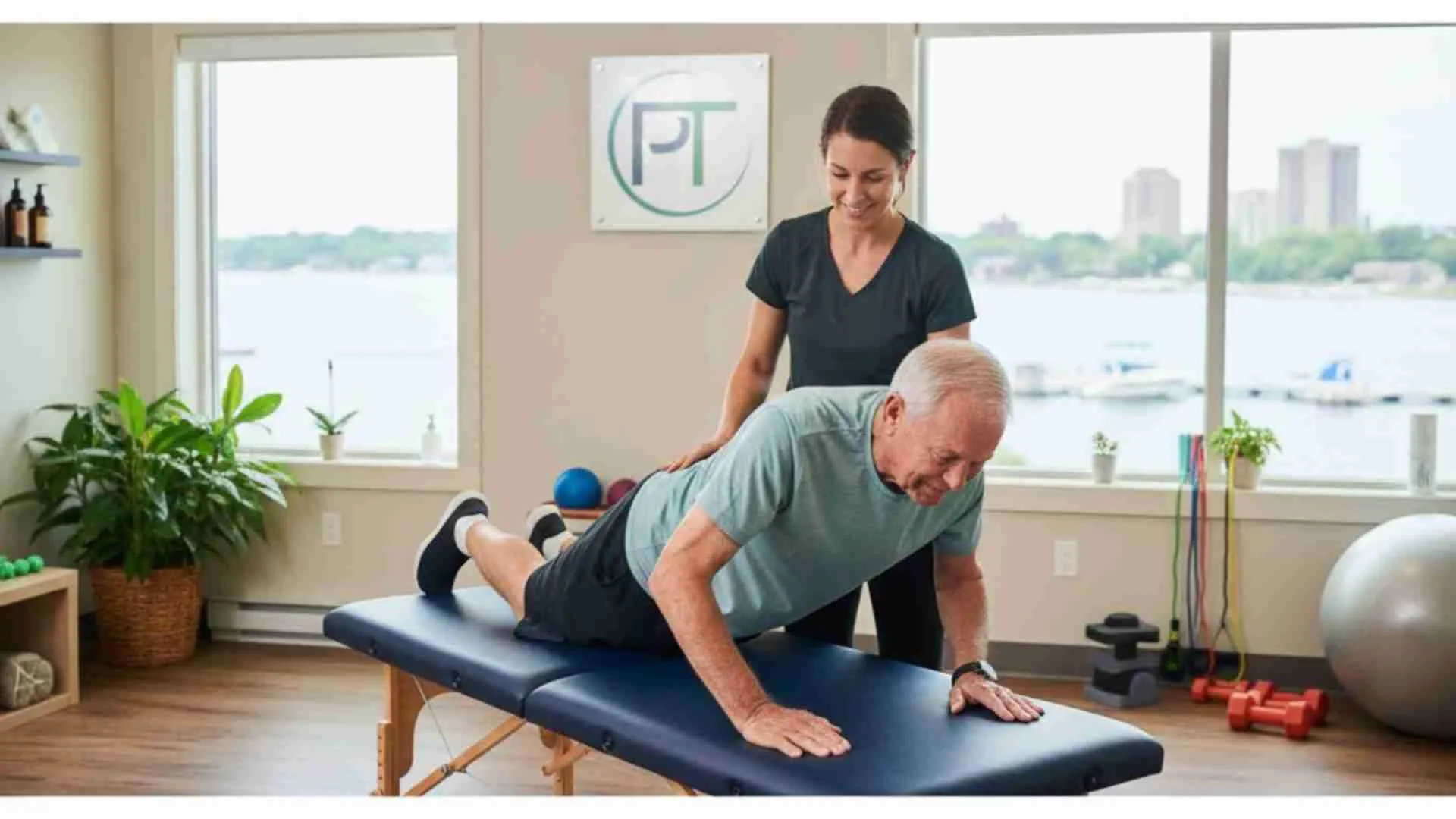
Physical therapy is a pain management strategy that focuses on your body’s mechanics. They aim to improve function, strength, and flexibility. These are often the first defense against musculoskeletal pain. Physical therapy is a key part of this approach. It uses targeted exercises to heal injuries and fix posture.
Occupational therapy is another helpful approach. It teaches you to perform daily activities with less strain. An occupational therapist might suggest adaptive tools for arthritis and also recommend ergonomic changes to your workspace. Low-impact exercises like swimming or tai chi are also excellent.
Apply Mind–Body and Behavioral Interventions
Your emotional state greatly affects how you feel pain. Mind-body interventions use this connection. They use mental strategies to change how your brain perceives pain. One method is Cognitive Behavioral Therapy (CBT). It helps you find and change negative thoughts about your pain. This reduces stress and anxiety, which often makes symptoms worse.
Other powerful tools are mindfulness and meditation. They train your mind to stay present and focused. These practices help you detach from the distress of chronic pain and reduce the intensity of the experience. Biofeedback is another technique to try. You learn to control bodily functions such as heart rate and muscle tension, thus reducing pain.
Explore Alternative and Complementary Therapies
Complementary and alternative medicine (CAM) offers a variety of treatments outside conventional Western medicine. These therapies are often combined with standard medical care to improve overall well-being. Acupuncture is a widely known CAM therapy. It involves inserting thin needles into specific points on the body to stimulate energy flow and release natural painkillers. Many people use acupuncture to find relief from conditions such as migraines and lower back pain.
Other CAM therapies include herbal supplements, aromatherapy, and regenerative medicine techniques like Platelet-Rich Plasma (PRP) therapy. Regenerative medicine is especially promising as it uses the body’s own materials to repair damaged tissues. Before trying these therapies, consult an interventional pain specialist to establish that they are safe and appropriate for your condition.
Measure Treatment Effectiveness and Safety
Choosing the right non-pharmaceutical strategy requires evaluating both its effectiveness and safety. Keep in mind that what works for one person may not work for another. Start by tracking your symptoms, triggers, and treatment outcomes in a pain journal. Note changes in pain intensity, mobility, and mood to identify what provides the most benefit. Set realistic goals, as improvements are often gradual rather than immediate.
Safety is equally necessary, even with natural or non-invasive treatments. Always inform your healthcare provider about any therapies, supplements, or practices you are using to avoid complications. Some herbal supplements, for example, may interfere with medications or worsen certain health conditions. Regular follow-ups with a pain management doctor ascertain that your treatment plan stays safe and effective as your needs change. Actively monitoring your progress helps you adjust and find the best combination of therapies for relief.
Schedule Pain Management Assessment Today
Navigating non-pharmaceutical pain management strategies can be overwhelming, but it becomes easier when you do it with professional help. The most effective way to find relief is to partner with a team of experts who understand the complexities of chronic pain.
Consult with interventional pain management specialists near you because they are dedicated to helping you explore safe, effective alternatives to medication. Whether you are interested in physical therapy, regenerative medicine, or minimally invasive procedures, they will guide you toward a smooth, personalized treatment plan.
