
Knee pain treatment focuses on relieving discomfort, improving joint function, and supporting long-term mobility for individuals affected by injury, overuse, or underlying conditions. Effective management often requires a combination of targeted therapies, lifestyle adjustments, and preventive strategies tailored to the cause and severity of symptoms. Understanding proven approaches to treating knee pain helps individuals make informed decisions and achieve better outcomes in daily activities and overall joint health.
Activity Modification and Joint Protection
You don’t need to stop moving entirely to find relief from knee pain, but adjusting your routine helps. Modifying activities that stress your joints can prevent further irritation. Pay attention to your posture and movements during daily tasks to avoid aggravating your knees. Weight management is also a factor in reducing knee pain.
Wearing proper footwear is another key to knee pain treatment. Shoes with adequate arch support and cushioning help align your legs and reduce knee strain. Worn-out shoes may no longer provide the shock absorption your body needs. Using orthotic inserts also further improves alignment and eases discomfort.
Therapeutic Exercise and Strengthening
While rest is key for an injured knee, too much inactivity sometimes worsen stiffness. Gentle movement lubricates the joint and improves your range of motion. Aim to keep the joint moving within a pain-free range to promote healing. Walking on flat surfaces is a great way to maintain your mobility; it does so without overworking the joints.
Strengthening the muscles around the knee is also necessary for pain therapy. Strong quadriceps and hamstrings act as shock absorbers. They take pressure off the joint itself. Start with low-impact exercises like leg lifts or wall sits. These build stability without irritating. Physical therapy offers a tailored plan to address your specific weaknesses.
Knee Pain Treatment Options
You will often find immediate relief from knee pain at home with simple care. The RICE method is a great way to manage acute flare-ups. This means Rest, Ice, Compression, and Elevation. Apply ice packs for 15 to 20 minutes to reduce swelling. Remember to use a cloth barrier to protect your skin. This method works well after a long day of activity.
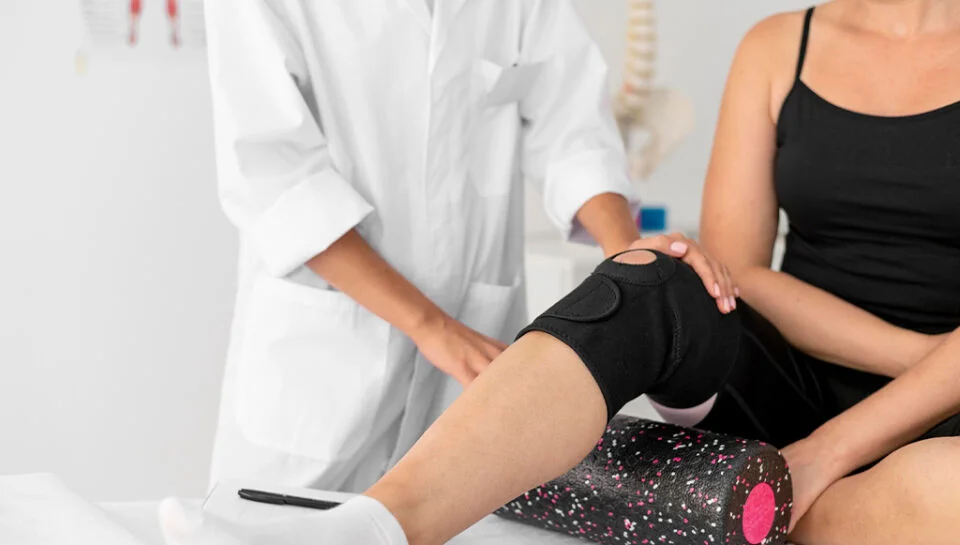
Bracing or taping offers stability to your knee. These tools prevent awkward movements that could cause more injury. They give your knee extra support while it heals from strain. Different braces help with issues like instability or kneecap problems. Ask a specialist which type of support is best for you.
Medical Evaluation Indicators
While home remedies help, some symptoms require professional care. See a specialist if you have severe swelling or cannot bear weight. A visible deformity or persistent pain also needs a doctor’s diagnosis. Early intervention prevents minor issues from becoming chronic problems. If conservative methods fail, advanced treatment options are necessary.
Depending on your diagnosis, your doctor might recommend one of several paths forward.
- Minimally invasive arthroscopy
- Regenerative medicine techniques
- Partial or total joint replacement
- Limb deformity correction
Each option aims to restore function and reduce pain so you can return to your life. Our skilled medical team prioritizes high-quality, state-of-the-art care for every patient.
Schedule Your Orthopedic Consultation Today
Living with chronic knee pain can limit your freedom. But modifying your activities, strengthening your muscles, and using supportive care can significantly improve your quality of life. While implementing these strategies is a great first step, professional guidance often yields the best results. Thus, it is best to schedule a consultation with an orthopedic specialist when seeking comprehensive care for your knee pain. Contact a specialist in your city today and get your treatment started.
