
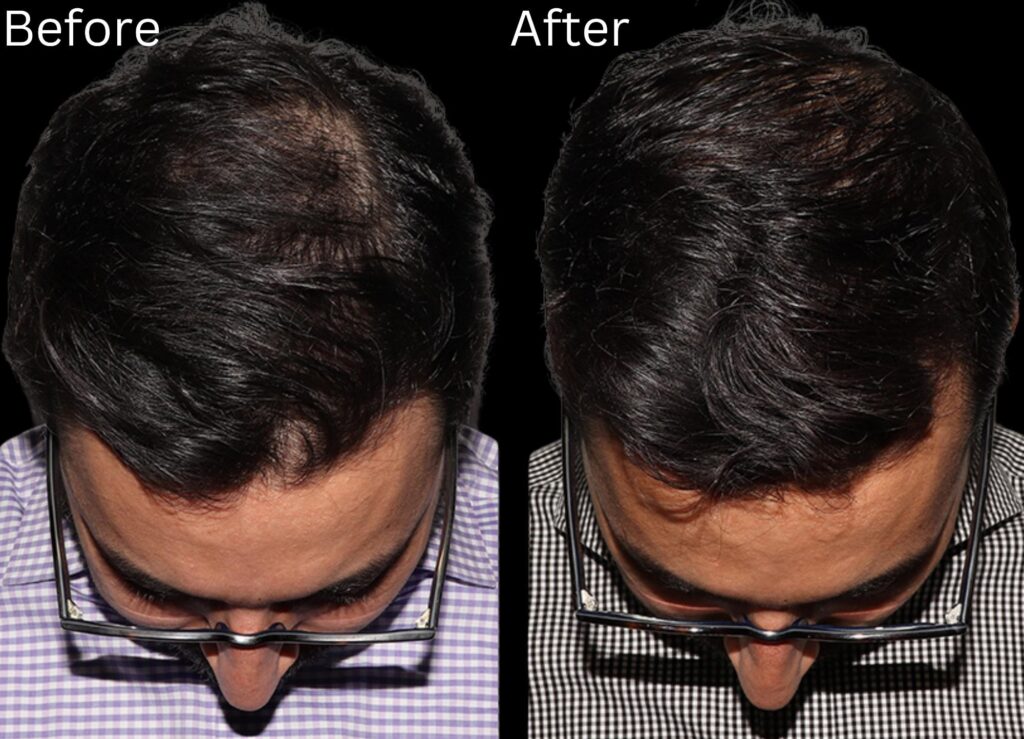
Hair loss, or alopecia, affects individuals for various reasons, including genetics, medical conditions, and lifestyle choices. Modern approaches to hair loss treatment have opened doors to effective management. By exploring tailored interventions, patients can access solutions tailored to their needs and conditions.
Various Types of Hair Loss Treatments
Hair loss presents in several forms, each requiring a different approach for management. A clear diagnosis is helpful for developing effective treatment strategies. Here are a few hair loss conditions listed below:
Androgenetic Alopecia
Androgenetic alopecia, commonly known as hereditary hair loss, is the most prevalent cause of hair thinning. It affects both men and women. This condition results from genetic predisposition and hormonal changes, particularly involving dihydrotestosterone (DHT). While it often progresses over time, early detection increases treatment options.
Alopecia Areata
Alopecia areata is an autoimmune condition where the body’s immune system mistakenly attacks hair follicles. It is characterized by round patches of hair loss on the scalp or other areas of the body. Although the cause of alopecia areata is unknown, environmental and genetic factors likely contribute to its development. Treatments targeting immune response suppression can help manage the condition and support hair regrowth, depending on the severity.
Telogen Effluvium
Telogen effluvium occurs when hair prematurely shifts to the resting (telogen) phase of the hair growth cycle. This condition is often triggered by stress, illness, or metabolic imbalances. Generally, it causes diffuse hair thinning rather than complete bald spots. The hair loss typically resolves once the triggering factor is addressed, but professional guidance can streamline recovery.
Cicatricial Alopecia
Scarring alopecia is a rare disorder characterized by irreversible hair loss resulting from the destruction of hair follicles and their replacement with scar tissue. This condition is associated with inflammation that damages stem cells in the hair follicle. Early symptoms include redness, scaling, and pain in the affected areas. Prompt and accurate diagnosis, often involving scalp biopsies, can help halt hair loss progression by using anti-inflammatory treatments, immunosuppressants, or other targeted therapies.
Emerging Treatments in Hair Restoration
Recent advancements in hair restoration strategies focus on innovative approaches to stimulate regrowth and enhance scalp health. These methods are tailored to treat specific types of alopecia while mitigating side effects. Here is a list of possible treatments:
Topical and Oral Medications
Medications offer a convenient way to manage hair loss for many individuals. Topical treatments are applied directly to the scalp and work by enhancing blood flow and stimulating hair follicles. Oral medications target hormonal pathways, particularly in cases of androgenetic alopecia. A consultation with a dermatologist is recommended for safe use regarding this hair loss treatment option.
Platelet-Rich Plasma (PRP) Treatment
Platelet-rich plasma (PRP) therapy is a regenerative treatment. This minimally invasive procedure involves extracting a patient’s blood, separating the plasma enriched with growth factors, and injecting it into affected areas of the scalp. PRP stimulates follicular activity and supports hair regrowth. It is often used alongside other treatments to improve overall outcomes.
Lifestyle Modifications and Scalp Care
For some patients, addressing underlying factors such as diet, stress, or hair care practices can improve outcomes. Adopting a balanced, nutrient-rich diet supports the health of hair follicles. Practices such as gentle scalp massage and avoidance of harsh chemical hair products reduce damage, enabling the scalp to maintain a healthy environment for regrowth.
Consultation for Hair Restoration
The future of managing hair loss lies in a personalized, medically informed approach. If you are experiencing hair loss, consult a dermatologist for a thorough evaluation. Early intervention can minimize further hair thinning. Schedule a consultation today to create a comprehensive plan tailored to your specific needs.
