
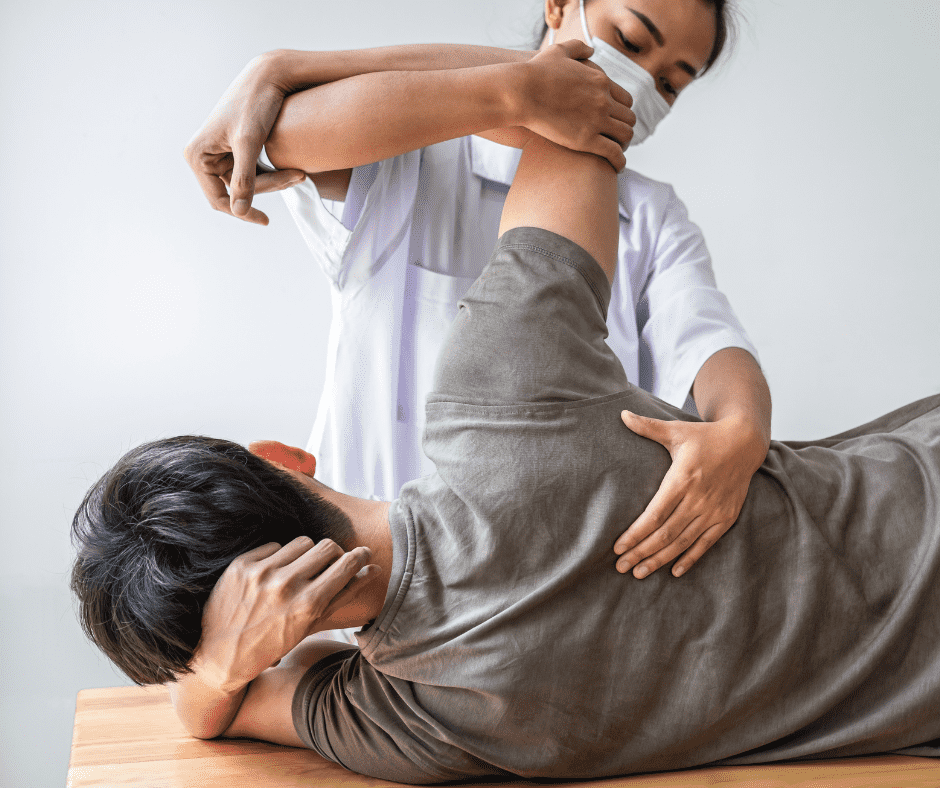
Shoulder preservation is an approach to managing shoulder injuries, and the focus is on protecting and maintaining the natural joint structure. When an injury occurs, these methods aim to repair damage while retaining the original anatomy, which may help with long-term shoulder health. This strategy uses a range of techniques to address the specific needs of an individual. Here is more information about the role of shoulder preservation when there is a sports injury:
Preventing Joint Damage
Sports injuries may put the shoulder joint at risk for long-term damage. While athletes push their bodies, the repetitive stress might lead to cartilage wear. Shoulder preservation techniques focus on early intervention, and they offer a way to manage these injuries from the start. This proactive approach helps protect the joint from further harm.
Slowing Degeneration
Joint degeneration is a process where cartilage breaks down over time. For athletes, this process might be accelerated due to overuse or injury. A primary goal of shoulder preservation is to slow this degenerative cascade, and this is accomplished by addressing the root cause of the joint instability or pain.
Different treatments are available, and they are selected based on the specific injury. One technique might involve repairing torn ligaments to restore joint stability, while another may focus on removing loose cartilage fragments that cause irritation. Each method is chosen to support the joint’s natural environment and function.
The objective is to stabilize the joint and reduce abnormal forces on the cartilage. When the shoulder moves correctly, the stress is distributed evenly across the joint surface. This even distribution aims to slow the rate of cartilage wear. By managing the mechanics of the shoulder, degeneration may be delayed.
Maintaining Joint Function
After an injury, maintaining a full range of motion is a key part of shoulder preservation. These treatments aim to keep the shoulder moving as naturally as possible, and preserving the native joint helps support continued athletic activity and daily tasks. Here are some objectives of maintaining joint function:
- Supporting natural shoulder movement
- Reducing stiffness
- Allowing for continued physical activity
Regular exercises, such as stretching and strengthening routines, play a significant role in maintaining shoulder mobility. These exercises help improve flexibility, and they also aim to prevent stiffness and discomfort. By committing to a consistent regimen and addressing shoulder health proactively, individuals can reduce the risk of long-term joint complications while continuing to enjoy their usual activities.
Healing Injured Tissue
This method also concentrates on healing the body’s own tissues. A variety of methods can be used to promote the repair of damaged ligaments or cartilage. Some procedures involve stimulating the body’s natural healing response within the joint, while others work by reattaching or repairing torn structures. The aim is to restore the tissue to its original state as much as possible, and this may help the joint heal itself.
Schedule Shoulder Preservation Today
Shoulder preservation offers a pathway for managing sports-related injuries by focusing on the joint’s long-term health. This approach uses targeted treatments to repair damage and maintain natural anatomy. If you have experienced a shoulder injury, learning about your options is a positive next step. Contact an orthopedics clinic to schedule a consultation and discuss shoulder preservation with a specialist.
