
Brain cancer is a life-altering diagnosis that requires timely, informed, and carefully coordinated decision-making. Following a diagnosis, patients and their families often face complex medical information, emotional challenges, and critical treatment decisions. Understanding the appropriate steps to take after a brain cancer diagnosis helps support clarity, informed choices, and comprehensive care planning during an uncertain and demanding period.
Understand Diagnosis and Treatment
Start by gaining a clear, detailed understanding of your specific medical condition. Brain cancer develops when malignant cells grow in or around the brain. These can be primary tumors or secondary tumors that have spread from elsewhere. There are about 150 different types of brain tumors. Knowing your specific type, such as Glioblastoma, is key to your treatment plan. Ask your doctor to explain the tumor grade. This knowledge helps you understand the urgency of treatment and prepare mentally.
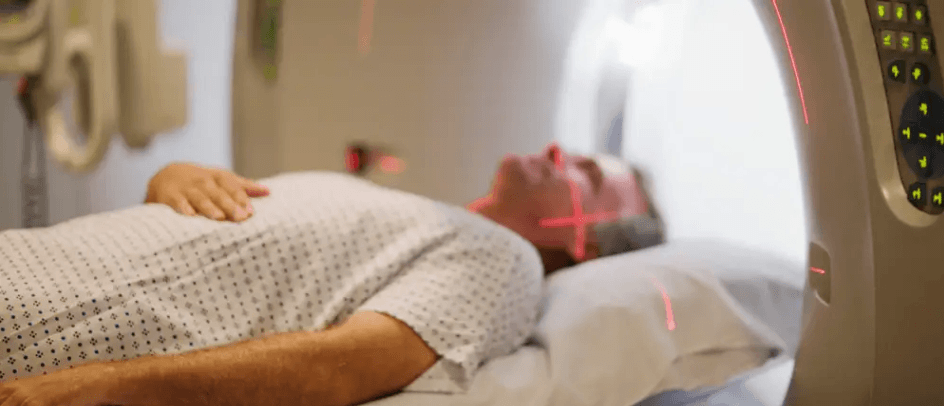
Your medical team will use diagnostic tests to see what is happening inside your brain. Tools like MRI and CT scans allow specialists to assess the tumor’s exact location and size. You might also need a biopsy. This procedure removes a small tissue sample for evaluation under a microscope. Symptoms vary widely depending on the tumor’s location. Understanding which symptoms are caused by the tumor helps you monitor your condition effectively.
Build the Right Care Team
Treating a brain tumor requires many specialists, so building the right team is key. You will need neurosurgeons, medical oncologists, and radiation oncologists. These experts work together to customize your care plan. It is helpful to seek a specialized center that offers advanced options like immunotherapy and targeted therapy. Do not hesitate to ask providers about their experience with your specific tumor type.
Finding a care team you trust is necessary. You will be working with them closely for an extended period. Look for specialists who communicate clearly and answer all your questions. This makes it easier for you to find accessible care. A strong, experienced team makes sure you receive the most up-to-date treatments available.
Address Emotional and Practical Needs
A diagnosis affects your physical health, but it also impacts your emotional and mental well-being. Reach out to support groups or specialized counselors. They can help you navigate the stress and anxiety of a serious illness. You might experience personality changes, memory issues, or loss of balance. Open communication with your loved ones can alleviate fear and confusion.
On a practical level, organize your medical records, insurance info, and schedules immediately. This helps you avoid administrative stress later. Have a trusted friend or family member attend appointments with you. They can take notes and ask important questions. This support system lets you focus on healing. Others can help manage the logistics of your care and insurance requirements. Addressing these needs early creates a stable foundation for your treatment.
Plan Treatment and Recovery
After understanding your diagnosis and building your team, you will move forward with a specific treatment plan. Options often include surgery to remove the tumor. This is followed by radiation, chemotherapy, or immunotherapy to destroy remaining cells. Discuss potential side effects with your specialists beforehand. This helps you know exactly what to expect.
Ongoing care is a major part of this process. You will likely need regular follow-up scans to monitor regrowth. Participating in a trial could provide access to cutting-edge treatments. These are not yet widely available to everyone. Ask your doctor during your consultation whether you are a candidate for trials. Understanding your treatment helps you plan for recovery time. It ensures you are proactive about your long-term health.
Schedule a Brain Cancer Consultation
Dealing with a brain cancer diagnosis is undoubtedly a heavy burden, but taking these structured steps will help you manage the process with clarity. Consulting with a neuro-ncologist provides you with an understanding of the specifics of your malignant brain tumor and helps you build a robust support system. Book a consultation with a specialist near you, and that very action will empower you through treatment and recovery. Your cancer specialists also provide thorough guidance throughout the entire process.
