
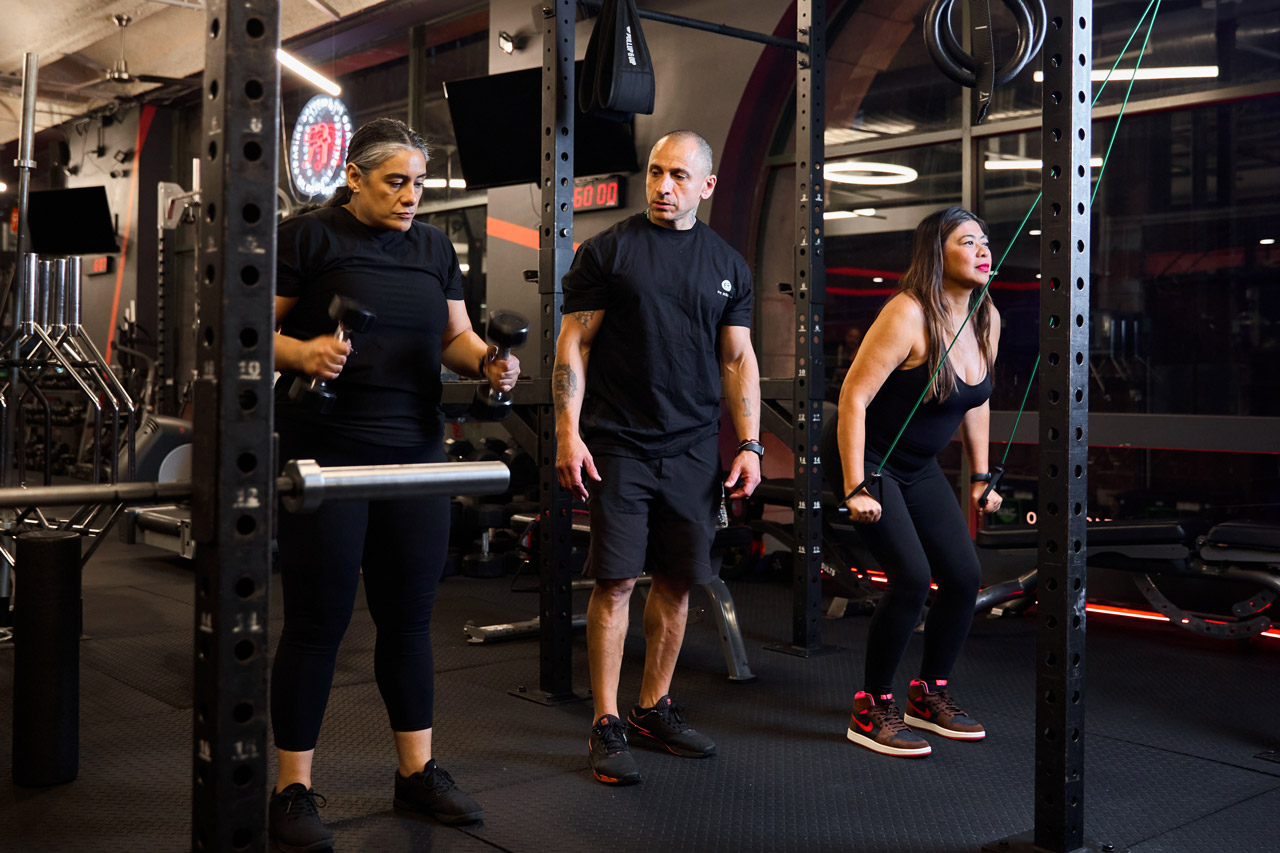
Regular exercise offers significant benefits for both physical and mental health, yet many individuals struggle to maintain a consistent routine due to a lack of motivation, time constraints, or uncertainty about how to begin. Personal training provides a structured solution to these common barriers, offering professional instruction and accountability to help individuals exercise safely and effectively. By working with a qualified professional, clients can overcome obstacles that prevent them from exercising and establish sustainable habits for long-term health.
Defining Personal Training
Because every body is unique, personal training involves a customized approach to physical fitness. A certified personal trainer creates exercise programs for individuals. Most personal trainers do not have qualifications to offer diet advice; you can consult a registered dietician about dietary information and changes. They instruct you on exercise form, and they monitor your progress over time. These professionals may have certifications that demonstrate their knowledge of human physiology, so they can tailor workouts to your specific needs.
Trainers can assist with various objectives:
- Weight management
- Muscle gain
- Sports performance
- General health improvement
Starting Personal Training
Before you begin your exercise plan, a comprehensive assessment takes place, and the trainer reviews your medical history. They discuss your current lifestyle habits, including how active your job is and how well you are regularly sleeping. Since safety is a priority, this initial consultation allows them to identify and discuss any of your physical limitations or past injuries. They might ask about your sleep patterns and stress levels, and you will discuss your specific goals to measure future success.
Exploring Training Sessions
A typical appointment begins with a warm-up to prepare your body for movement. Your trainer demonstrates each exercise so you understand the correct mechanics, and they observe your form closely. They provide immediate feedback, but they also encourage you to push your limits. The workout intensity can be adjusted based on how you feel that day. Sessions typically include a mix of these elements:
- Strength training exercises
- Cardiovascular conditioning
- Flexibility movements
- Balance drills
After the main workout ends, the session concludes with a cool-down period.
Reaching Fitness Goals
Because consistency drives results, accountability is a benefit of these programs. You may be more likely to show up for scheduled appointments when someone is expecting you to be there. A trainer tracks your improvements, and they adjust the plan as you get stronger. They may provide encouragement when workouts feel difficult, which keeps you focused on consistency and the end result.
Learn More About Personal Training
Personal training provides targeted guidance for those seeking to improve their physical health or reach specific fitness goals. A personal trainer can combine assessment with customized programming, and they provide ongoing support to facilitate your athletic progress. As you gain knowledge about your body, you learn how to move more safely. Working out with a personal trainer can yield rewarding results because you build sustainable habits; your trainer supports you throughout the entire process. If you want to learn more about personal training, consult a personal trainer near you.
