
Deciding on a skin rejuvenation path involves understanding the available options, and comparing them carefully is advised. Many approaches exist, from established methods to newer technologies, so the choices can feel overwhelming. Explore the differences between laser treatments and more traditional methods. As you list your personal skin care goals, compare various approaches and provide information to help you understand each category.
Exploring Traditional Skin Care Methods
Traditional methods for skin rejuvenation encompass a range of options, and they have long been trusted by patients and professionals. Because these methods have been in use for many years, they are familiar to many people and often seen as safe. Specialized facials and consistent skin care routines are widely available. They can be incorporated into a regular schedule because they are non-invasive, making them convenient for busy participants. Other approaches involve substances introduced into the body; these include injectables like Botox, which work on muscle activity. Vitamins and certain medications also fall under this category, supporting skin from within, and effectiveness varies depending on individual needs. Traditional methods are often more accessible, and they are widely practiced in many clinics and spas.
Understanding Laser Treatments
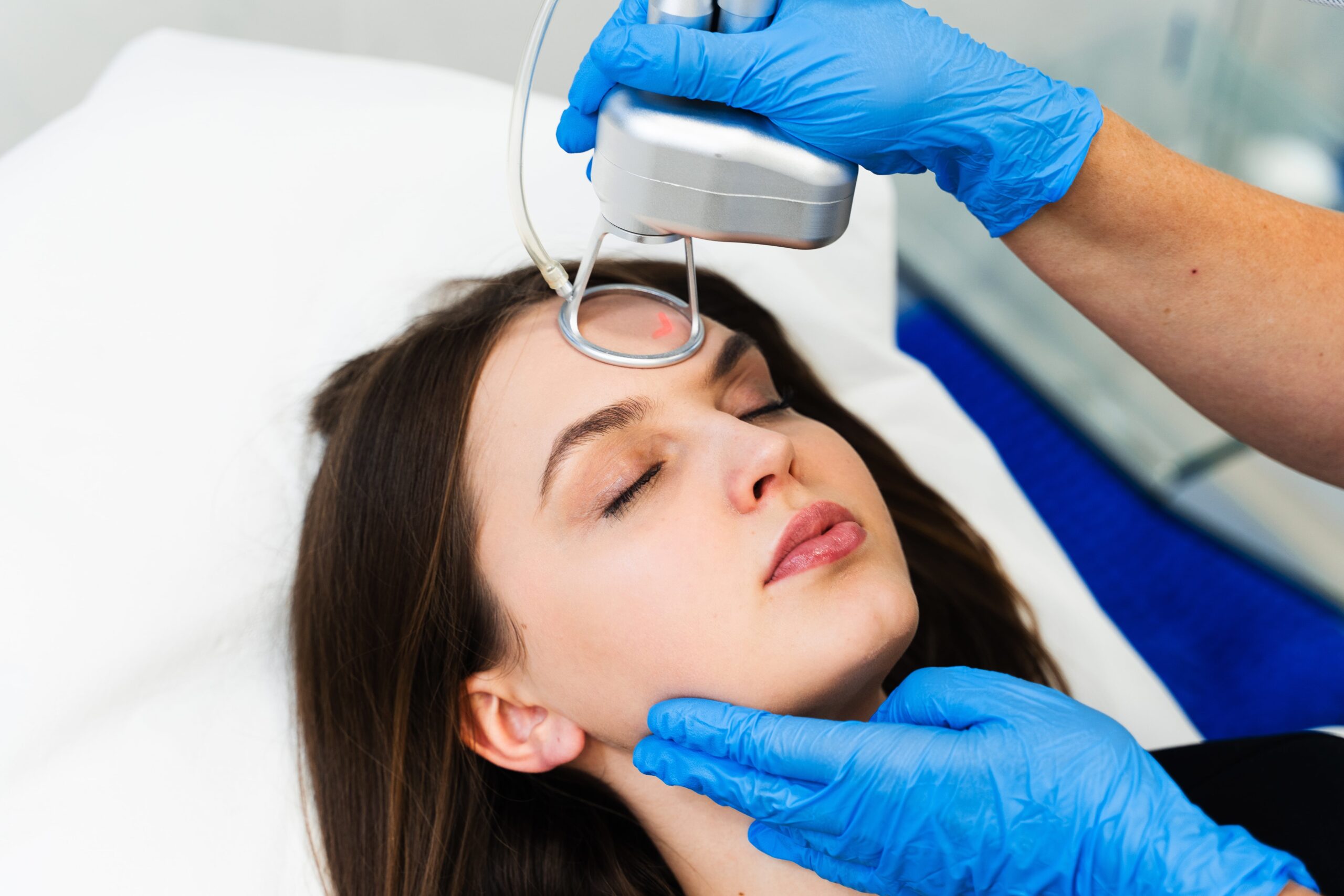
Laser treatments use focused light energy, which enables precise targeting of skin issues. These technologies interact with the skin at various depths to address different concerns, so they can be individually tailored. The Fotona laser is one example of this technology and offers multiple treatment modes, enabling a versatile approach. Laser treatments operate differently from topical products. The technology is designed to target specific skin layers, making them unique in the world of cosmetic dermatology.
The precision of laser devices allows treatments to be tailored to specific skin concerns, so patients benefit from targeted results. Many professionals use lasers to address concerns such as uneven texture or discoloration, focusing energy precisely where it is needed. The popularity of laser treatments continues to rise as more people seek personalized solutions in cosmetic dermatology, reflecting technological advancement. While lasers are a more recent development compared to facials, their use in cosmetic dermatology has grown significantly, and they now play a major role in modern skin care clinics.
Key Differences and Comparisons
The primary difference between these two categories lies in their method of action, and each method has unique implications for results and recovery. Traditional methods often work on the surface, such as facials, or through systemic means, such as vitamins, while injectables such as Botox have a localized effect on muscle and nerve interaction. Laser treatments use thermal energy to alter the skin’s structure, which distinguishes them from other options. The choice between them depends on individual goals, and a professional can provide guidance, although the final decision rests with the individual and must be made after careful deliberation. Comparing the procedural differences is a key step, as laser procedures differ from applying skin care products or receiving injections, and understanding the recovery times associated with each option helps you make an informed decision.
Consult a Professional for Personalized Advice
Navigating the options for skin rejuvenation requires careful deliberation, but the process can be simplified with professional guidance. A consultation with a qualified professional can provide clarity, since they can assess your skin and discuss your objectives. This dialogue will help you understand which options, whether traditional methods or laser treatments, align with your personal circumstances, and it can empower you to make the best choice for your needs.
