
Orthodontic treatment has a range of options available to help individuals improve their smile. Invisalign offers an alternative to traditional braces that uses clear, removable aligners to gradually shift teeth into their desired positions, and understanding how this treatment works can help you make an informed decision about your orthodontic care. Here is more information on the step-by-step process:
What Is Invisalign?
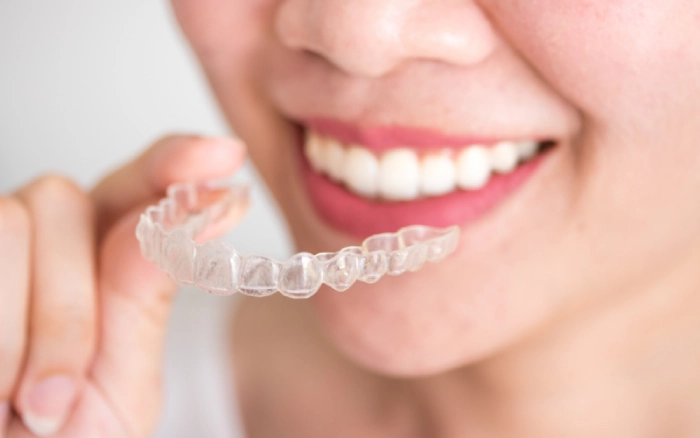
Invisalign is a teeth-straightening system that uses custom-made, clear plastic aligners to reposition teeth gradually. Unlike traditional braces, which use metal brackets and wires, Invisalign aligners are nearly invisible and can be removed for eating, brushing, and flossing. The aligners are made from a medical-grade thermoplastic, which applies gentle, consistent pressure to teeth and guides them into alignment. Each set of aligners is worn for approximately one week before being replaced with the next set in the series.
How Does It Work?
Invisalign works by applying controlled force to specific teeth at different stages of treatment. The aligners are designed using 3D imaging technology that maps out the precise movements needed to achieve the desired results. Each aligner moves teeth incrementally, and this gradual movement allows the bone and tissue surrounding the teeth to adapt.
The aligners must be worn for 22 hours per day to achieve the desired results. Removing them only for meals and oral hygiene routines allows the aligners to apply consistent pressure throughout the day and night. Patients who fail to wear their aligners for the recommended duration may experience delayed progress or less effective outcomes.
What Does the Process Involve?
The process begins with an initial consultation with an orthodontist trained in Invisalign treatment. During this appointment, the practitioner evaluates dental structure, discusses goals, and determines whether Invisalign is suitable for each patient’s needs. If a patient is deemed an appropriate candidate, digital impressions of their teeth are taken to create a 3D model of their mouth.
Using this model, the practitioner develops a customized treatment plan that outlines the step-by-step movement of the teeth. Patients may see a digital representation of how their teeth will shift throughout the treatment and the final result. Once the plan is approved, the custom aligners are manufactured and shipped to the practice.
Patients may receive multiple sets of aligners at once, typically enough for several weeks or months of treatment. Regular visits to the orthodontist are scheduled to monitor progress and obtain additional aligners. These check-ups allow the practitioner to assess how the teeth are responding to treatment and make any necessary adjustments.
What Are the Benefits?
Invisalign offers several advantages for patients with crooked or misaligned teeth. The aligners are transparent, making them less noticeable than metal brackets and wires, and this aesthetic benefit may appeal to adults and teens who prefer a discreet treatment option. The removable nature of the aligners also makes oral hygiene easier, as patients can brush and floss their teeth without having to navigate around fixed appliances. Smooth plastic aligners lack sharp edges that can irritate the cheeks and gums, potentially reducing the likelihood of mouth sores.
Seek to Improve Your Smile
Invisalign represents a modern approach to orthodontic treatment that combines advanced technology with patient comfort. By understanding what Invisalign is, how it works, and what the process involves, you can determine whether this treatment aligns with your orthodontic needs and lifestyle. Consult with a qualified orthodontist to evaluate your eligibility and begin your journey toward a straighter smile.
