
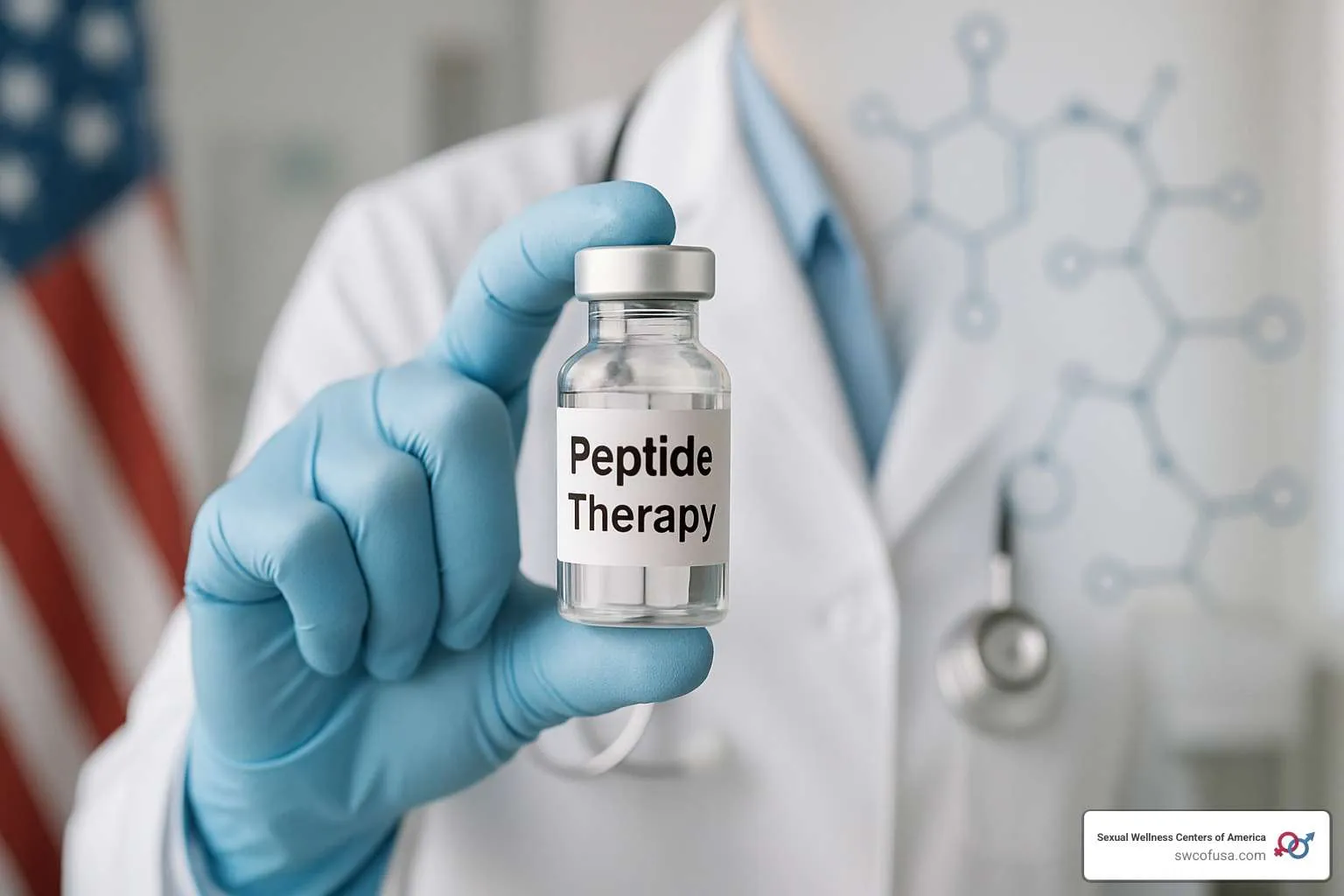
Weight management involves many factors, including diet and exercise. Among the evolving medical approaches available, peptide therapy has emerged as a supportive option for those interested in advancing their health and wellness plans. It can benefit potential patients to understand this therapy in the context of weight management, including how it works and the ways it supports broader wellness strategies.
What Is Peptide Therapy?
Peptides are short chains of amino acids. The body naturally produces a large range of peptides, each serving distinct roles. Many peptides act as signaling molecules and direct cells and tissues to carry out specific functions. Some peptides regulate appetite, others influence hormone levels, and several participate in metabolic regulation.
Peptide therapy refers to the clinical use of peptides that target specific physiological processes. By mimicking or supplementing the action of peptides, this therapy aims to influence biological pathways with targeted precision. This distinguishes peptide therapy from broader hormone treatments, as peptides can interact with selected receptors and result in a specific activity.
Certain peptides are used to affect metabolic rate, fat breakdown, and appetite control. Peptides may simulate hormones that send fullness signals to the brain, which help with reducing caloric intake. Others support the mobilization and breakdown of fat, offering metabolic support. Most peptide therapies are administered via subcutaneous injection, providing direct access to the bloodstream for rapid action.
Who Is It For?
Assessment and oversight by a qualified healthcare professional are required to determine candidacy for peptide therapy. Typical candidates can include individuals who have faced persistent difficulties with traditional interventions, such as dietary changes and exercise routines. These individuals may have hormonal imbalances. Identification of these factors relies on a thorough medical evaluation, which can involve medical assessments and laboratory testing.
This therapy is typically not designed as a universal or primary weight loss option. Its use is as part of a comprehensive lifestyle strategy that incorporates lifestyle adjustments and other physician-guided health practices. The selection of peptide protocols, type, and dosing is individualized, reflecting unique biological requirements.
What Are the Benefits?
The potential benefits of peptide therapy for weight management are closely related to the properties of the peptides used and their targeted biological actions. Certain peptides are linked to increased satiety through their effects on appetite-regulating centers in the brain. By enhancing satiety signals, these peptides may facilitate adherence to dietary plans.
Other peptides are used for their roles in metabolic regulation. There are also peptides that stimulate growth hormone production, which can influence the proportion of lean muscle within the body. Since muscle tissue expends more energy at rest compared to fat tissue, a favorable shift in muscle-to-fat ratio can support higher overall metabolic activity. Some individuals may also experience increased energy when peptide therapy is integrated into their routines. By allowing for greater activity levels and improved exercise performance, these changes can further contribute to the maintenance of a healthy body composition.
Seek Professional Wellness Services
Peptide therapy involves a tailored, clinically supervised approach to metabolic wellness and weight management, which means that medical guidance is required throughout the process. Clinicians with expertise in this field provide initial evaluation and necessary diagnostic testing, addressing health history and current markers before recommending any treatment. Ongoing monitoring allows for adjustments depending on individual response to therapy.
