
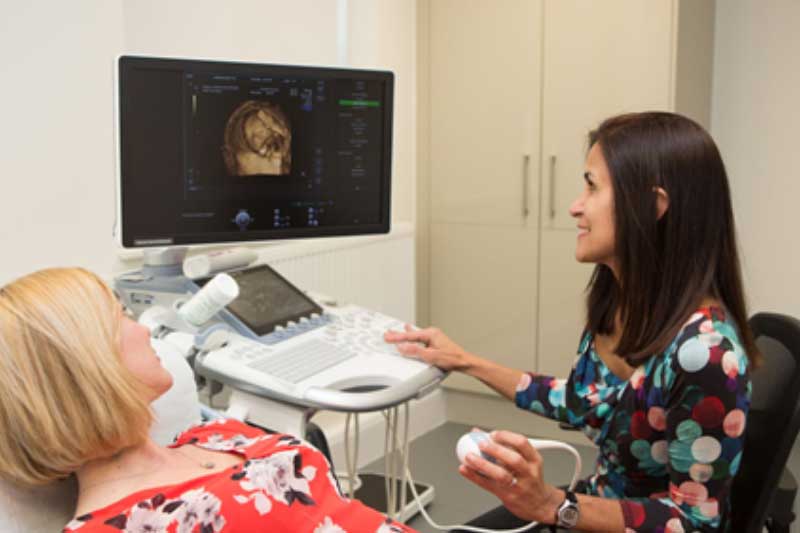
Prenatal care encompasses the medical attention and monitoring you receive throughout pregnancy. This care includes regular checkups, laboratory tests, ultrasound imaging, and various screenings to track your health and your baby’s development; understanding what to expect from these appointments can help you feel more prepared and confident throughout your pregnancy. Here is more information about pregnancy ultrasounds:
Prenatal Care and Initial Appointments
Schedule your first prenatal care appointment as soon as you confirm your pregnancy. Most providers recommend an initial visit around eight weeks of gestation, but the timing may vary based on your medical history. Early prenatal care allows your provider to establish baseline measurements, address any concerns, and create a personalized care plan.
Your first appointment typically lasts longer than subsequent visits. The provider will review your medical history and perform a physical examination, and they may order initial laboratory work. Because early detection of potential complications can lead to better outcomes, starting prenatal appointments promptly sets the foundation for a healthy pregnancy.
Ultrasound Imaging and Anatomy Scanning
Prenatal ultrasounds use sound waves to create images of your baby inside the womb. Most pregnancies include at least two ultrasound examinations. One is between 11 and 14 weeks, and another occurs around 18-20 weeks. While the first ultrasound confirms the pregnancy and estimates your due date, it also checks for multiple babies.
The second-trimester anatomy scan provides detailed images of your baby’s organs and bones, and it shows general physical development. During this examination, the technician measures the baby’s size, examines the heart and brain, and checks the amount of amniotic fluid. If you choose to find out, this scan can also reveal your baby’s sex.
Some pregnancies require additional ultrasounds. Your provider may order more frequent imaging if you have certain medical conditions, are carrying multiples, or if concerns arise during routine monitoring. Each ultrasound serves a specific purpose, and they all help your provider to track your pregnancy’s progress.
Maternal Screening and Fetal Screening
Prenatal screenings help identify potential health concerns for you and your baby, and these tests may include:
- Blood tests to check for anemia, blood type, immunity to certain infections, and genetic conditions
- Urine tests to detect infections and glucose levels
- Glucose screening for gestational diabetes, typically performed between 24 and 28 weeks
- Group B streptococcus testing near the end of pregnancy
First-trimester screening combines blood work with ultrasound measurements to assess the risk of chromosomal abnormalities. Second-trimester screening is also called the quad screen, and it analyzes blood markers that may indicate certain conditions. Your provider can discuss which screenings are appropriate for your situation.
Some screenings are optional rather than standard. Genetic testing and cell-free DNA screening provide information about specific conditions, but they are not necessary for every pregnancy. Your provider can explain the benefits and limitations of each test so you can make informed decisions about your care.
Routine Wellness and Health Monitoring
Ultrasounds and screenings are part of prenatal care, but it also includes regular monitoring of your health. At each appointment, your provider measures your weight and blood pressure. As your pregnancy progresses, they will measure your abdomen and listen to your baby’s heartbeat.
These visits provide opportunities to discuss any new symptoms, and you can also discuss concerns you have. Your provider can address questions about nutrition, exercise, medications, and lifestyle modifications during pregnancy. Your doctor can also discuss warning signs that require immediate attention, such as severe headaches, vision changes, or decreased fetal movement.
Learn More About Prenatal Care
Prenatal ultrasounds and screenings are one part of monitoring your pregnancy’s health and development; regular appointments allow your provider to track your baby’s growth, identify any concerns early, and guide you through each stage of pregnancy. These examinations, combined with routine health checks and open communication with your provider, support positive outcomes for you and your baby. If you want to learn more about prenatal care and what it involves, consult a prenatal care provider near you.
