
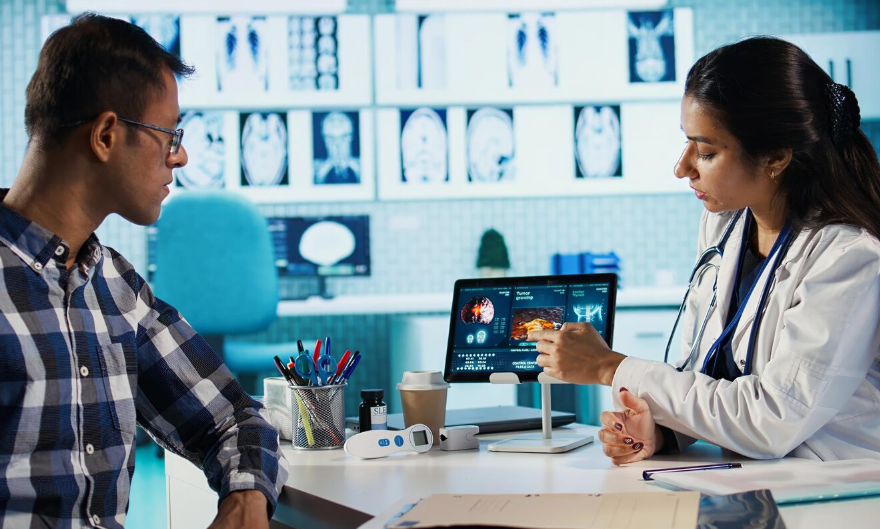
A medical diagnostic imaging center provides specialized scans and imaging services that help clinicians evaluate symptoms, confirm diagnoses, and guide treatment planning. Imaging appointments may require specific preparation steps or safety screening; understanding the process in advance can facilitate a smoother visit. Here’s more informationon what to expect during a visit to a medical imaging center:
Checking In and Preparing
When you arrive at the medical diagnostic imaging center, the first step is usually the check-in process at the front desk. You will need to provide your identification, insurance card, and the doctor’s order for the specific exam. If your doctor sent the order electronically, it is advisable to have a physical copy or a digital version on your phone just in case. After you check in, the staff will provide you with paperwork to complete regarding your medical history.
Completing the Imaging Exam
Once your preparation is complete, the technologist will escort you to the exam room to begin the procedure. The specific steps vary based on the type of scan, but the overall workflow remains consistent across most modalities and may include the following:
- Positioning: The technologist will help you assume the correct position on the exam table.
- Equipment Setup: The technologist will adjust the imaging equipment so as to capture the specific area of your body being studied.
- The Scan: You will need to remain very still while the machine captures the images, and you may hear specialized noises like clicking or buzzing, depending on the machine.
- Communication: The technologist will likely step behind a glass window or screen to operate the machine, but will communicate with you via an intercom throughout the process.
Once the technologist has captured all necessary images, they will return to the room to help you off the table.
Staying Safe and Comfortable
Medical diagnostic imaging centers prioritize patient safety and comfort throughout the diagnostic process. Technologists are trained to complete the exam as quickly and efficiently as possible while maintaining high safety standards. Here’s how they promote safety:
- Radiation Safety: If your exam involves X-rays or CT scans, the technologist will use lead aprons or shields to protect non-imaged areas of your body.
- Claustrophobia: If you are nervous about tight spaces during an MRI, let the staff know beforehand so they can offer headphones with music, an eye mask, or other comfort measures.
- Contrast Dye: If your exam requires contrast, the staff will monitor you for any allergic reactions and give you specific instructions on how to stay hydrated afterward.
- Pediatric Patients: For children, centers often allow a parent to stay in the room (wearing protective gear if necessary) to help keep the child calm and still.
If you experience discomfort at any time, please inform the technologist immediately so they can adjust your position or take a brief break.
Reviewing Results and Next Steps
Once the exam is finished, you can usually get dressed and leave the center immediately. If you received a sedative for claustrophobia, you will need someone else to drive you home. If you received contrast dye, the staff will instruct you to drink plenty of water over the next few hours to help flush the material from your system. A radiologist will review your scans in detail and write a formal report explaining their findings. They will send it to the doctor who ordered the test. Your doctor will review the radiologist’s report and contact you to discuss the results.
Visit a Medical Diagnostic Imaging Center
Medical imaging plays a fundamental role in accurately diagnosing injuries and illnesses. Knowing what to expect during your visit helps reduce concerns and makes sure the appointment runs smoothly. If you require diagnostic services, contact a medical imaging center in your area to schedule your visit today.
- The Need for Diabetic Wound Care for Foot Health
- How Natural-looking Breast Augmentation Results Are Achieved
- Understanding the Different Specializations of Orthopedic Surgeons
- Understanding the Costs and Insurance Coverage for Pain Clinic Services
- Building a Foundation for Lifelong Health with Preventive Care
