
Tattoos are often acquired as permanent body modifications, yet personal circumstances and aesthetic preferences may change over time. Medical advancements have made it possible to remove unwanted ink safely. Here is more information on tattoo removal, what the process involves, and the benefits it provides:
What Is Tattoo Removal?
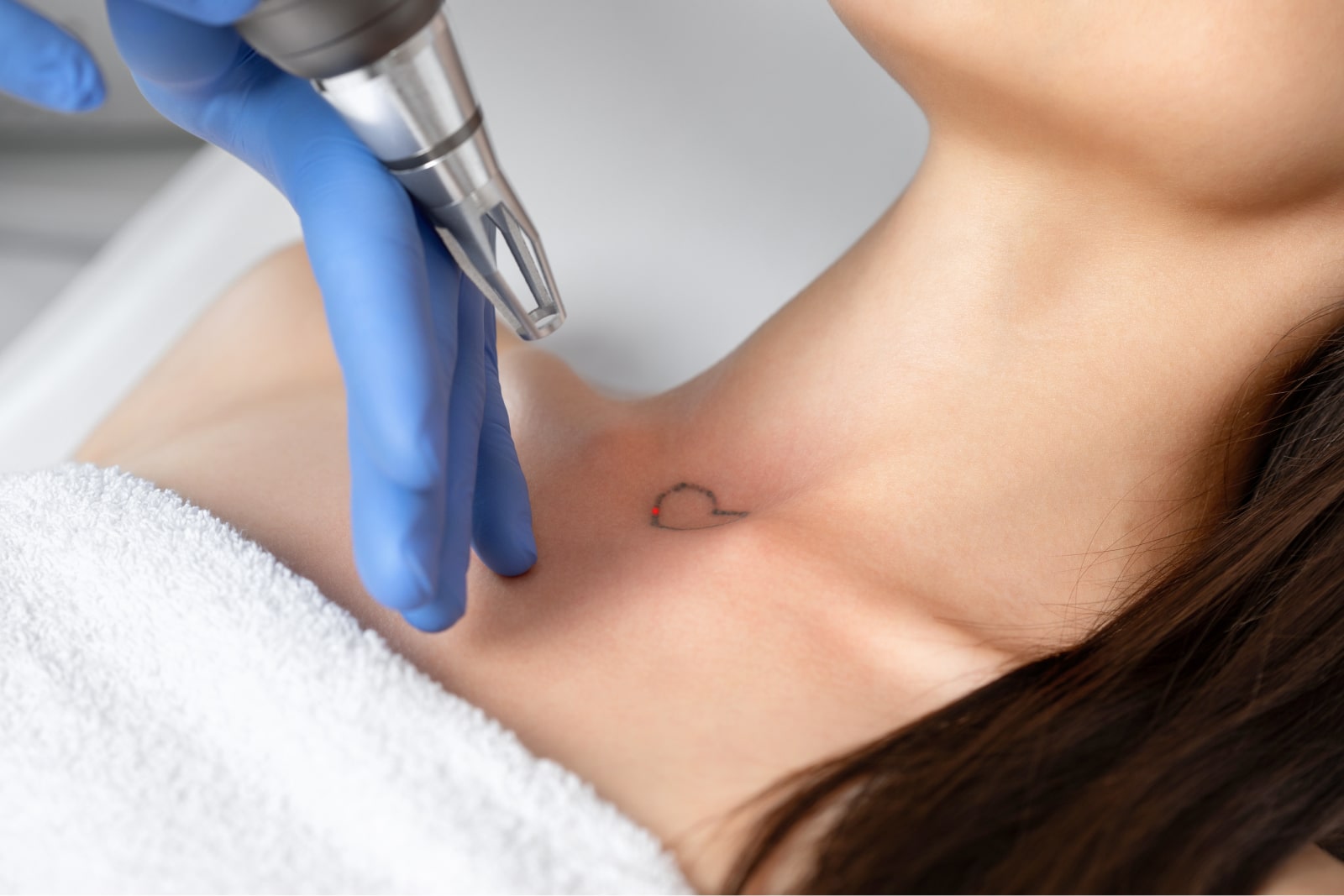
Tattoo removal is a clinical procedure designed to eliminate ink particles from the dermis layer of the skin. A standard method uses laser technology, and this targets the pigment with high-intensity light beams. The energy breaks the ink into microscopic particles, which the body’s immune system then naturally flushes away over time.
The specific wavelength of the laser light determines which ink colors are targeted during the session. Different pigments absorb different wavelengths, so a multi-colored tattoo may require various laser settings for effective clearance. The surrounding skin remains largely unaffected because the laser energy focuses on the pigment.
What Are the Different Types?
The Q-switched laser is a method used in dermatology that treats pigmentation. It releases energy in single, powerful pulses that shatter the tattoo ink without causing significant damage to the surrounding tissue. This type of laser is effective for dark inks, but it may require more sessions for complete clearance.
PicoSure® is an advancement in removal technology that operates at picosecond speeds, a trillionth of a second. This technology delivers energy faster than traditional lasers, and it creates a photomechanical effect that shatters ink into dust-like particles. The body eliminates these smaller particles more efficiently, potentially requiring fewer treatments to achieve the desired outcome.
What Does the Process Involve?
The initial phase involves a consultation to assess the tattoo’s size, color, and age, as well as the patient’s skin type. A practitioner will determine the appropriate laser settings, and they may explain how many sessions are likely needed to achieve the desired outcome. Practitioners apply the laser to the skin using a handheld device that emits rapid pulses of light. The session duration depends on the size of the tattoo.
The body requires time to process and eliminate the fragmented ink particles between appointments. Sessions are typically spaced weeks apart, and this interval allows the skin to heal while the immune system works to clear the pigment. Post-treatment care involves keeping the area clean and avoiding sun exposure to prevent pigmentation changes.
What Are the Expected Results?
Patient outcomes vary based on several factors, including the age of the tattoo and the density of the ink. Professional tattoos may penetrate deeper into the dermis, requiring more sessions. Ink colors dictate the speed and completeness of the removal process. Black and dark blue inks typically respond well to laser treatment, whereas lighter colors such as yellow and green can be more challenging to eliminate.
What Are the Benefits?
The primary benefit of laser tattoo removal is its non-invasive nature. The laser targets only the inked skin, leaving the surrounding tissue generally unharmed. Precision is another key advantage, as lasers can target specific sections of a tattoo without affecting the entire design. This capability enables partial removal, allowing patients to remove a specific name or date while leaving the rest of the artwork intact.
Learn More About Removal Today
Removing a tattoo is a safe option for those wanting to alter their appearance or correct past decisions. A consultation with a qualified specialist provides specific information about the expected timeline and allows for a personalized treatment plan. Contact a local clinic today to discuss removal options and begin the process.
