
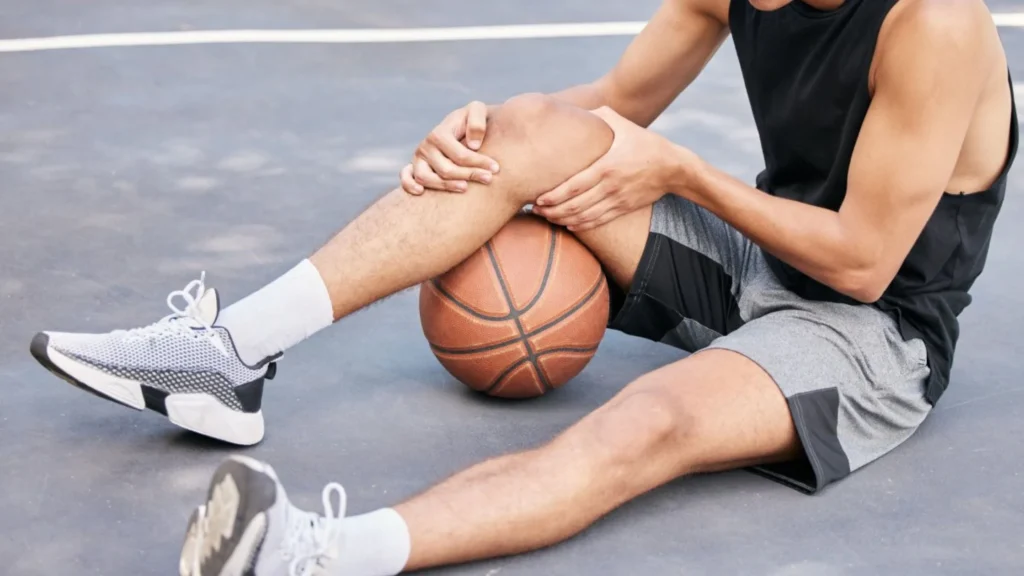
Your body functions as a valuable tool. Athletes push physical limits daily, but strain can accumulate without proper care. When pain signals a problem, you must listen. Sports medicine supports your active lifestyle.
Addressing Pain with Sports Medicine
Back pain stops some dedicated athletes in their tracks. It may start as a minor ache but becomes severe without sports medicine care. Because the spine supports movement, chronic pain affects your form, and it reduces your overall power output. Every training session and competition puts pressure on your back. Repetitive actions, heavy lifting, or impact sports like running and football increase risk. You need a stable foundation for every sport. Even harmless discomfort after a workout can signal an underlying problem. Chronic pain can occur, so early treatment is key to avoiding opioid reliance. A sports medicine provider gives you a thorough evaluation and may use diagnostic imaging to identify underlying problems.
Understanding Neuropathy and Nerve Health
Nerves send signals to your working muscles. Neuropathy disrupts these signals, and your coordination may suffer as a result. If you feel tingling, see a specialist. Nerve damage can progress, and permanent sensory loss can occur. Numbness or tingling may occur in your limbs, but a doctor can identify the cause. Because nerves control muscle movement, untreated neuropathy limits performance, and it poses safety risks during competition.
There are several causes of neuropathy, including repeated stress, overuse injuries, and some medical conditions. Athletes who train intensely or compete in high-contact sports sometimes experience symptoms like shooting pain, muscle weakness, or changes in skin temperature. Peripheral neuropathy can make regular activities challenging. Because it can affect your running stride and grip strength, it can hinder your success. Healthy nerves enable precise movements. You rely on quick reactions for success, so nerve health remains a priority.
Exploring PRP and Regenerative Medicine
Healing takes time, patience, and the right approach. Regenerative medicine offers new ways to heal damaged tissue while supporting an athlete’s comeback. Platelet-rich plasma (PRP) uses your own blood cells. It targets injured tissues directly for focused treatment. In PRP procedures, your blood is drawn and processed to separate platelets. The concentrated platelets are then injected into the injured area. Since regenerative medicine boosts natural healing, recovery time shortens, and you return to your sport faster. This approach helps with tendon injuries, ligament sprains, or muscle tears. These are common among athletes in sports like soccer, basketball, and tennis. This therapy supports the body’s repair process, and it is often combined with physical therapy and modified training programs.
Prioritize Your Recovery Today
If you want a long career, you must care for your body now. Your athletic career depends on your long-term health. When you address issues early, you perform better because your body is strong, and your mind is focused. Consult a doctor today or schedule an evaluation. Your provider will assess your current condition. If you experience pain, seek professional help immediately because early intervention saves time, and it protects your future. Take this step for your performance goals.
