
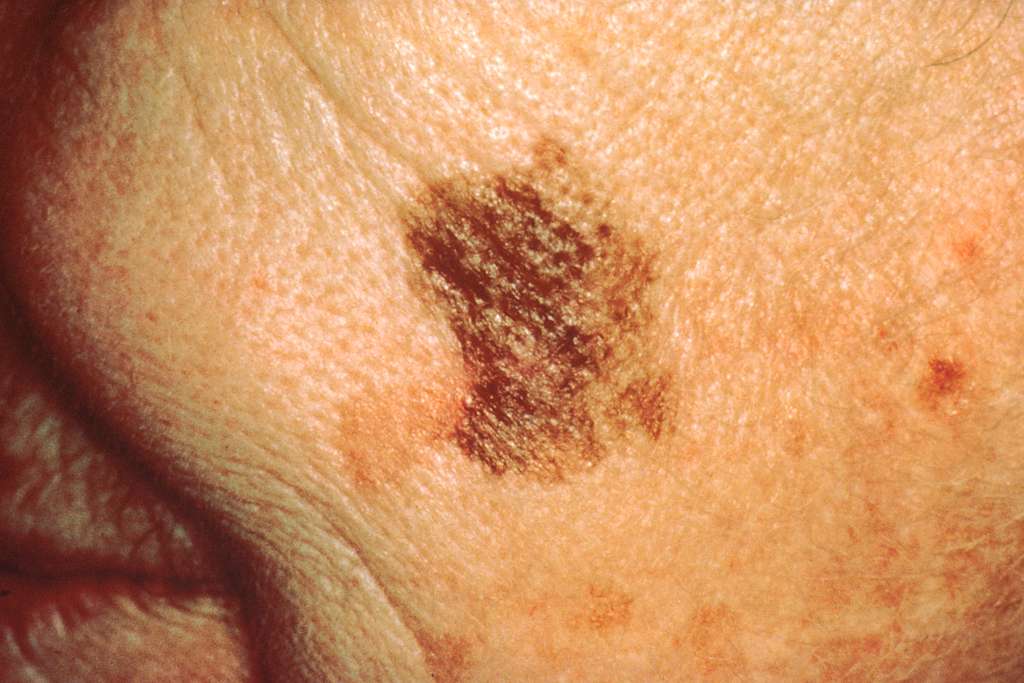
Melanoma is a skin cancer that originates in melanocytes, the cells responsible for producing skin pigment. It is less common than other skin cancers, but melanoma poses a higher risk of spreading within the body. Accurate staging of this cancer plays a key role in guiding clinical decisions and treatment.
What Is Melanoma?
Melanoma forms in pigment-producing cells and often appears as a new skin spot or as a change in the appearance of an existing mole. These changes may be identified by certain features, such as asymmetry, irregular borders, color variations, larger size, and evolving characteristics over time. Risk factors for melanoma include exposure to ultraviolet (UV) radiation from sunlight, fair skin, numerous moles, a personal or family history of melanoma, and a history of severe sunburn. Detecting cancer early is supported by regular skin self-examinations and professional skin evaluations.
What Are the Stages?
The TNM system is commonly used to stage melanoma, and examines the tumor’s thickness and ulceration (T), spread to nearby lymph nodes (N), and whether cancer has metastasized to other organs (M). Stage 0 is characterized by the presence of abnormal melanocytes confined to the epidermis, the outermost layer of the skin. The cancer has not invaded deeper tissues at this stage.
Stage I melanoma involves a thin tumor, up to 1 millimeter thick. Stage II melanoma indicates a thicker primary tumor than those in Stage I, which increases the risk of recurrence. This stage has not yet shown spread to lymph nodes or distant sites.
Stage III is diagnosed when the cancer has advanced to nearby lymph nodes or adjacent skin areas. Tumors in this stage can vary significantly in thickness, and both local and regional spread are evaluated with clinical and imaging studies. Stage IV melanoma is defined by distant metastasis, meaning the cancer has reached organs or distant lymph nodes.
How Is It Treated?
Treatment for melanoma depends on the stage at diagnosis, tumor location, and individual health status. Early-stage cancer may be managed through surgical excision of the tumor, maintaining an adequate margin of healthy tissue. Careful analysis of the excised tissue is used to confirm clear margins. For intermediate and advanced cancers, sentinel lymph node biopsy may be indicated. If melanoma cells are found in the sentinel lymph node, additional lymph node removal can follow.
Radiation therapy may be administered if melanoma has spread to organs like the brain or bones. Chemotherapy can also be a part of care plans for some patients. Treatment selection is made in consultation with the clinical team, taking into account diagnostic findings and overall health.
Confer With a Dermatologist
If you are evaluated for melanoma, a dermatologist oversees diagnosis, staging, and initial management. This includes performing biopsies and interpreting pathology results to define the stage and recommend further testing if needed. When melanoma is confirmed, dermatologists may coordinate care with oncologists or surgeons for further treatment and follow-up. Ongoing skin checks and open conversation with your medical team help monitor for recurrence or new lesions and support individualized care.
