
A Pacemaker is an implantable device that can regulate the heart rhythm when the heart beats too slowly, irregularly, or pauses unexpectedly. For patients with certain rhythm conditions, this device can relieve symptoms while reducing the risk of complications linked to untreated bradycardia or heart block. Here’s more information on the benefits of getting a pacemaker:
Identifying What Pacemakers Can Fix
A pacemaker treats specific heart rhythm disorders where the heart beats too slowly or pauses frequently. These conditions can cause symptoms like fatigue, dizziness, fainting, and shortness of breath. The device continuously monitors your heart’s electrical activity, and it only works when it detects an abnormally slow heartbeat.
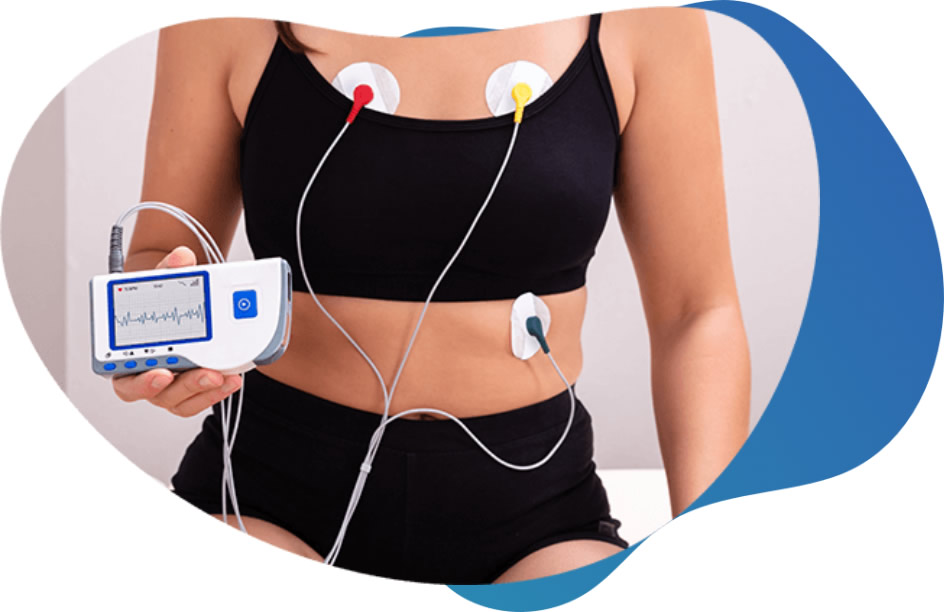
Some advanced pacemakers can sense when you are moving or breathing faster than normal, and they adjust your heartbeat accordingly to match your activity level. This adaptive function helps maintain proper blood flow throughout your body during different activities. Your doctor will perform several tests to determine if this implantable device is right for you. These tests may include an electrocardiogram, Holter monitoring, MCOT, loop implant, and echocardiogram.
Exploring Benefits
After pacemaker implantation, patients experience several improvements in their daily lives. Here are some of them:
- Reduced symptoms: Dizziness, fatigue, and fainting episodes decrease or stop completely once the heart maintains a steady rhythm
- Better energy levels: Patients often feel more energetic and able to complete daily tasks without exhaustion
- Improved quality of life: The ability to return to normal activities without worrying about sudden symptoms makes a meaningful difference
These benefits generally become noticeable within weeks of the procedure, and patients can resume their regular routines with greater comfort.
Getting a Pacemaker
The pacemaker implantation procedure is straightforward and typically does not require an overnight hospital stay. Your doctor places an IV to administer sedative medication and administers a local anesthetic to numb the insertion area to minimize discomfort. Using X-ray imaging for guidance, your doctor threads the leads through a vein near your collarbone into your heart chambers. The other end of the leads connects to the pulse generator, which is placed beneath your skin.
Recovery involves avoiding strenuous exercise or placing pressure on your chest for about a month. Your doctor will schedule follow-up appointments every few months to check your device. Some modern pacemakers can transmit information electronically, reducing the need for in-office visits.
Living With a Pacemaker
Living with a pacemaker allows most people to return to normal activities and enjoy an active lifestyle. Here are key things to know about living with a pacemaker:
- Regular monitoring: Your pacemaker requires periodic check-ups to make sure it functions properly and adjust settings if needed
- Activity freedom: Most physical activities are safe once you’ve healed from the implantation procedure
- Device awareness: Be aware of electromagnetic fields from certain medical equipment, but most everyday devices pose no risk
- Battery longevity: Pacemaker batteries typically last several years before requiring replacement through a minor procedure
The device works silently in the background to maintain proper heart rhythm while you go about your daily activities.
Schedule Your Pacemaker Consultation
A pacemaker can significantly improve your quality of life if you have a slow or irregular heartbeat. This small device monitors your heart rhythm and delivers electrical pulses when needed to maintain proper heart function. For symptoms like dizziness, fatigue, or fainting, contact a qualified cardiologist near you to schedule your consultation and determine whether a pacemaker may be right for you.
