
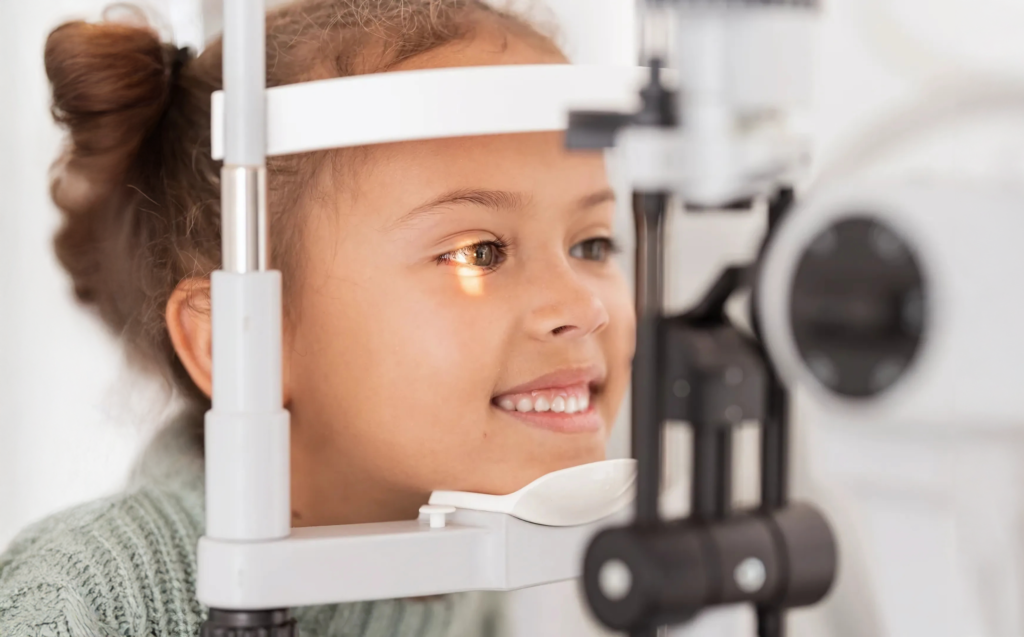
Regular eye exams are a key part of maintaining your overall health, and they can help detect vision changes. These appointments allow an optometrist to assess the overall health of your eyes and detect underlying conditions early. A little preparation helps you get the most out of your visit, which provides your eye doctor with the information needed for a thorough evaluation. Here are some tips for preparing for an eye exam:
Bring Contacts and Glasses
Arriving prepared with all your current vision correction tools is a practical first step; bring your everyday glasses and any prescription sunglasses you own. If you wear contact lenses, wear them to the appointment so the optometrist can evaluate their fit and your vision while using them. It is also helpful to bring the contact lens box or foil packet.
This information allows your doctor to have a complete picture of what you currently use for vision correction. The optometrist may perform a new refraction test, but they will compare the results to your existing prescription to track changes over time. Having your old prescription details on hand helps them understand how your vision is evolving, which is a key part of the examination.
Gather Medical Documents
Your eye health is connected to your medical history. Compile a list of all medications you take, including over-the-counter drugs and supplements, as some can affect your vision. You will also want to note any personal or family history of eye conditions, and you should be ready to discuss any general health problems, such as diabetes or high blood pressure.
Systemic health issues may first show signs within the eyes, so your doctor needs this information to conduct a comprehensive assessment. This gives your optometrist valuable context at the eye exam. Before your visit, take a moment to write down this information; having a prepared list makes the intake process smoother and more accurate.
Bringing these details helps connect information about your general health and your vision. An updated medical history is helpful, and so are your vision complaints. When your optometrist understands your full health picture, they are better equipped to identify potential risks and monitor your eye health accordingly.
Prepare Questions
Before your visit, thinking about your vision and eye health helps you formulate questions for your optometrist. You might be experiencing new symptoms, or perhaps you have concerns about your risk for certain eye diseases. Writing down your questions ahead of time will help you remember to ask them during your appointment.
Here are a few questions you might want to ask:
- Am I at risk for any eye conditions?
- Are my current vision habits healthy?
- When do you recommend my next eye exam?
Bring Sunglasses
Your optometrist may need to dilate your pupils to see the back of your eye more clearly. The eye drops used for dilation can make your eyes very sensitive to light and cause nearby objects to appear blurry for several hours. Because your eyes will be sensitive afterward, it’s a good idea to bring sunglasses.
Schedule an Eye Exam Today
An eye exam offers more than just updating your prescription; it provides a complete check-up of your eye health and can identify problems early. If it’s been a while since your last appointment, now is the time to prioritize your vision. Contact an optician’s office today to schedule your next eye exam.
