
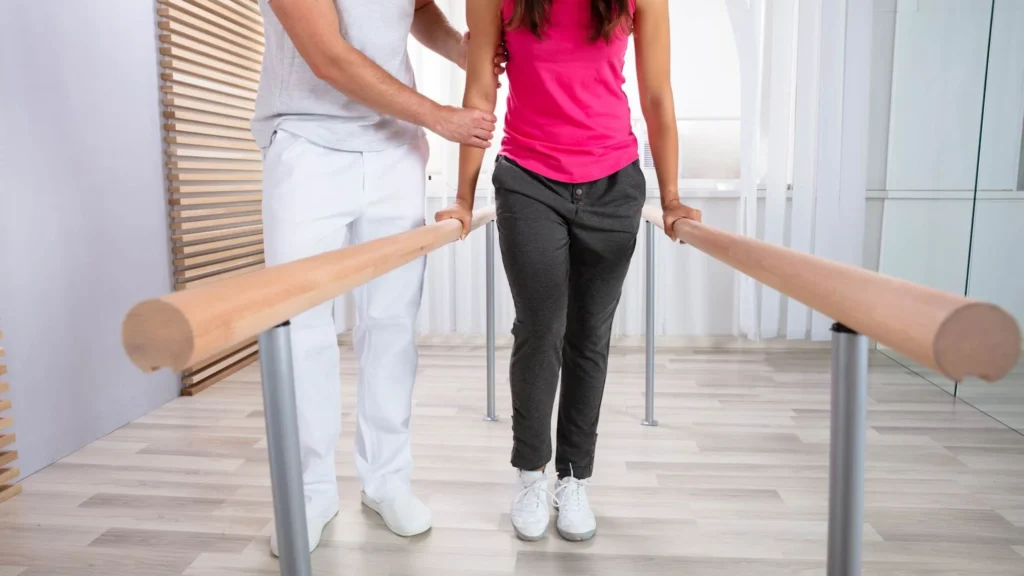
Living with arthritis can make everyday tasks difficult due to joint pain, stiffness, and reduced range of motion. While the condition may be long-term, daily comfort and mobility can often improve with practical strategies that support joint function and reduce flare-ups. Here are tips for daily comfort and mobility to help people with arthritis:
Build A Joint-Saving Routine
Morning stiffness is a symptom of arthritis and often requires a slow and deliberate start to the day. You can incorporate gentle range-of-motion exercises while still in bed to warm up the muscles before standing. Applying heat therapy, such as a warm compress or taking a hot shower, increases blood flow to the affected areas and loosens stiff tissues. This allows the joints to transition from rest to activity without immediate strain.
Pacing your activities is a fundamental strategy for conserving energy and protecting joint integrity. You should structure your schedule to alternate between periods of heavier activity and necessary rest. This approach prevents the cycle of overexertion followed by increased pain and fatigue. Consistent pacing helps the body manage physical stress without triggering severe flare-ups.
Move More, Hurt Less
Staying stationary for prolonged periods often increases stiffness and pain associated with arthritis, making movement a helpful countermeasure. Low-impact physical activity circulates synovial fluid, which lubricates the joints and reduces friction. Walking, swimming, or cycling are effective options that boost mobility without placing excessive stress on the knees or hips. Listen to your body’s signals during these activities to avoid pushing beyond your comfort zone.
Reduce Strain With Tools
Modifying how you interact with objects in your home reduces mechanical load on your hands, back, and lower body. Small adjustments to your environment make daily tasks less demanding on compromised joints. Here are ways to reduce strain:
- Use assistive devices, such as jar openers or button hooks, to minimize stress on small finger joints during fine motor tasks.
- Adjust your workspace chair height so your feet rest flat on the floor, and your knees remain at a 90-degree angle.
- Lift heavy objects close to your body and use your leg muscles rather than bending from the waist to protect your spine.
- Install lever-style handles on doors and faucets because they require less grip strength than traditional round knobs.
- Use a reacher tool to pick up items from the floor or high shelves to avoid unnecessary bending or stretching.
These modifications act as preventative measures against unnecessary arthritis flare-ups and fatigue.
Support Your Body
Internal health factors directly influence the severity of arthritis and your overall energy levels. Providing the body with appropriate fuel supports weight management and reduces inflammatory response. Here are ways to support the body:
- Consume a diet rich in anti-inflammatory foods to help manage systemic swelling.
- Maintain adequate hydration throughout the day, as water is a primary component of the cartilage that cushions your joints.
- Prioritize a consistent sleep schedule to allow the body time to repair tissues and replenish energy for the next day.
- Maintain body weight within a healthy range to reduce the mechanical load on weight-bearing joints.
- Avoid processed foods and excessive sugar intake, as these often contribute to systemic inflammation.
Addressing these physiological needs provides a stronger foundation for effective medical treatment.
Schedule Your Arthritis Evaluation Today
Managing arthritis requires a combination of medical intervention and lifestyle adjustments. When over-the-counter solutions and home remedies are not enough, professional care provides necessary relief. If joint pain limits your mobility, contact a qualified pain specialist near you to schedule your professional evaluation today.
