
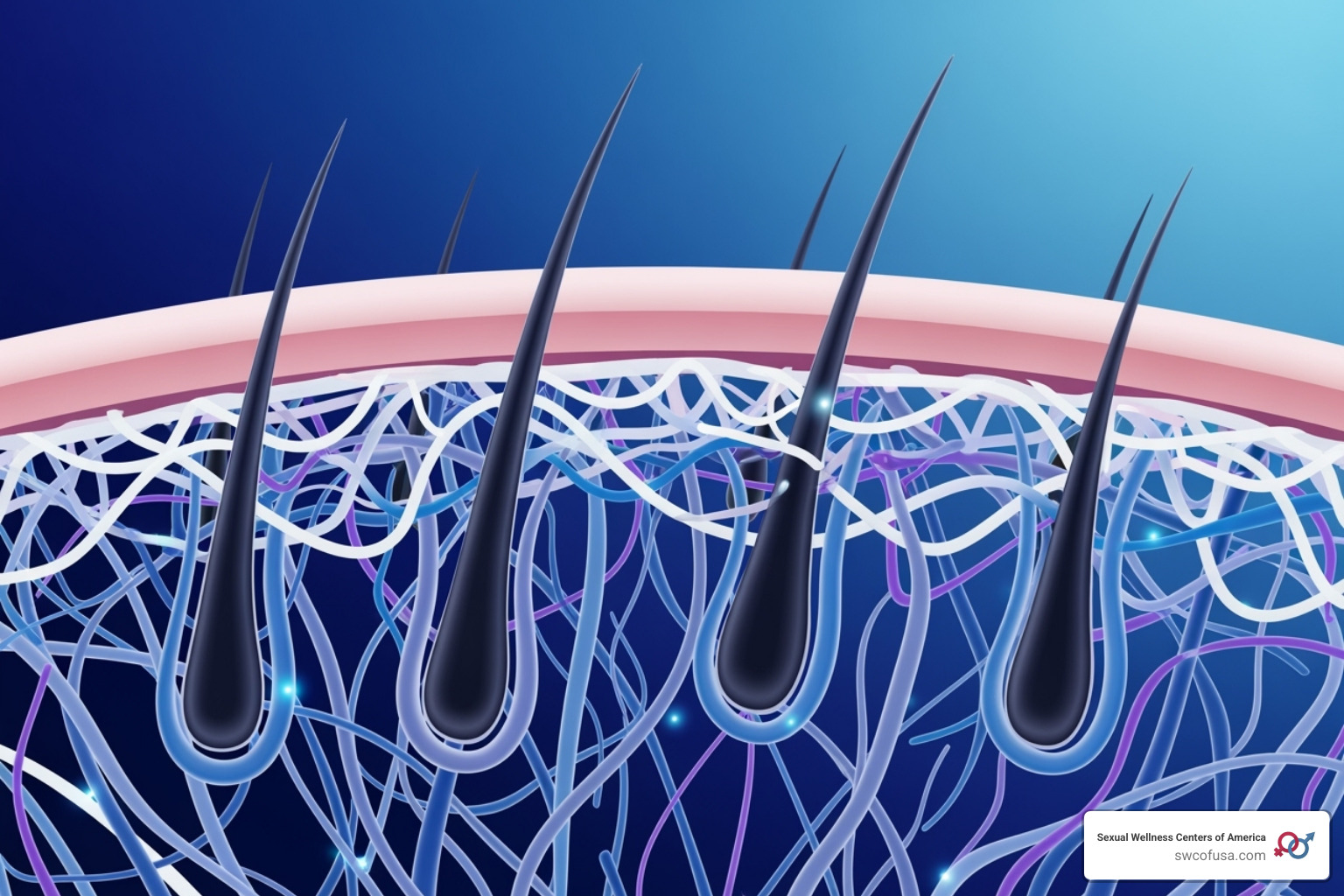
A hair transplant is complex, and a surgeon transfers healthy follicles from donor areas to thinning scalp regions. They extract specific follicular units and place them delicately into tiny recipient site incisions. Because the hair is your own biological tissue, the texture matches your existing strands perfectly. Here is more information about the science behind hair follicle growth following a transplant:
Natural Healing Process
The scalp creates tiny protective scabs around each graft, and the skin begins to repair itself. As the tissue heals from the surgical disruption, some redness naturally appears near the implant sites. The body initiates a rapid cellular response to effectively and quickly close these small surface wounds. This inflammation may be concerning to some patients, but it typically fades shortly.
While it may surprise new patients, the transplanted hair shafts often fall out abruptly after surgery. This event marks a normal part of the follicle’s biological lifecycle known as shock loss. The hair shaft detaches from the root, but the follicle remains alive underneath the skin surface. The underlying structures rest temporarily before they generate new, permanent keratin structures.
New Blood Supply
Transplanted follicles require oxygen, so the body generates new vascular connections in the area. This physiological process of forming microscopic blood vessels is known in medicine as angiogenesis. Once these tiny vessels fully connect, the grafts receive the metabolic nutrients needed for survival. The blood flow increases steadily, and it supports the high metabolic needs of the hair root.
Since the blood supply is initially developing, the recipient area remains somewhat delicate for weeks. Oxygen-rich blood nourishes the skin, and it strengthens the base of the hair follicle. Circulation may improve over time, providing follicles with the biological strength required for fiber production. Because nutrients are delivered, the hair shaft diameter may increase significantly over the maturation period.
New growth usually becomes visible after 3-6 months after the procedure. Fine hairs break through the skin, and they gradually thicken over several months of development. As the maturation process continues steadily, the coverage becomes denser and more robust naturally over time.
DHT-resistant Hair
Donor hair typically originates from the permanent zone on the back or sides of the head. Because these follicles resist DHT, they maintain this genetic immunity in their new scalp locations. They are moved to the top during a hair transplant, but they do not succumb to the usual hormonal thinning. This genetic trait allows for long-term retention of the transplanted hair for decades.
Gentle Care
Because the grafts are initially loose, you must protect them from physical trauma or friction. Avoid rubbing or scratching the recipient area vigorously during the first few days of healing. Follow the washing instructions precisely, and keep the scalp environment clean and dry for optimal healing. If you disturb the grafts too early, you might dislodge the developing root from the skin.
Try these steps:
- Sleep with your head elevated on pillows.
- Avoid strenuous exercise for several weeks.
- Wear a loose hat for sun protection.
- Stay hydrated to support skin healing.
- Avoid direct sunlight on the scalp.
Schedule a Hair Transplant
You may now understand the science of growth, and you can take the next logical step. If you have specific questions about your hair loss pattern, reach out to a medical team near you. They can provide detailed evaluations for each patient who is exploring this option. Book your consultation today.
