
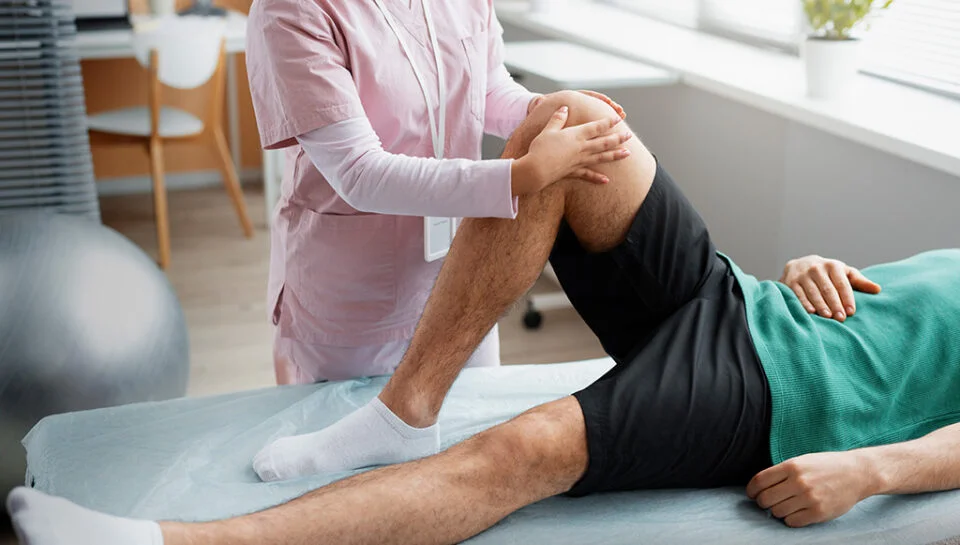
Knee pain treatment often begins with identifying the underlying cause of discomfort and choosing an approach that restores function while reducing strain on the joint. Physical therapy is a key component of knee pain management because it addresses strength, flexibility, and balance. Here’s a closer look at the role of physical therapy in knee pain care:
Identifying the Cause of Pain
Before starting any knee pain treatment, a physical therapist must identify the underlying cause of the discomfort. Knee pain is often a symptom of problems elsewhere in the body, such as the hips or ankles. A comprehensive evaluation helps the therapist develop a targeted plan that addresses the underlying cause of the issue. Common factors that often contribute to knee pain include:
- Muscle Weakness: Weakness in the hips or quadriceps can increase pressure on the knee joint.
- Poor Mechanics: Walking or running with improper form places unnecessary stress on the knee.
- Tight Muscles: Tight hamstrings or calves can limit the range of motion and alter how the knee functions.
- Previous Injuries: Old injuries that did not heal correctly can lead to chronic instability or pain.
- Joint Alignment: Misalignment of leg bones can cause uneven wear of the cartilage.
Identifying these contributors helps the therapist develop an effective and personalized treatment plan.
Building Knee Strength
A primary goal of physical therapy for knee pain treatment is to strengthen the muscles that support the knee joint. The quadriceps, hamstrings, and gluteal muscles play a fundamental role in absorbing shock and stabilizing the leg during movement. When these muscles are strong, they take pressure off the knee joint itself, which can significantly reduce pain and prevent further damage.
Therapists often prescribe a progression of exercises, starting with low-impact movements and advancing to functional activities. A patient may begin with leg lifts while lying down to activate the quadriceps without bearing weight. As strength improves, they may progress to squats or lunges, which mimic everyday movements like sitting and standing.
Using Relief Tools
Physical therapists utilize various modalities and manual techniques to reduce pain and improve mobility. These tools are often used in conjunction with exercise to manage inflammation and make movement easier. Standard modalities and techniques include:
- Manual Therapy: Hands-on techniques to mobilize the joint and loosen tight soft tissues.
- Cold and Heat Therapy: Ice reduces inflammation after activity, while heat relaxes stiff muscles.
- Electrical Stimulation: Mild electrical currents help reduce pain signals and improve muscle contraction.
- Ultrasound: Sound waves generate deep heat to promote healing in connective tissues.
- Taping: Specialized tape provides support and sensory feedback to the knee during movement.
These interventions allow patients to progress to more active forms of rehabilitation.
Preventing Re-Injury
The final phase of knee pain management involves preparing the patient for long-term health and preventing symptom recurrence. Physical therapists educate patients on how to move correctly during daily activities and sports. This may involve gait training to correct walking patterns or instruction on proper footwear. Understanding how to protect the knee during high-impact activities is key to maintaining the progress achieved during therapy.
Book Your Knee Pain Treatment Today
Through a combination of strengthening exercises, manual therapy, and patient education, physical therapy provides a framework for recovery and improved mobility. Addressing the root causes of dysfunction and building a strong support system for the joint can help patients return to the activities they enjoy. For persistent knee pain, contact a knee pain specialist near you to book your knee pain treatment appointment today.
