
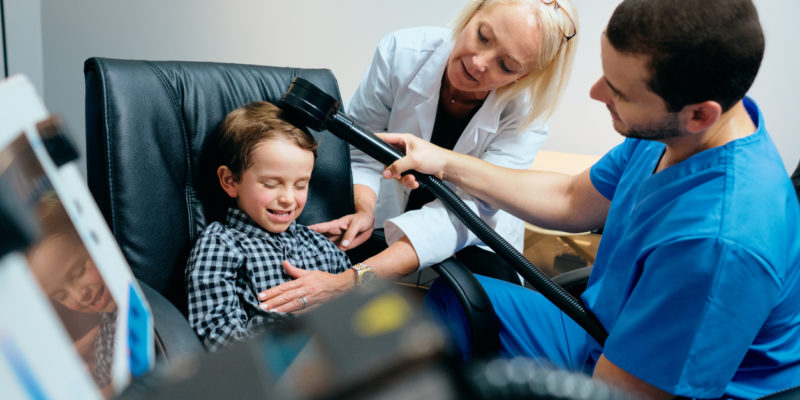
While many aspects of a child’s growth are visible to parents, the development of the nervous system requires specialized oversight. Pediatric neurology focuses on diagnosing and treating disorders that affect the brain, spinal cord, nerves, and muscles in young patients. This medical field addresses conditions like epilepsy or cerebral palsy, and it plays a primary role in identifying autism spectrum disorder early in life. Here is more information about the role of this field of medicine:
Evaluating Skills
A pediatric neurologist evaluates gross motor skills, such as walking or jumping, and fine motor skills, including grasping small objects or using utensils. Because development follows a sequential pattern, any significant delay in acquiring these physical abilities requires a thorough investigation by a specialist. These detailed evaluations determine if a child’s neurological pathways are maturing at the expected rate for their biological age.
Detecting Autism
Autism spectrum disorder presents a unique set of challenges that affect social interaction and communication styles. Symptoms may manifest early, but subtle signs might go unnoticed until social demands increase at school. If a child avoids eye contact or fails to engage in imaginative play, the neurologist evaluates these behaviors as potential indicators of autism.
Since no single medical test confirms autism, physicians rely on detailed behavioral history and direct observation to form a diagnosis. The specialist analyzes how the child communicates non-verbally through gestures and facial expressions during the appointment. Some children may show intense interest in specific topics, or react strongly to sensory inputs such as loud noises or bright lights.
Early detection allows for prompt implementation of supportive therapies, and this timing influences the child’s long-term developmental outcomes. While every case differs, screening tools help the doctor distinguish between temporary delays and permanent conditions. Accurate identification provides a clear framework for understanding the child’s specific needs and strengths.
Managing Conditions
Beyond diagnostics, pediatric neurologists manage ongoing neurological issues such as chronic migraines, sleep disorders, and movement changes. Treatment plans involve interventions to control seizures, but they also incorporate physical therapy referrals to improve muscle tone. When a condition requires care, the neurologist coordinates with speech therapists and psychologists to support the patient’s growth.
Because children grow rapidly, their needs and medication dosages change throughout their early years. Regular follow-up appointments track the efficacy of current treatments against the child’s growth. The doctor monitors for potential side effects, and they adjust the therapeutic approach to maximize the child’s daily function and comfort.
Performing Diagnostics
Clinical observation provides a diagnosis, yet advanced technological tools help to confirm the specific cause of a disorder. If the physical exam suggests a structural anomaly or electrical imbalance, the specialist orders non-invasive imaging or monitoring tests immediately. Standard diagnostic procedures utilized in this field include the following assessments:
- EEG studies
- MRI scans
- DNA testing panels
- Blood screenings
Get Evaluated for Autism
Seeking answers regarding a child’s developmental progress eliminates uncertainty and initiates the necessary support systems. Contact a clinic to schedule a consultation with a pediatric neurologist and take the first step toward understanding your child’s health. Because early intervention yields ideal results, acting now provides your child with the resources required for their future success.
- How To Enhance Your Quality of Life With Low Testosterone Treatment
- The Role of Pediatric Neurology in Monitoring Childhood Development
- Finding the Right Pain Doctor for Your Specific Needs
- Tips for Maintaining Physical Wellness During Prenatal Care
- Identifying Triggers and Finding Relief for Allergies
