
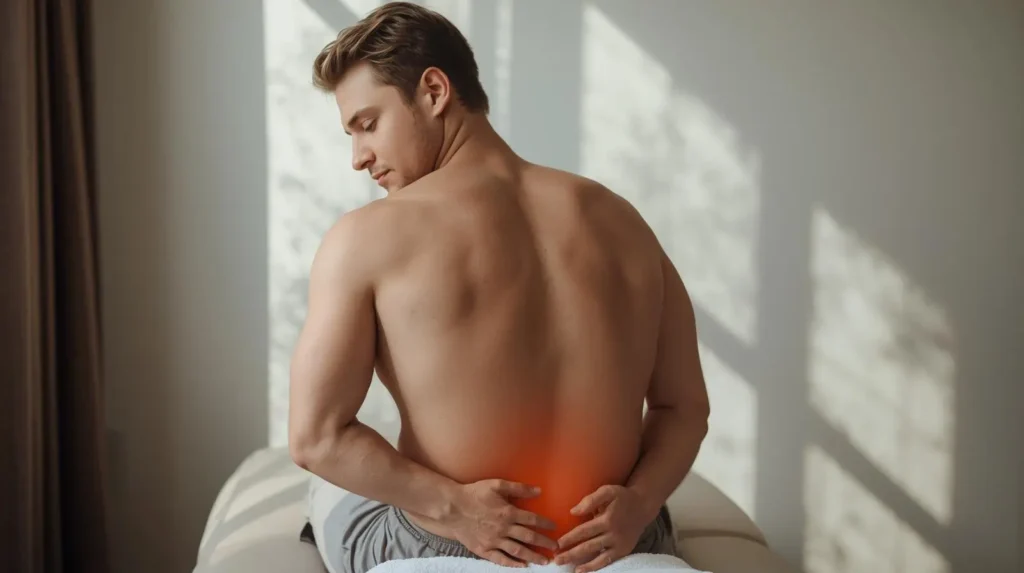
Hemorrhoids affect millions of people, causing discomfort that can interfere with daily activities. While many medical interventions exist, diet plays a significant role in both prevention and treatment. Understanding how dietary choices affect hemorrhoid symptoms helps you manage the condition more effectively and reduce the likelihood of recurrence. Here is more information on hemorrhoid treatment:
What Are Hemorrhoids?
Hemorrhoids are swollen veins in the lower rectum and anus. They either develop internally within the rectum or externally under the skin around the anus, and both types can cause discomfort. Internal hemorrhoids sometimes bleed during bowel movements, while external hemorrhoids can be felt as lumps near the anal opening. Seeking proper hemorrhoid treatment helps alleviate symptoms and prevent complications.
What Causes Them?
Several factors contribute to the development of hemorrhoids. Straining during bowel movements puts excessive pressure on the veins in the rectal area, and this pressure increases when constipation is present. Sitting for prolonged periods, particularly on the toilet, also contributes to vein swelling. Pregnancy, obesity, and aging can weaken the tissues supporting the veins in the rectum and anus, making hemorrhoids more likely to develop.
What Are the Symptoms?
Symptoms vary depending on whether hemorrhoids are internal or external. Internal hemorrhoids typically cause painless rectal bleeding during bowel movements, and patients may notice bright red blood on toilet paper or in the toilet bowl. External hemorrhoids cause pain, itching, and swelling around the anal area, making sitting and moving uncomfortable.
Prolapsed hemorrhoids occur when internal hemorrhoids push through the anal opening. This can cause additional pain and discomfort, and patients may feel a bulge near the anus. Thrombosed external hemorrhoids develop when a blood clot forms within the hemorrhoid, causing severe pain and a hard lump near the anus.
What Does Hemorrhoid Treatment Involve?
Treatment approaches depend on symptom severity. For mild cases, over-the-counter creams and ointments help reduce swelling and relieve discomfort. Sitz baths involve soaking the anal area in warm water several times daily, and they can provide relief and promote healing. Surgical removal may be required for large or severe hemorrhoids that don’t respond to other treatments.
What Role Does Diet Play?
Diet affects bowel movements and stool consistency, making it a key aspect of hemorrhoid management. Consuming adequate fiber softens stool and adds bulk, and this makes bowel movements easier and reduces straining. The recommended daily fiber intake is 25 to 38 grams.
Soluble fiber absorbs water, and it forms a gel-like substance that softens stool. Foods rich in soluble fiber include oats, beans, apples, and carrots, and incorporating these into meals can improve digestive regularity. Insoluble fiber adds bulk to stool and helps food move through the digestive system more quickly. Whole grains, nuts, seeds, and vegetables like broccoli and cauliflower provide this type of fiber.
Adequate hydration works alongside fiber to prevent constipation. Drinking eight glasses of water daily helps fiber keep stool soft and easier to pass. Dehydration hardens stool, and this may increase straining during bowel movements and worsen hemorrhoid symptoms. Consulting a specialist helps determine what lifestyle changes to make to alleviate symptoms.
Seek Treatment Today
Diet modifications offer a practical and effective approach to managing hemorrhoids. By increasing fiber intake, staying hydrated, and avoiding foods that aggravate symptoms, you can reduce discomfort and support healing. If dietary changes don’t provide adequate relief, consult a healthcare provider and explore additional hemorrhoid treatment options tailored to your specific needs.
