
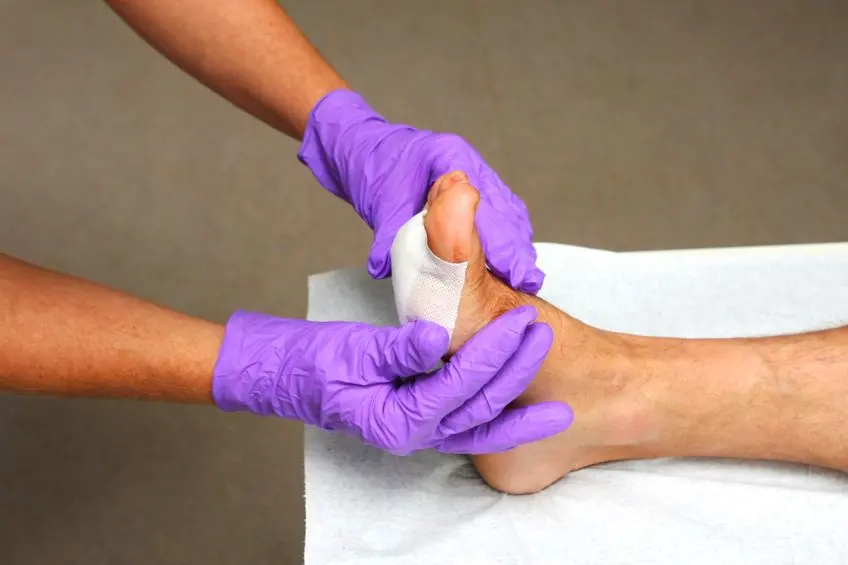
Diabetic wound care is fundamental for protecting foot health because diabetes can reduce circulation and nerve sensation. This makes it harder for the body to heal and easier for minor injuries to go unnoticed. Small cuts, blisters, or pressure points can progress into serious wounds without early attention and proper management. Here’s more information on the need for diabetic wound care for foot health:
Understanding Why Wounds Worsen
Foot wounds in diabetic patients often progress rapidly due to two primary factors: peripheral neuropathy and peripheral arterial disease. Peripheral neuropathy causes nerve damage, resulting in loss of sensation in the feet. When a person cannot feel pain, they may not notice a cut, blister, or ulcer until it has already become infected. This lack of sensation delays necessary treatment, allowing the wound to worsen unnoticed.
High blood sugar levels can damage blood vessels, leading to their hardening and narrowing. This restricts the flow of oxygen-rich blood to the legs and feet. When circulation is poor, the body’s natural healing process slows down significantly. A minor injury that will heal quickly in a healthy individual can linger and become a chronic ulcer in a diabetic patient.
Exploring Diabetic Wound Management
Effective diabetic wound care requires a comprehensive medical approach to make sure the wound heals properly and infection is controlled. Here are some of the strategies specialists use to care for diabetic wounds:
- Debridement: This process involves the removal of dead or infected tissue from the wound to promote the growth of healthy tissue.
- Off-loading: Physicians often use special casts, boots, or shoes to take pressure off the ulcer, which allows it to heal without constant irritation.
- Infection Control: This step may include oral antibiotics or topical treatments to fight bacteria and prevent the infection from spreading to the bone.
- Vascular Assessment: Doctors evaluate blood flow to determine whether circulation is sufficient for healing or if vascular procedures are necessary.
- Advanced Dressings: Specialized bandages are applied to maintain the appropriate moisture balance, aiding the healing process.
Professional care addresses the root causes of the wound rather than just covering the surface.
Protecting the Feet Long-Term
Engaging in professional diabetic wound care is fundamental for preserving the long-term health and function of the feet. It prevents the escalation of infection; if an infection spreads to the bone or causes tissue death, the risk of amputation increases significantly. Proper wound care helps maintain mobility; chronic foot ulcers can be painful and debilitating, making it difficult to walk or exercise. Healing these wounds can help patients remain active, supporting overall cardiovascular health. These appointments provide an opportunity for doctors to detect other developing issues, such as new pressure points or changes in skin integrity.
Seeking Professional Care
Recognizing the early signs of a problem is key to preventing severe complications. You should contact a medical professional immediately if you notice any specific changes in your feet, including the following:
- Signs of Infection: Look for redness, warmth, swelling, or pus around a break in the skin.
- Changes in Sensation: Be aware of any new numbness, tingling, or burning sensations in your feet or legs.
- Skin Discoloration: Pay attention to any black, blue, or red areas that do not go away.
- Slow Healing: Seek help if a cut, blister, or sore has not started to heal after a few days.
Acting quickly when these symptoms appear can make the difference between a recovery and a complex medical emergency.
Schedule Your Diabetic Wound Care Appointment
Diabetic wound care is a fundamental component of diabetes management and long-term health. Understanding why wounds worsen, what professional treatment entails, and when to seek help can help patients protect their feet from serious complications. Contact a qualified foot and ankle doctor near you to schedule your diabetic wound management appointment today.
- The Need for Diabetic Wound Care for Foot Health
- How Natural-looking Breast Augmentation Results Are Achieved
- Understanding the Different Specializations of Orthopedic Surgeons
- Understanding the Costs and Insurance Coverage for Pain Clinic Services
- Building a Foundation for Lifelong Health with Preventive Care
